

J&S Air Quality Experts
How Is Mold Testing Done? Methods, Tools, and What to Expect
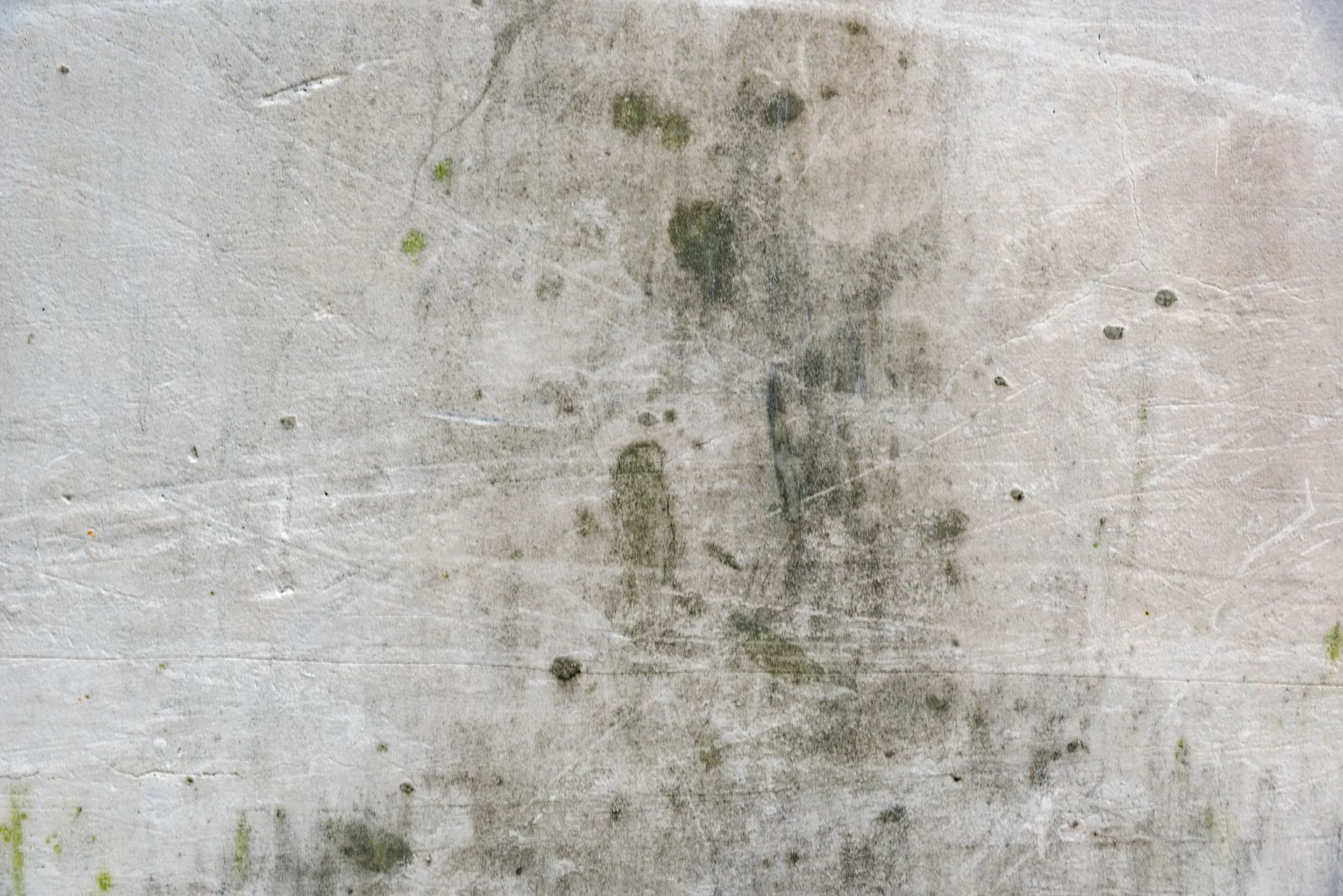
Mold is one of the most common indoor air quality concerns homeowners face, especially in warm, humid climates like Palm Bay, FL. When left untreated, mold growth can trigger health symptoms, damage property, and worsen indoor environmental conditions. That is why mold testing is such an important first step for identifying hidden contamination and understanding the safety of your home or business.
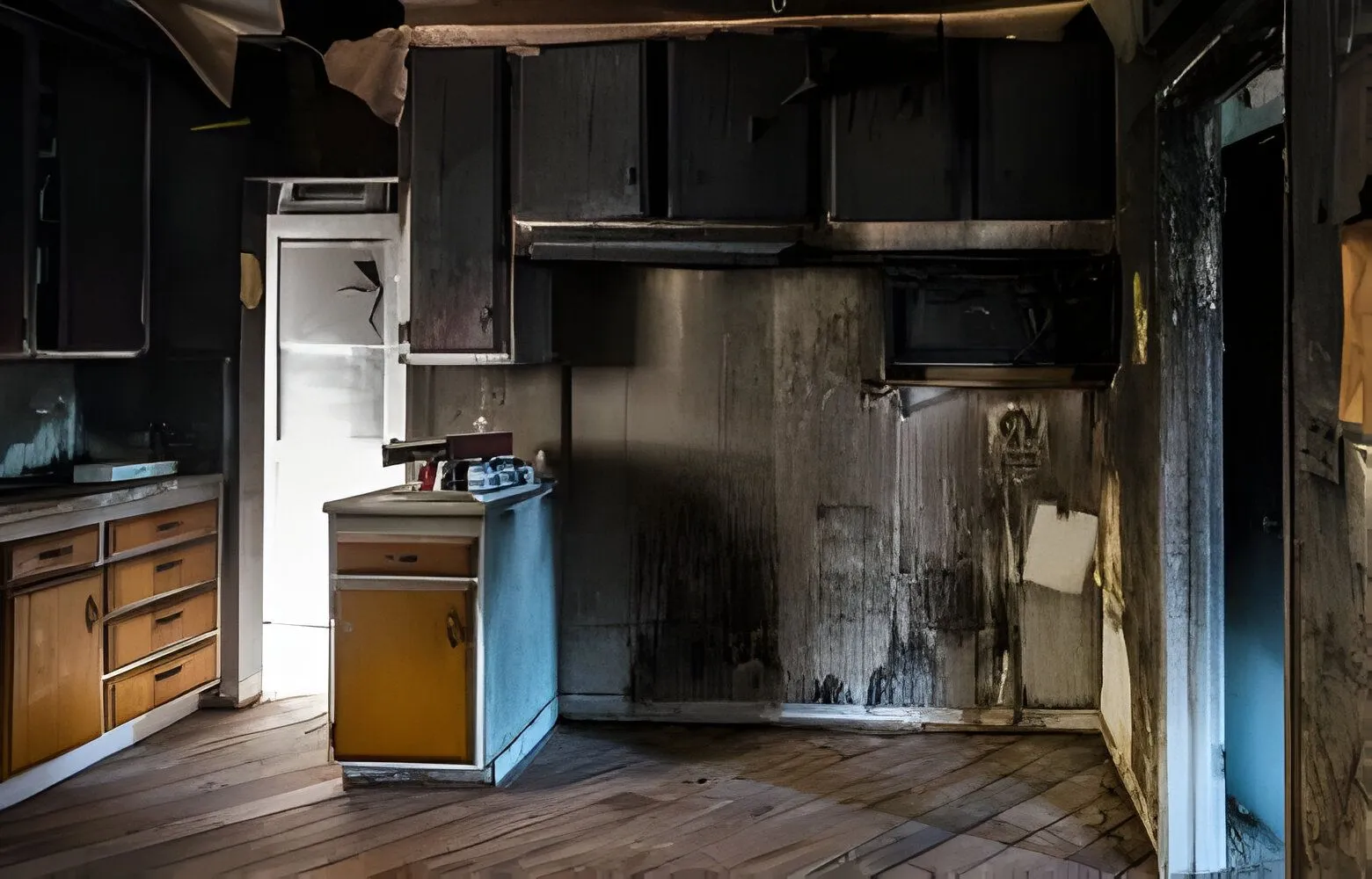
At J&S Air Quality Experts, we specialize in mold testing, water damage assessments, fire and smoke contamination testing, and comprehensive indoor air quality services. Below, we break down exactly how mold testing is done, what tools are used, the different testing methods available, and what you can expect during the inspection process.
Understanding the Purpose of Mold Testing
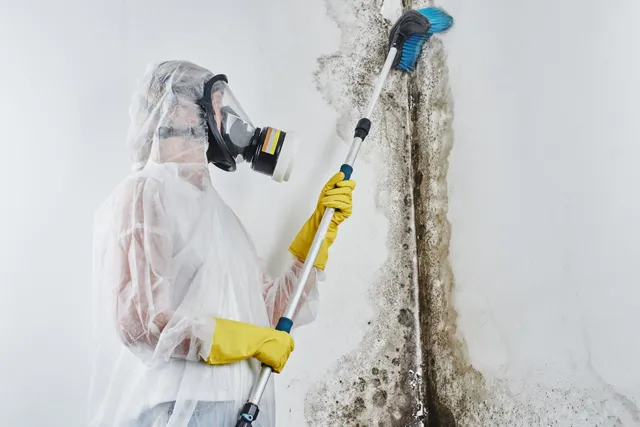
Mold testing is designed to do more than simply confirm whether mold is present. While visible mold growth is often easy to identify, what most property owners want to know is how severe the contamination is, whether airborne spores are circulating, and what type of mold is involved.
Professional mold testing helps determine:
- Whether elevated spore levels are present indoors
- The specific species or genera of mold
- Whether mold spores are airborne or settled
- How far mold contamination has spread
- Moisture sources contributing to mold growth
- The severity and potential health risks
This information is crucial for designing a safe and effective remediation plan. Without accurate testing, property owners may underestimate the extent of the problem or spend money on improper cleanup methods.
Visual Inspection: The First Step in Mold Testing
Every mold testing service begins with a thorough visual inspection. Although it may seem basic, this step is one of the most essential parts of the mold testing process.
During the inspection, a certified technician looks for:
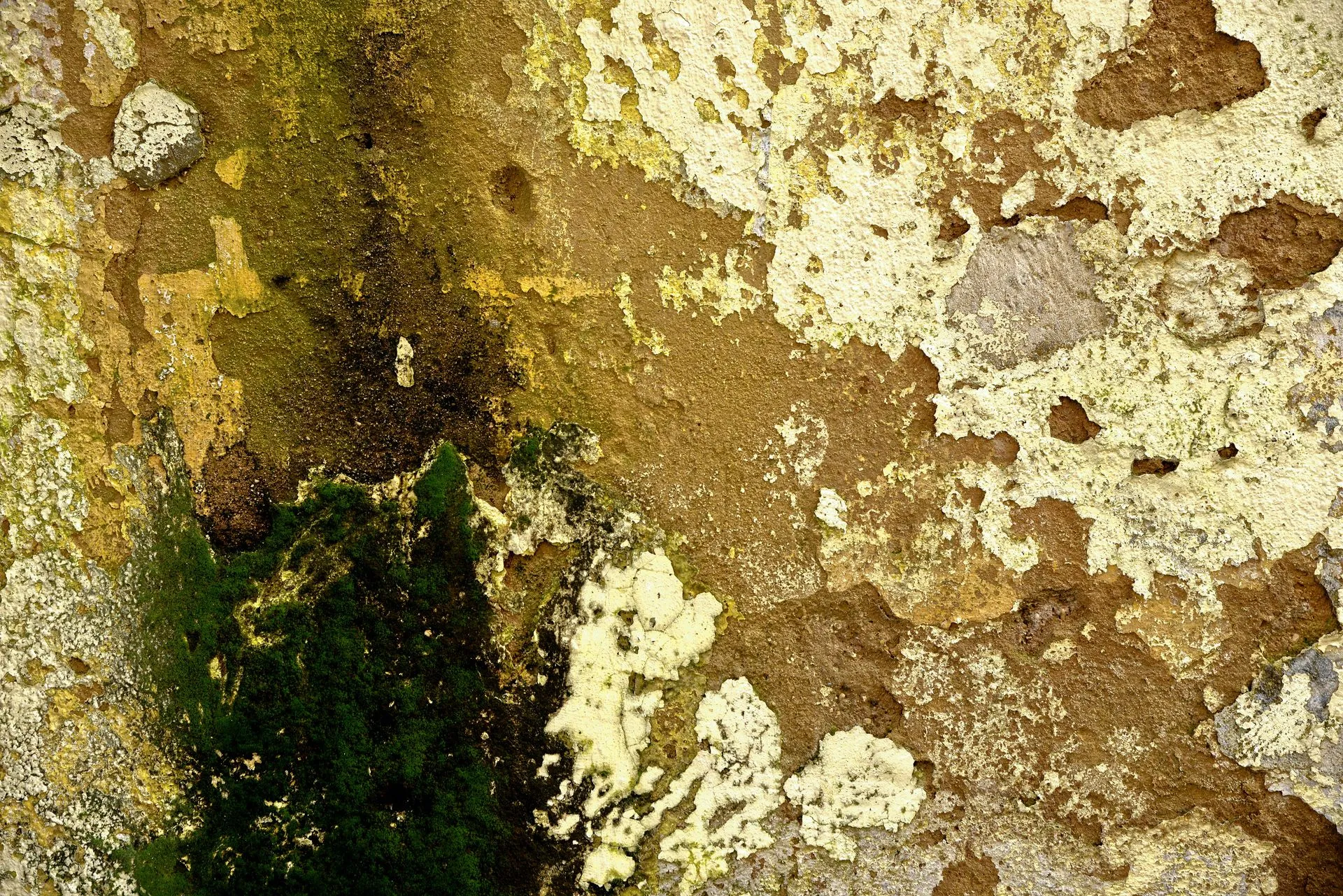
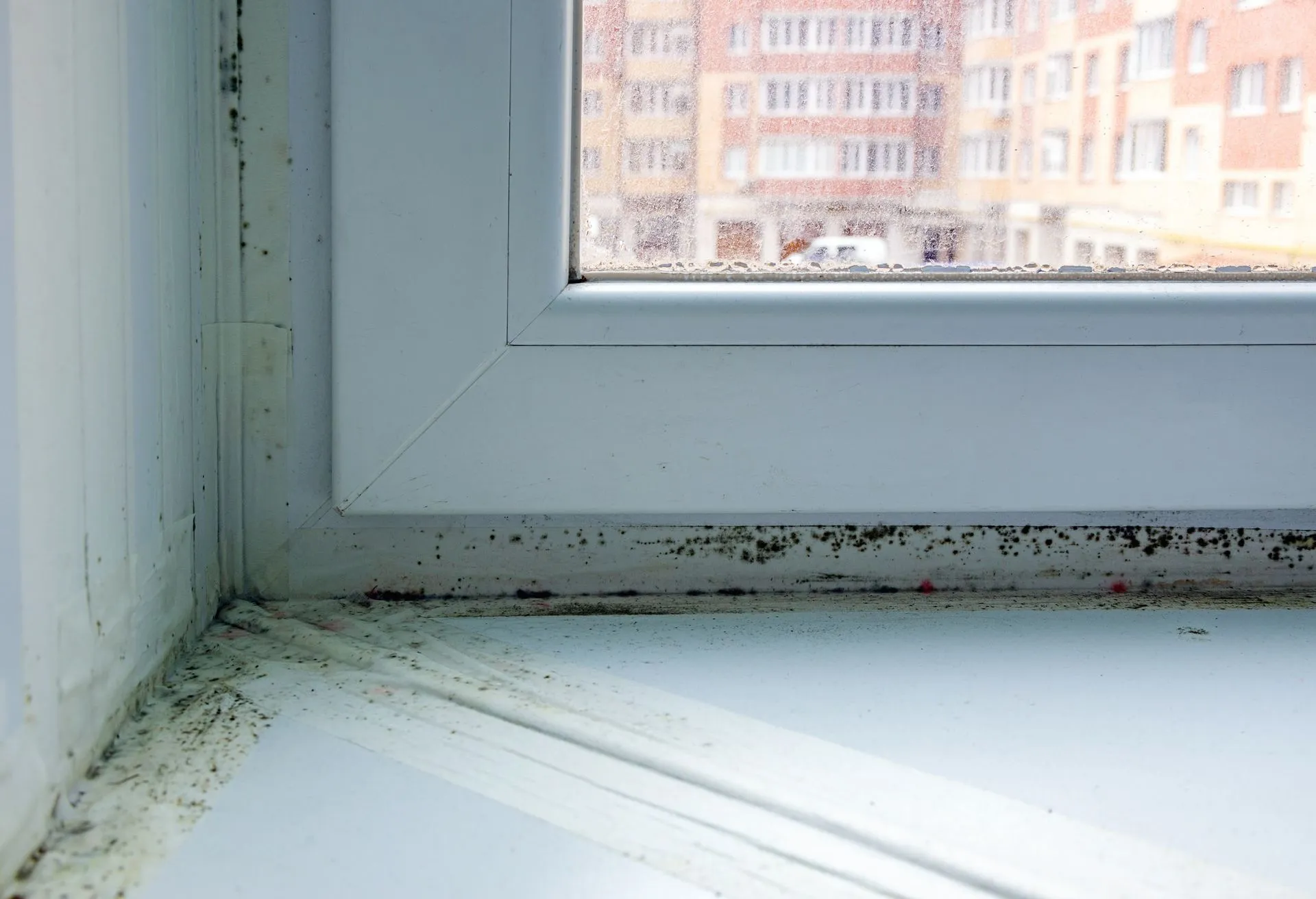
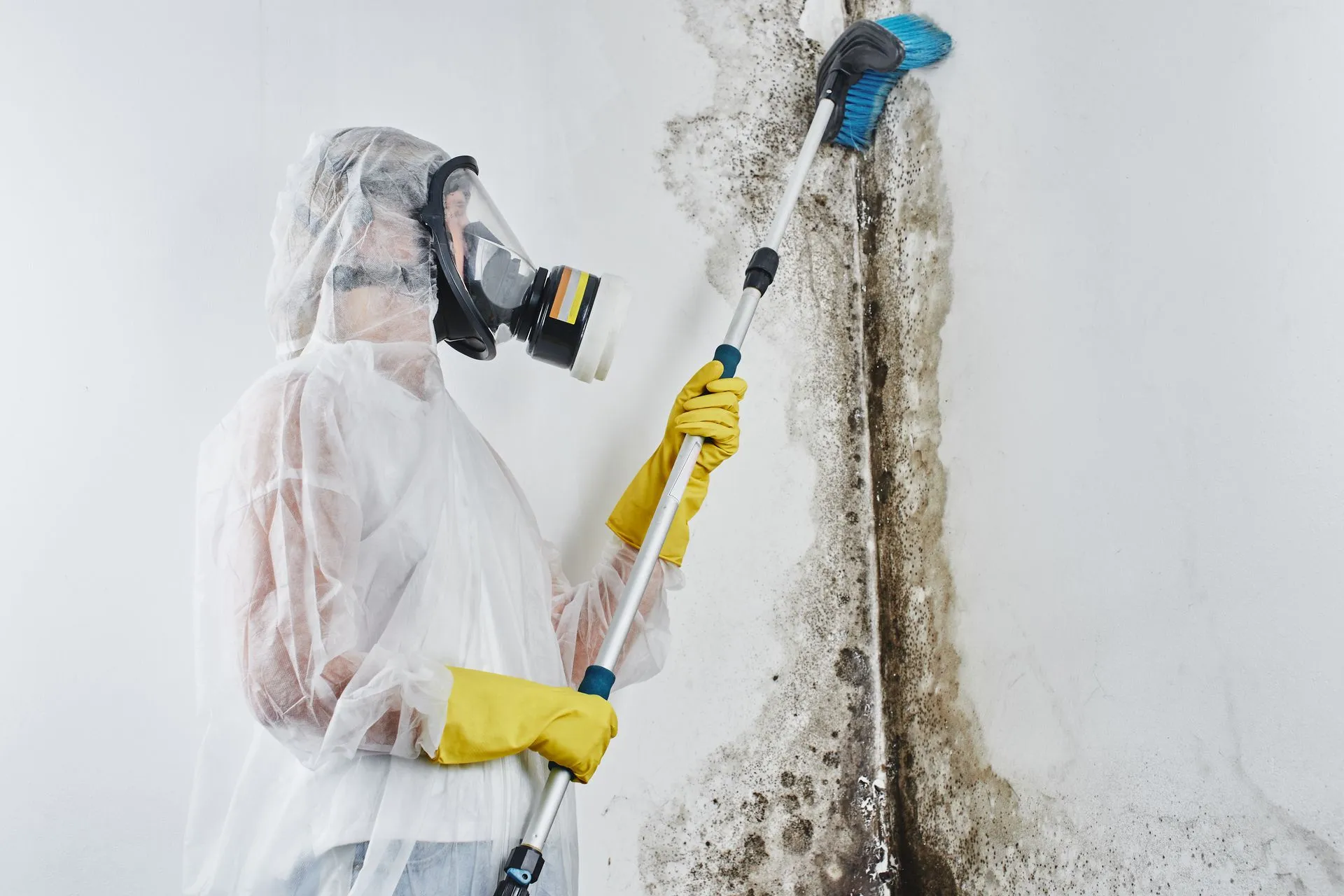
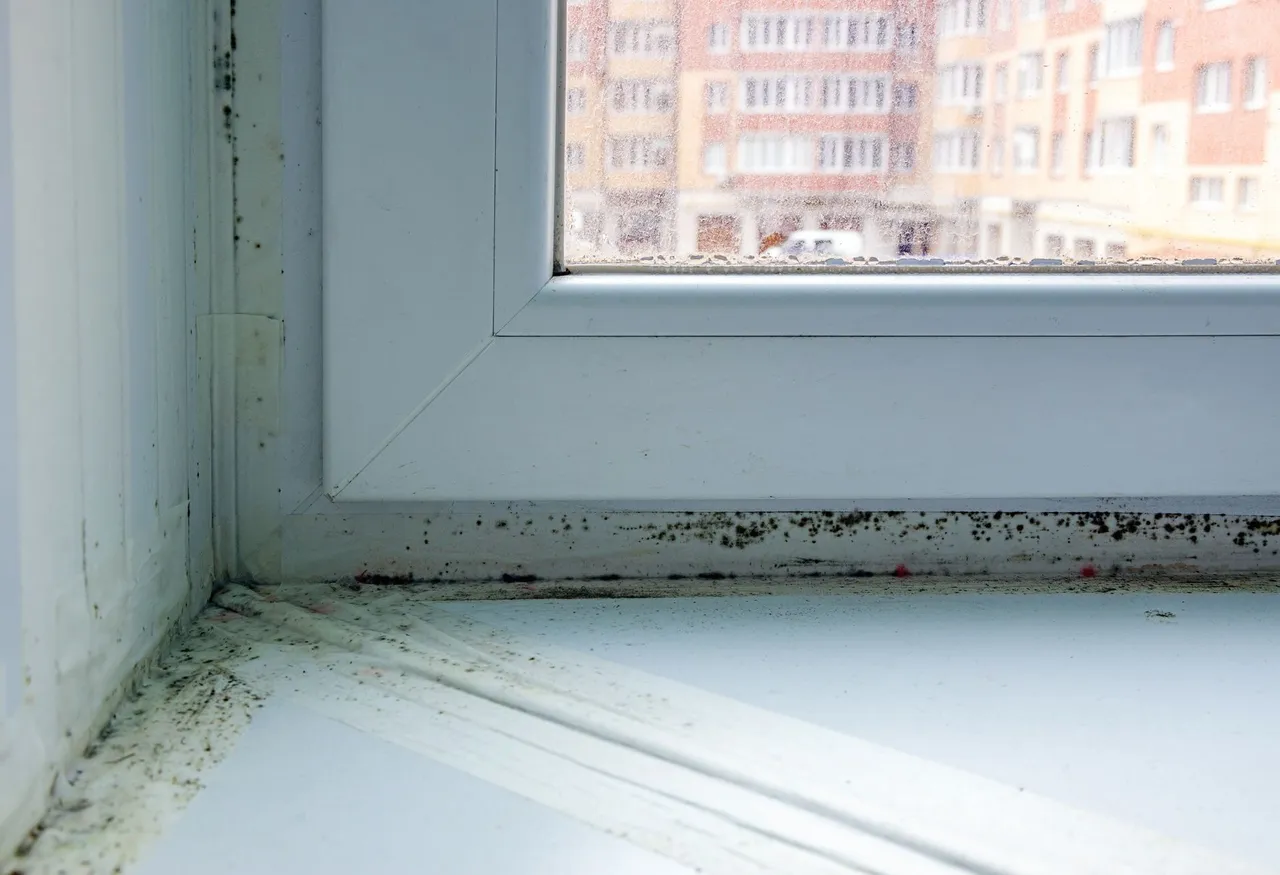
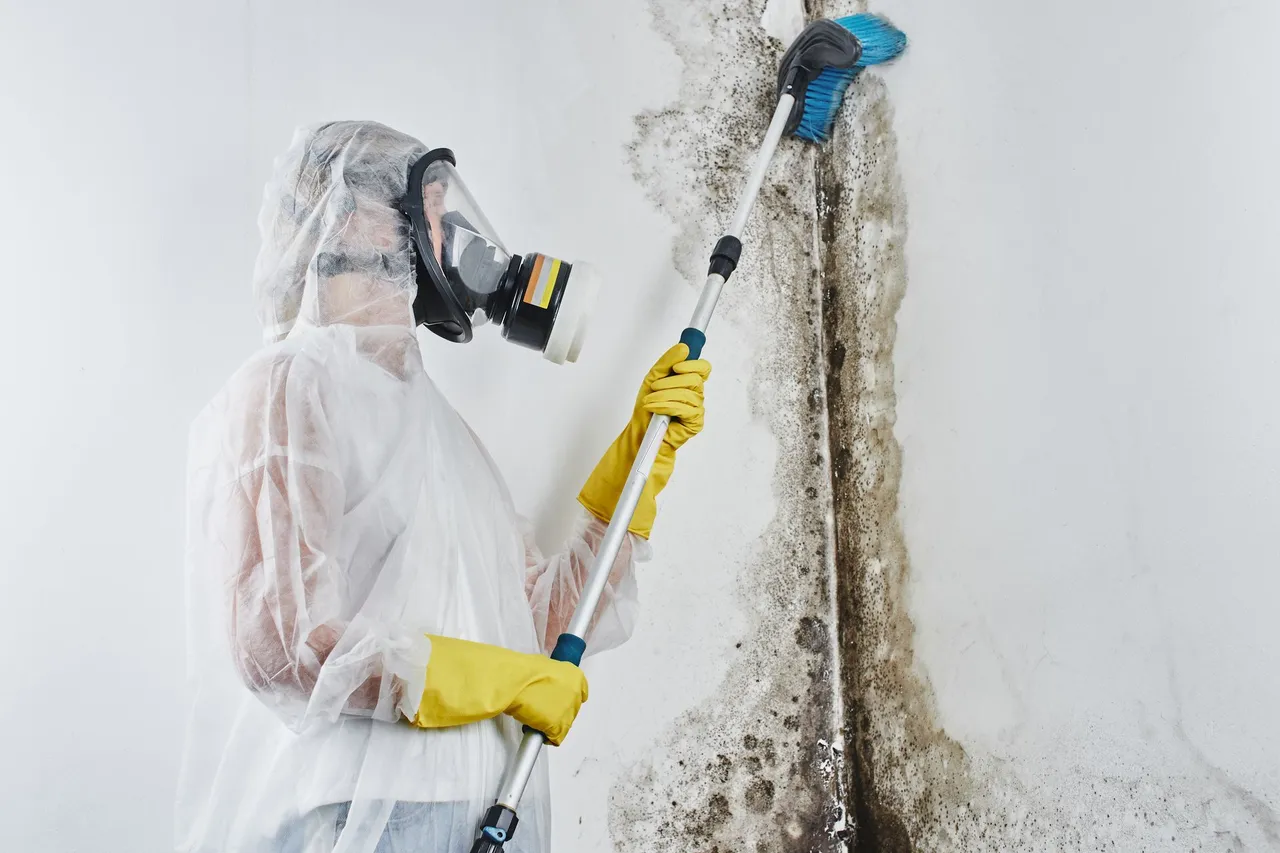
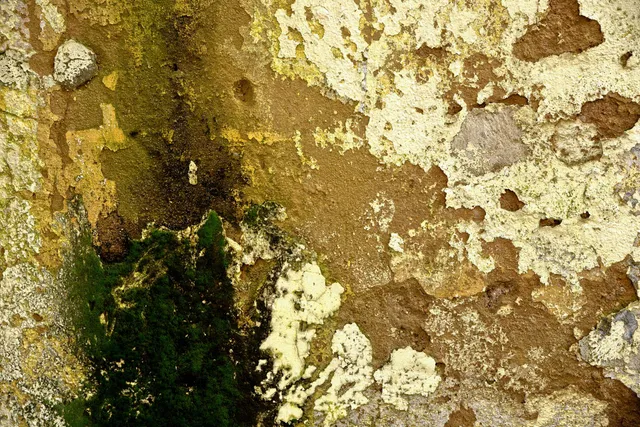
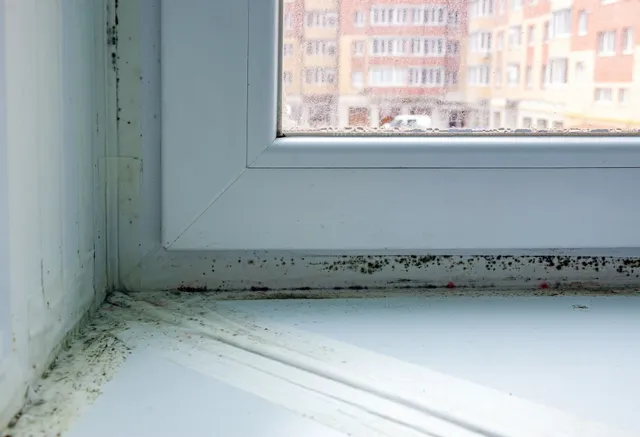
- Visible mold spots or growth
- Water damage or staining
- Leaks, plumbing issues, or roof problems
- Musty odors
- Areas with high humidity or condensation
- Poor ventilation or HVAC issues
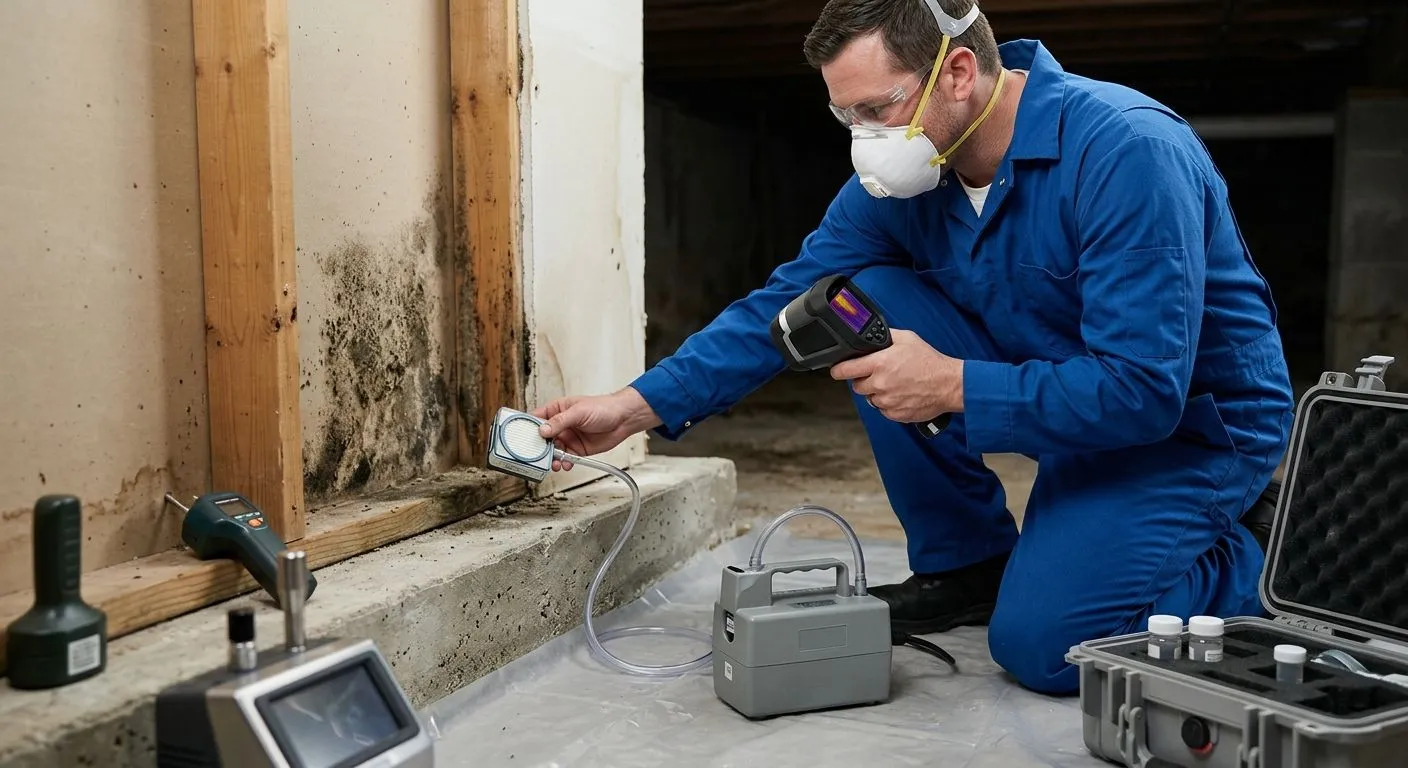
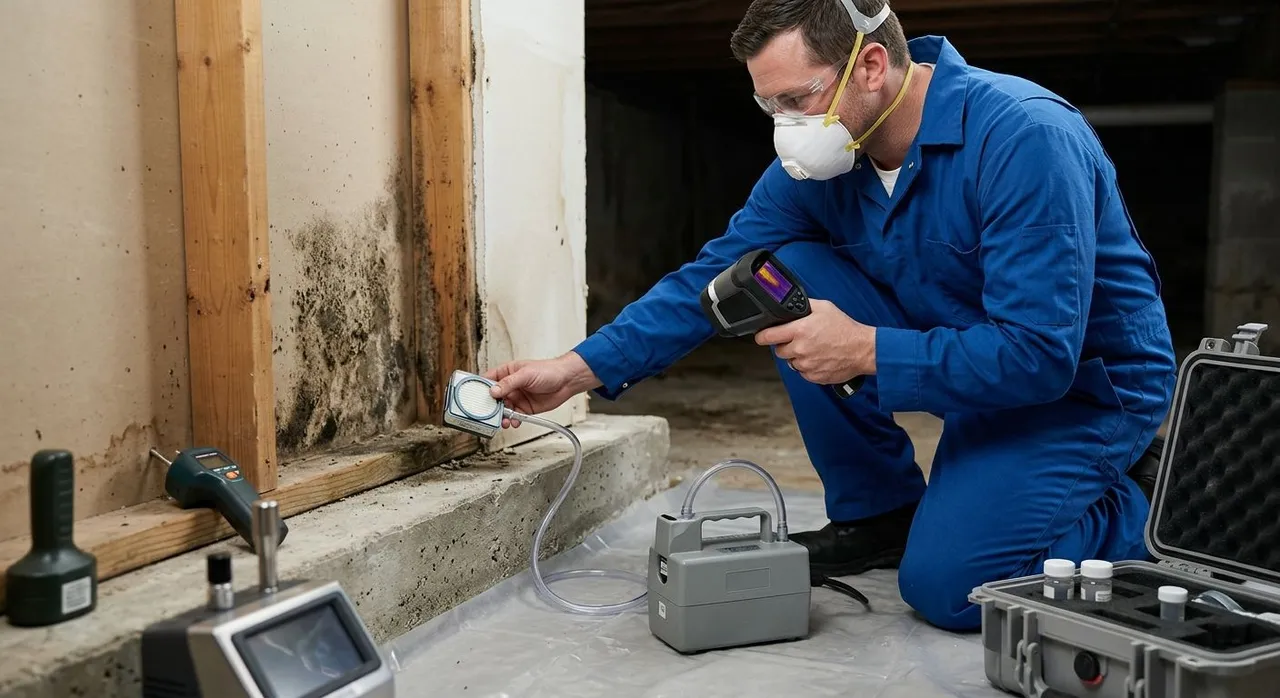
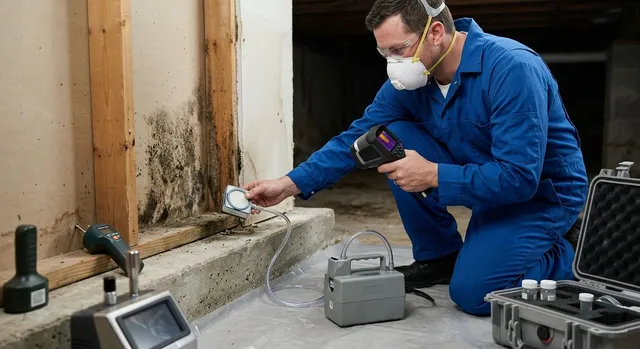
Mold can often grow behind walls, under flooring, in attics, or within HVAC systems. Professionals use tools such as flashlights, moisture meters, borescopes, and infrared cameras to detect hidden problem areas.
The visual inspection provides the foundation for determining which mold testing methods are necessary and where samples should be collected.
Types of Mold Testing Methods Used by Professionals
There are several proven mold testing methods available, and each one serves a specific purpose. Depending on the severity of the issue, mold specialists may use one or multiple testing strategies to get the most accurate picture of indoor air quality.
Air Sampling
Air sampling is one of the most common forms of mold testing. It measures the level of airborne mold spores present inside the property and compares it to outdoor levels.
There are two primary air sampling tools:
- Spore traps: Collect airborne mold spores on a sticky surface.
- Air pumps: Pull air through a cassette to trap spores for lab analysis.
Air sampling helps determine:
- Whether mold spores are elevated compared to outdoor air
- If hidden mold is present behind walls or in ventilation
- How far contamination has spread
The results provide a detailed breakdown of spore counts and types, helping technicians determine if the indoor air is safe.
Surface Sampling
Surface sampling is used when visible mold or suspected contamination appears on surfaces like walls, ceilings, furniture, or HVAC components.
Common techniques include:
- Swab testing: A cotton swab collects mold from a surface.
- Tape lifts: Clear tape is pressed onto the surface to capture spores.
- Bulk sampling: A small piece of material (drywall, carpet, insulation) is removed and tested.
Surface samples help identify the specific mold species and confirm whether a stain or spot is actually mold.
Air Quality and Humidity Testing
Because moisture is the primary trigger for mold growth, testing the indoor environment itself is critical. Mold specialists use:
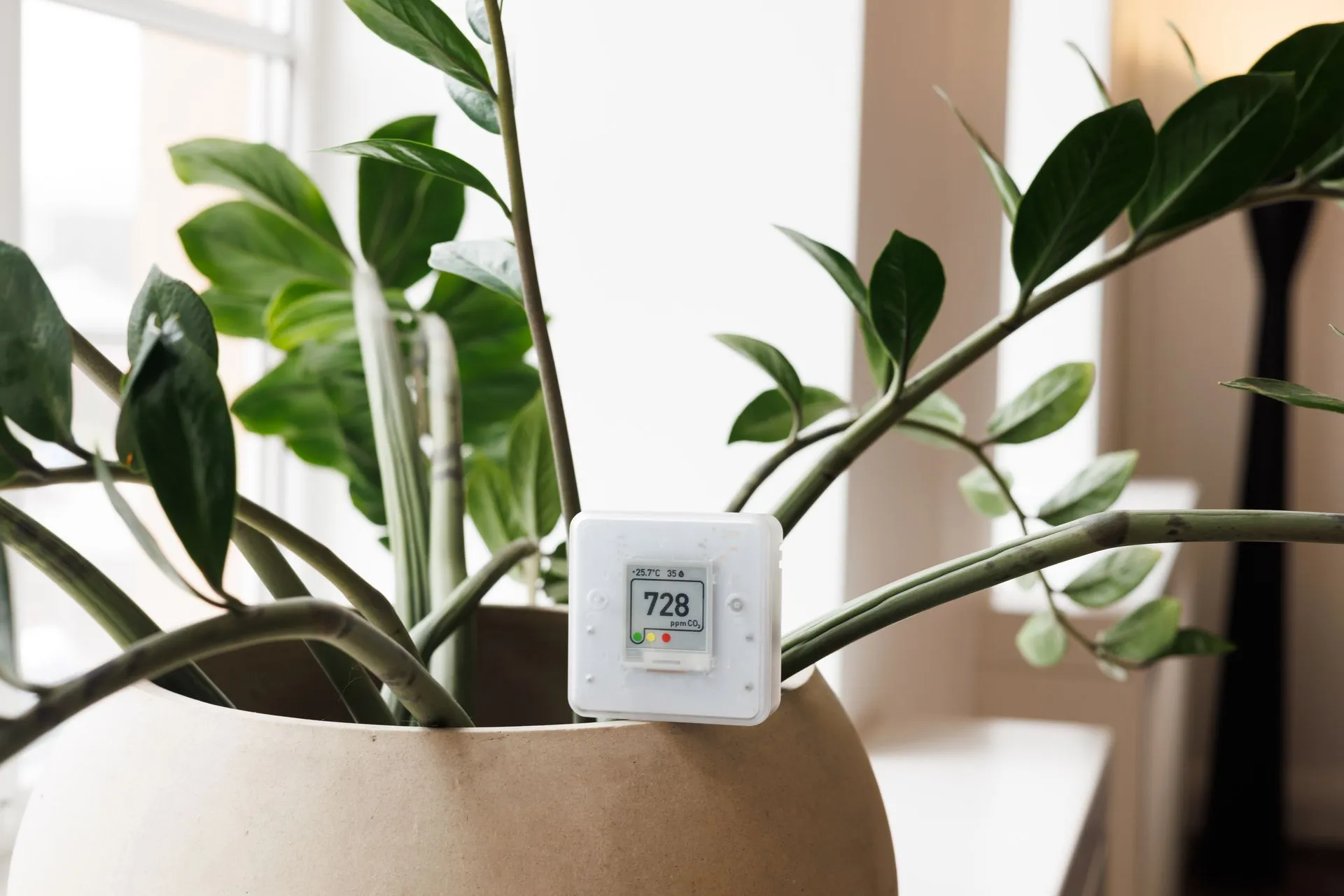
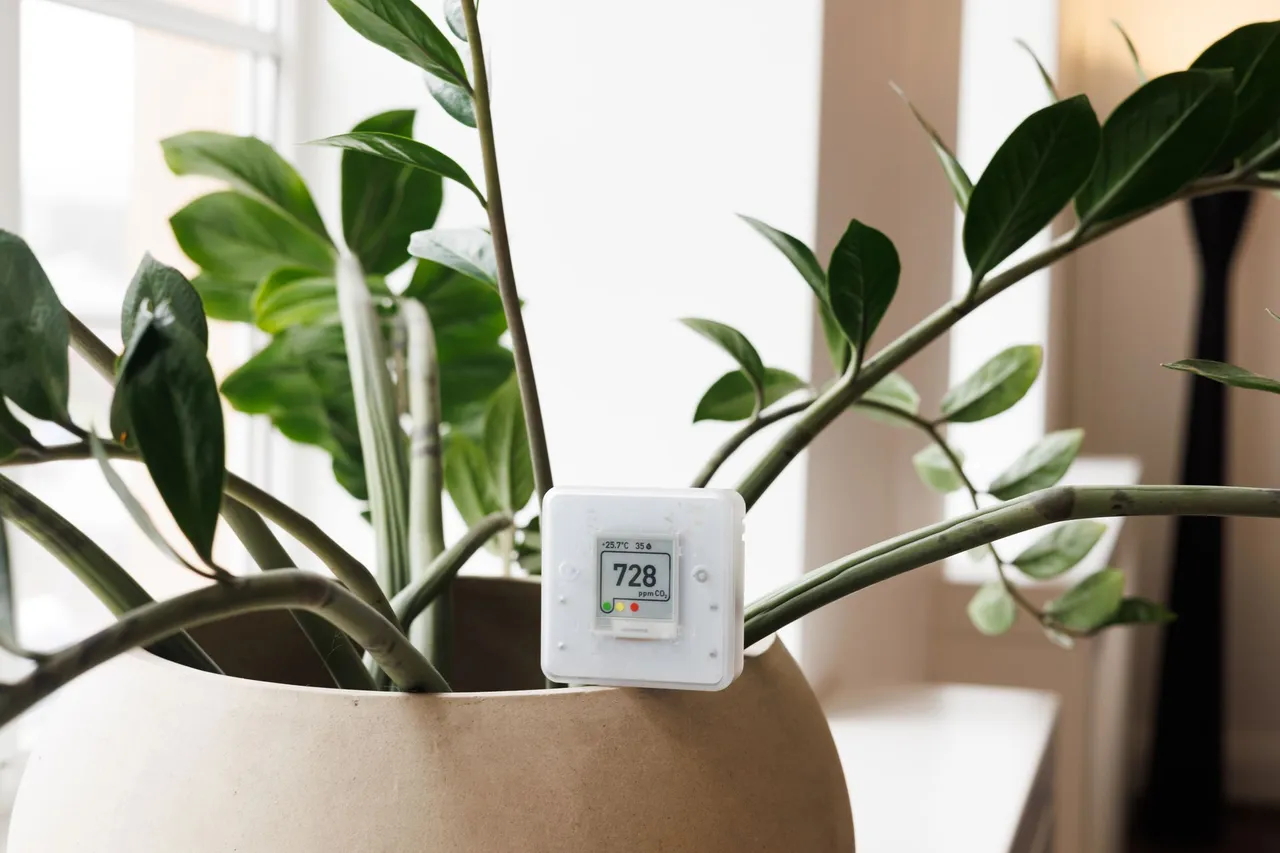
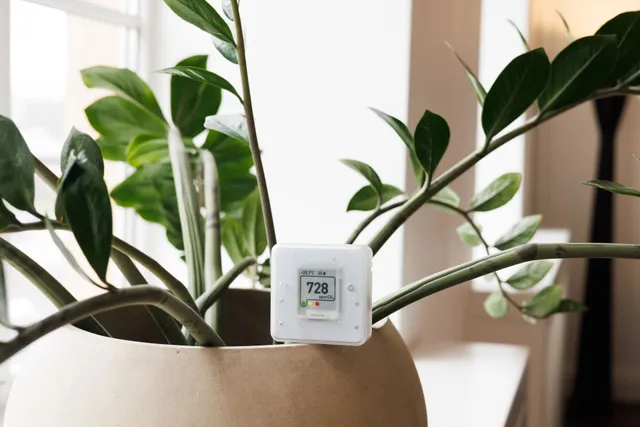
- Hygrometers to measure humidity
- Moisture meters to detect damp walls or flooring
- Thermo-hygrometers to analyze temperature and moisture patterns
These tests help determine the root cause of mold, which is essential for preventing future growth.
ERMI and Advanced Mold DNA Testing
For properties with complex contamination issues, ERMI testing (Environmental Relative Moldiness Index) may be used. This method analyzes dust samples using DNA-based technology to identify dozens of mold species.
ERMI testing is especially useful for:
- Chronic health-related mold concerns
- Post-remediation verification
- Homes with repeated mold issues
Although more advanced and detailed, ERMI results provide a clear picture of long-term mold exposure trends.
Tools Used During Mold Testing
Professional mold inspectors rely on advanced equipment to ensure accurate results. Some of the tools used by J&S Air Quality Experts include:
- Moisture meters: Detect moisture inside walls, ceilings, and flooring.
- Infrared cameras: Locate hidden leaks and temperature changes that indicate moisture.
- Air pumps and cassettes: Collect air samples for lab analysis.
- Borescopes: Provide visibility inside wall cavities or tight spaces.
- Hygrometers: Measure indoor humidity levels.
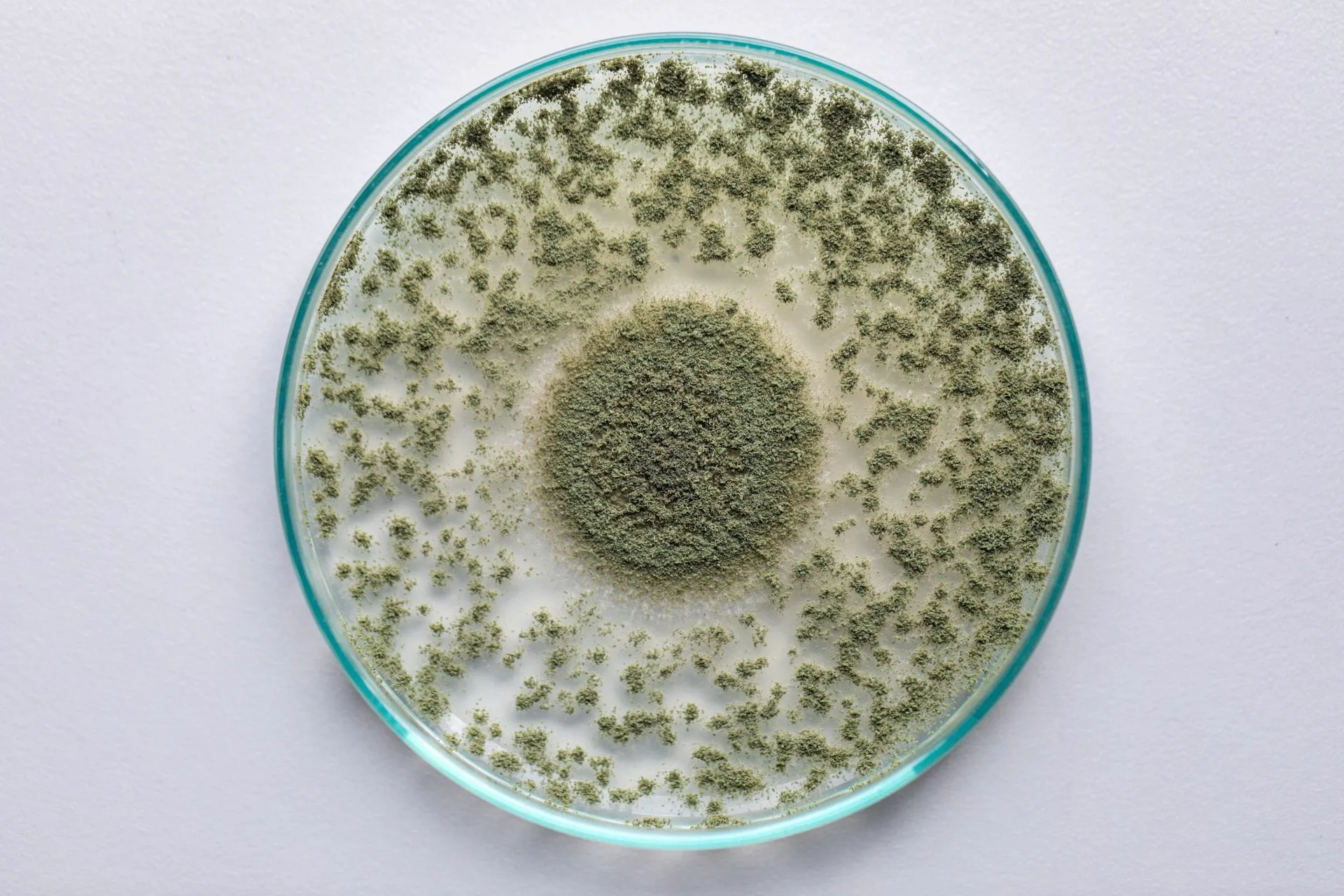
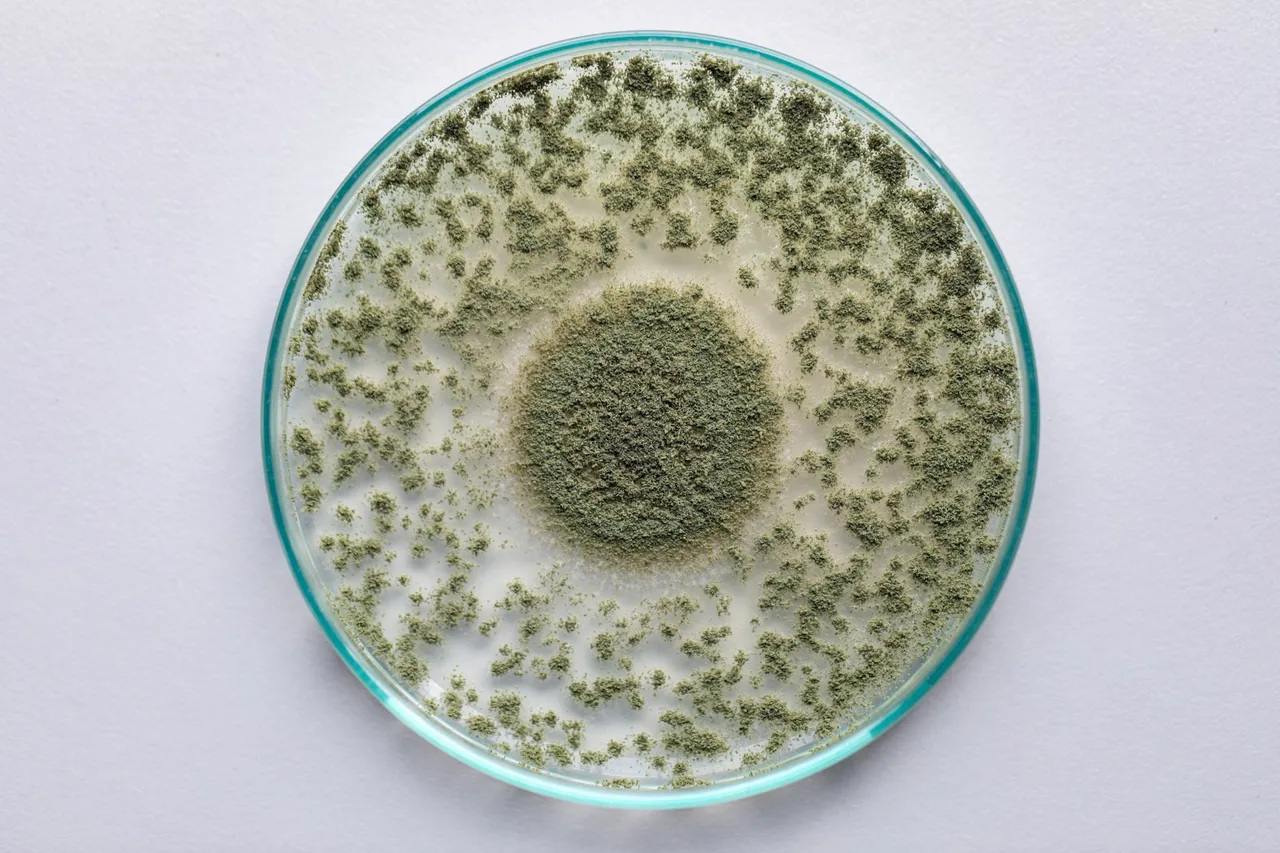
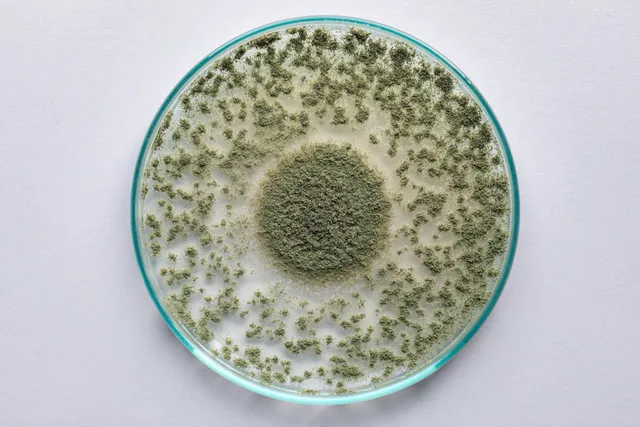
- Surface sampling kits: Swabs, tape lifts, and petri dishes.
Using professional-grade tools allows for more accurate and reliable findings than DIY mold kits, which are often misleading or incomplete.
What to Expect During a Mold Testing Appointment
If you’ve scheduled mold testing, here’s what the process typically involves:
1. Consultation and Discussion of Concerns
You’ll speak with a specialist about symptoms you’ve noticed, such as odors, allergies, leaks, or visible mold.
2. Detailed Visual Inspection
The technician inspects the entire property, including crawl spaces, attics, basements, air ducts, and common moisture areas.
3. Selection of Testing Methods
Based on findings, the appropriate mold testing methods are chosen. Most properties require a combination of air sampling and surface testing.
4. Sample Collection
Air and surface samples are collected carefully to avoid contamination. Each sample is labeled and prepared for lab submission.
5. Laboratory Analysis
Samples are sent to an accredited laboratory where mold spores are identified, counted, and analyzed.
6. Test Results and Recommendations
Within a short period, you’ll receive a detailed report outlining:
- Mold types found
- Spore count levels
- Contamination severity
- Areas affected
- Recommendations for remediation
The results empower you to take action and restore healthy indoor air quality.
Why Professional Mold Testing Matters
While DIY kits may seem convenient, they often deliver unclear or incomplete results. Professional mold testing offers:
- Accurate lab-based data
- Identification of mold species
- Detection of hidden or airborne contamination
- Insight into moisture problems
- Recommendations for proper remediation
Mold is not something to take lightly, especially in Florida’s humid climate. Professional testing offers security and preserves the health of your property and indoor air quality.
Contact J&S Air Quality Experts for Professional Mold Testing in Palm Bay, FL
If you suspect mold in your home or business, don’t wait for the problem to grow worse. At J&S Air Quality Experts in Palm Bay, FL, we provide accurate, reliable, and comprehensive mold testing designed to protect your safety and indoor air quality. Our specialists are trained to identify contamination, locate moisture sources, and guide you toward effective remediation solutions.
Call
(321) 557-3163 today for swift, professional
mold testing,
fire and smoke testing,
water and bacteria testing, and
indoor air quality testing. We're committed to keeping your indoor space safe and sound.
FAQs
How long does mold testing take?
Most mold testing appointments take between 60 and 90 minutes, depending on the size of the property and how many samples are needed.
Do I need mold testing if I can already see mold?
Yes. Visible mold is only part of the problem. Testing reveals how widespread the contamination is and whether spores are circulating in the air.
Will mold testing tell me what type of mold I have?
Yes. Laboratory analysis identifies the species and spore concentration, which helps determine the correct remediation method.
Are air samples always necessary?
Air samples are recommended in most cases because they show whether mold spores are airborne and help detect hidden contamination.
How soon will I receive mold testing results?
Most lab results are available within 24 to 72 hours, depending on the number of samples and analysis type.