

J&S Air Quality Experts
How Long Does Mold Testing Take? Step-by-Step Timeline Explained
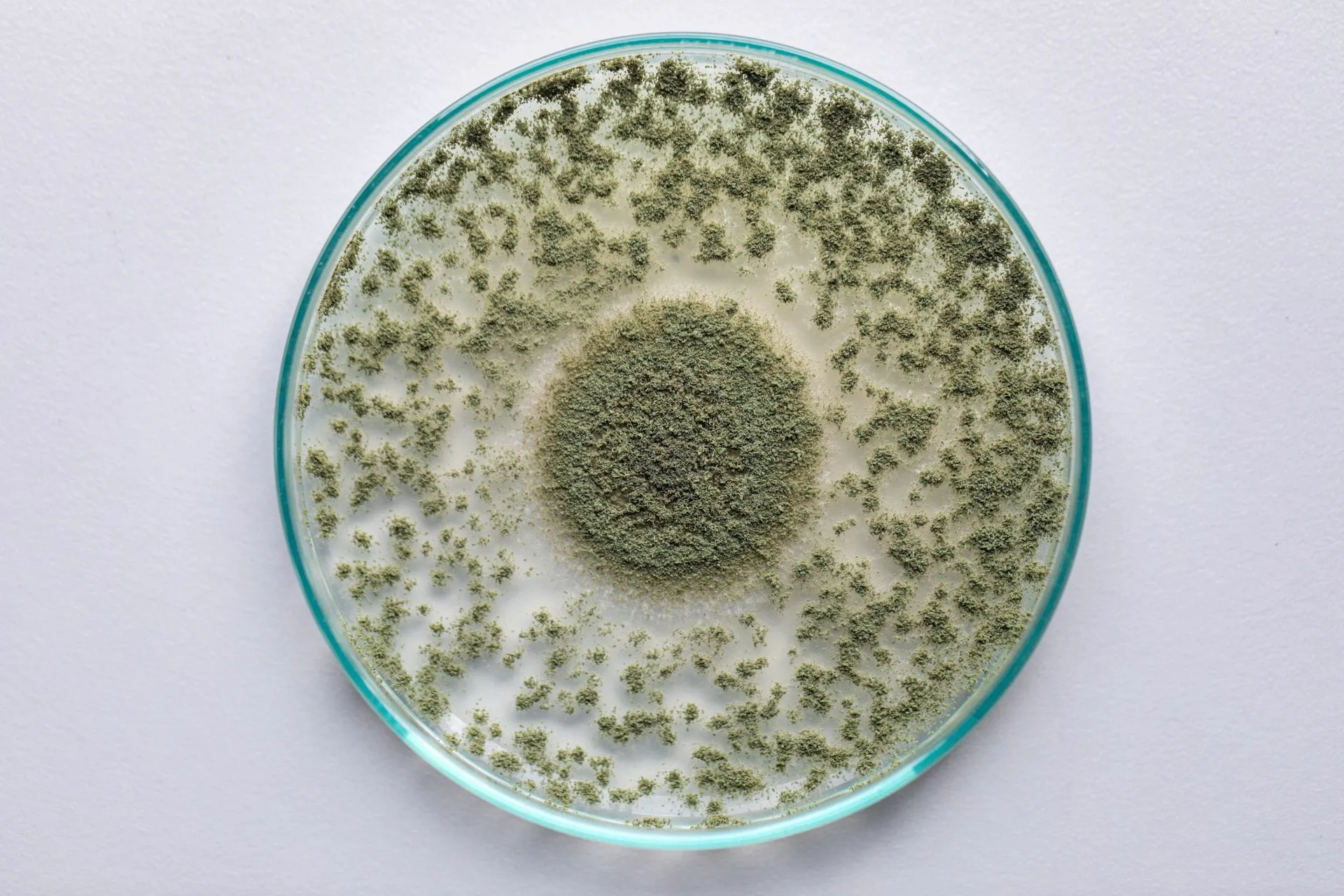
Mold is one of those home issues that can creep up on you without warning. You might notice a musty smell, some discoloration on walls, or unexplained allergy symptoms. But when it comes to finding out exactly what type of mold is present and how much there is, professional mold testing is the key.
One of the most common questions homeowners ask is: “How long does mold testing take?” The answer depends on several factors, including the size of your home, the type of testing performed, and whether lab analysis is required. Understanding the timeline can help you plan and reduce any stress associated with the process. Mold testing is generally non-invasive, quick, and informative, giving you the knowledge you need to protect your home and family.
Signs That You Might Need Mold Testing
Before scheduling mold testing, it helps to know when it might be necessary. Some signs are obvious, while others are subtle and easy to miss. Catching mold early is critical because it can spread quickly, particularly in humid climates like Palm Bay, FL.
Common indicators include:
- Musty Odors: A persistent damp smell often indicates hidden mold, even if you cannot see it.
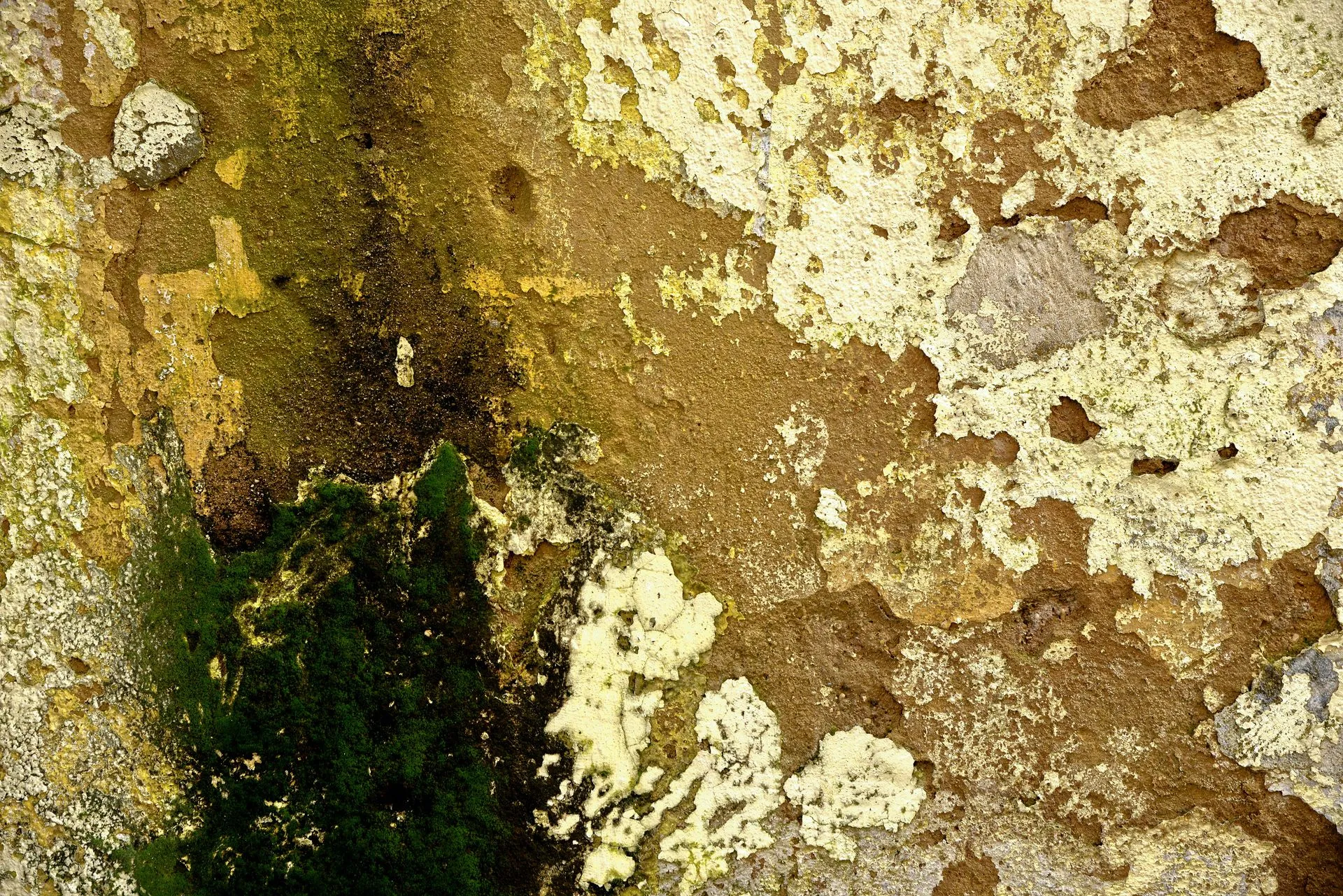
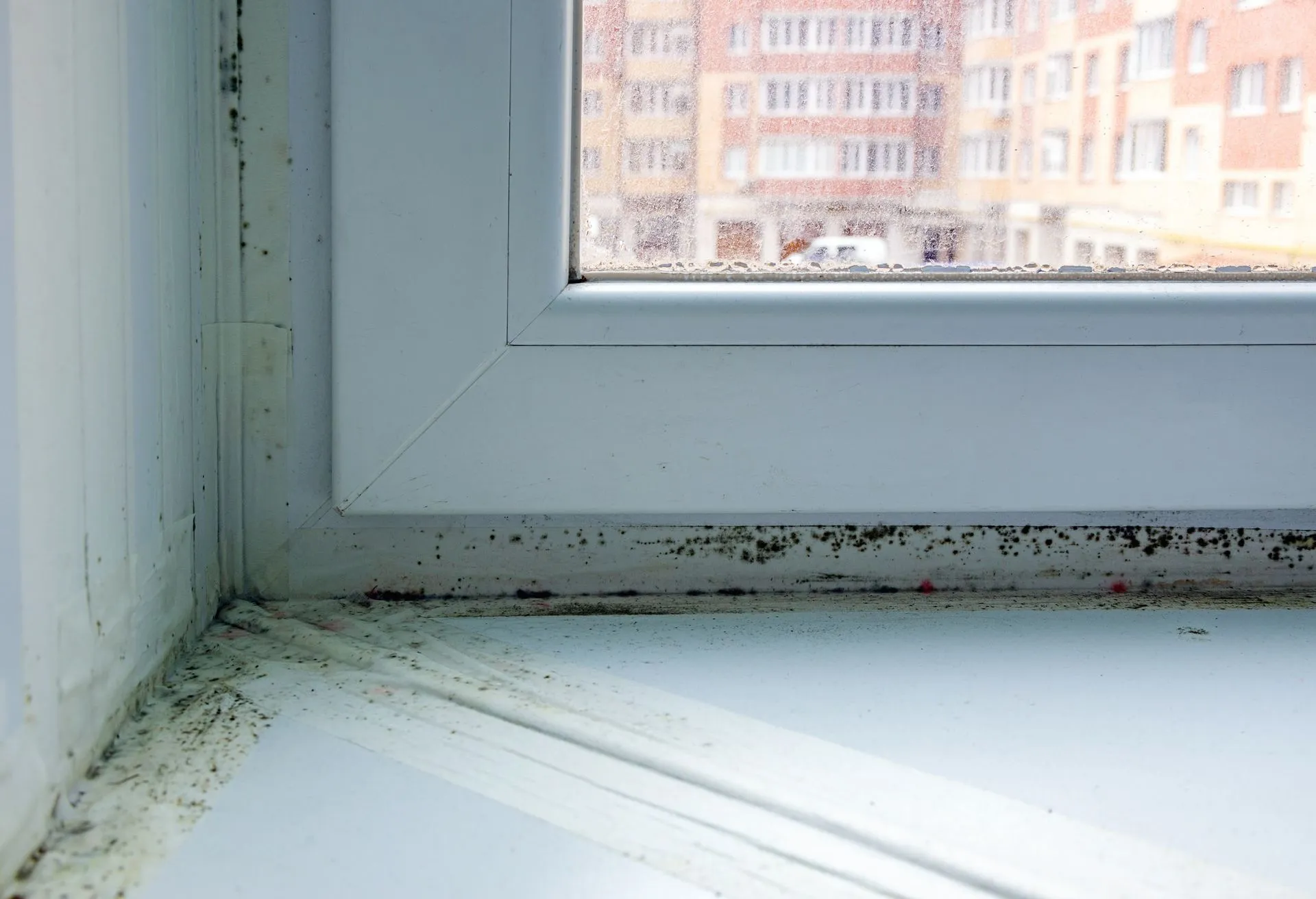
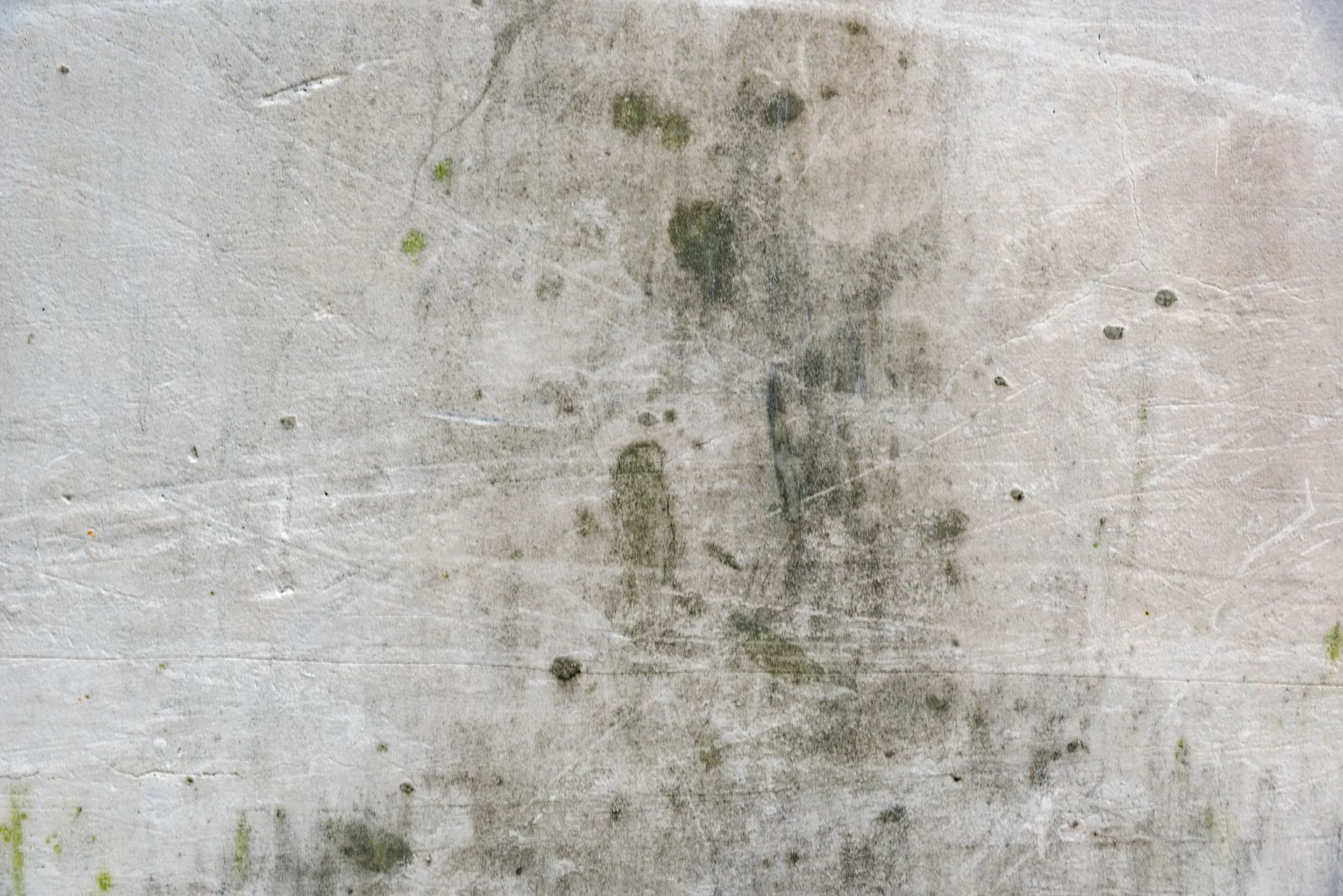
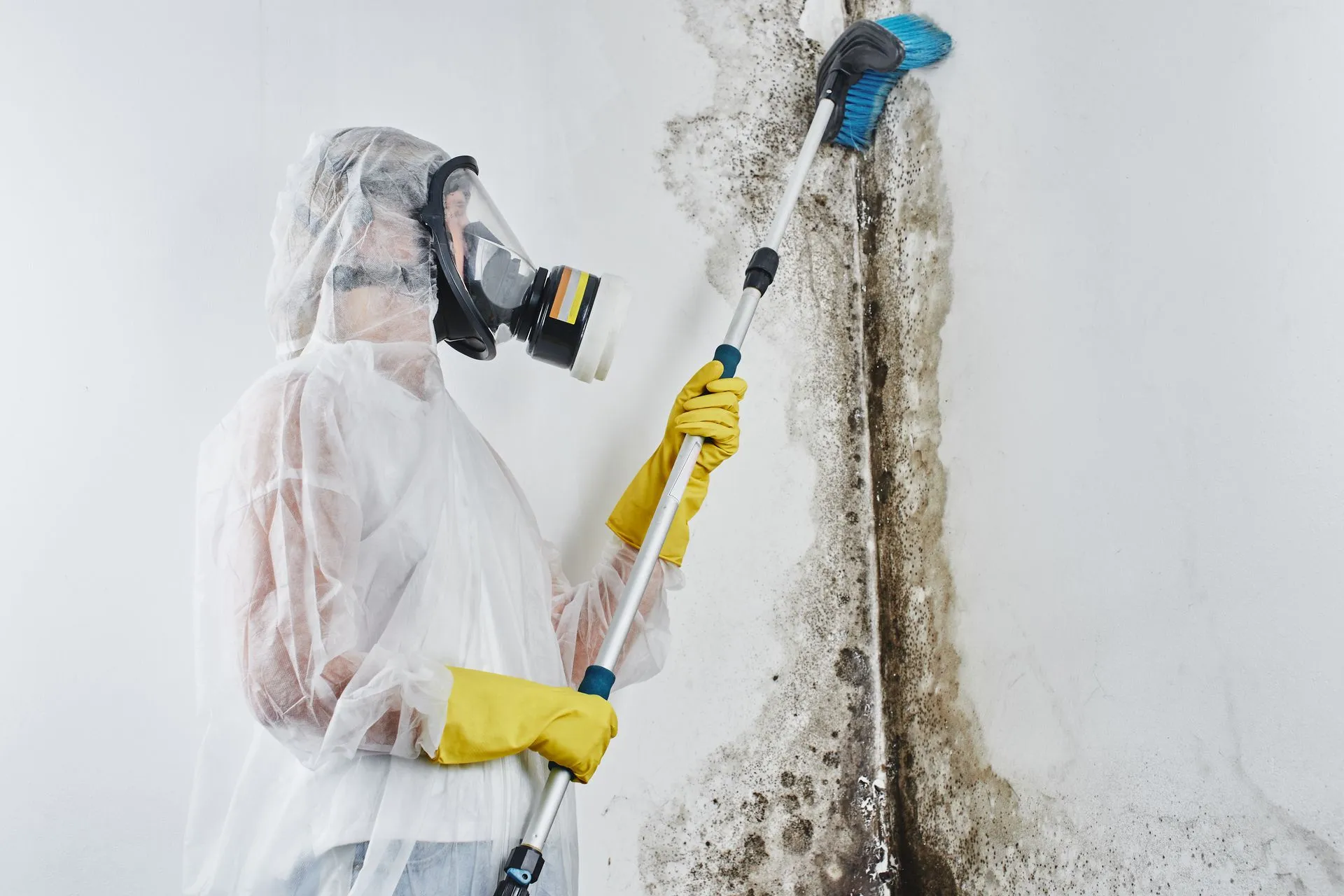
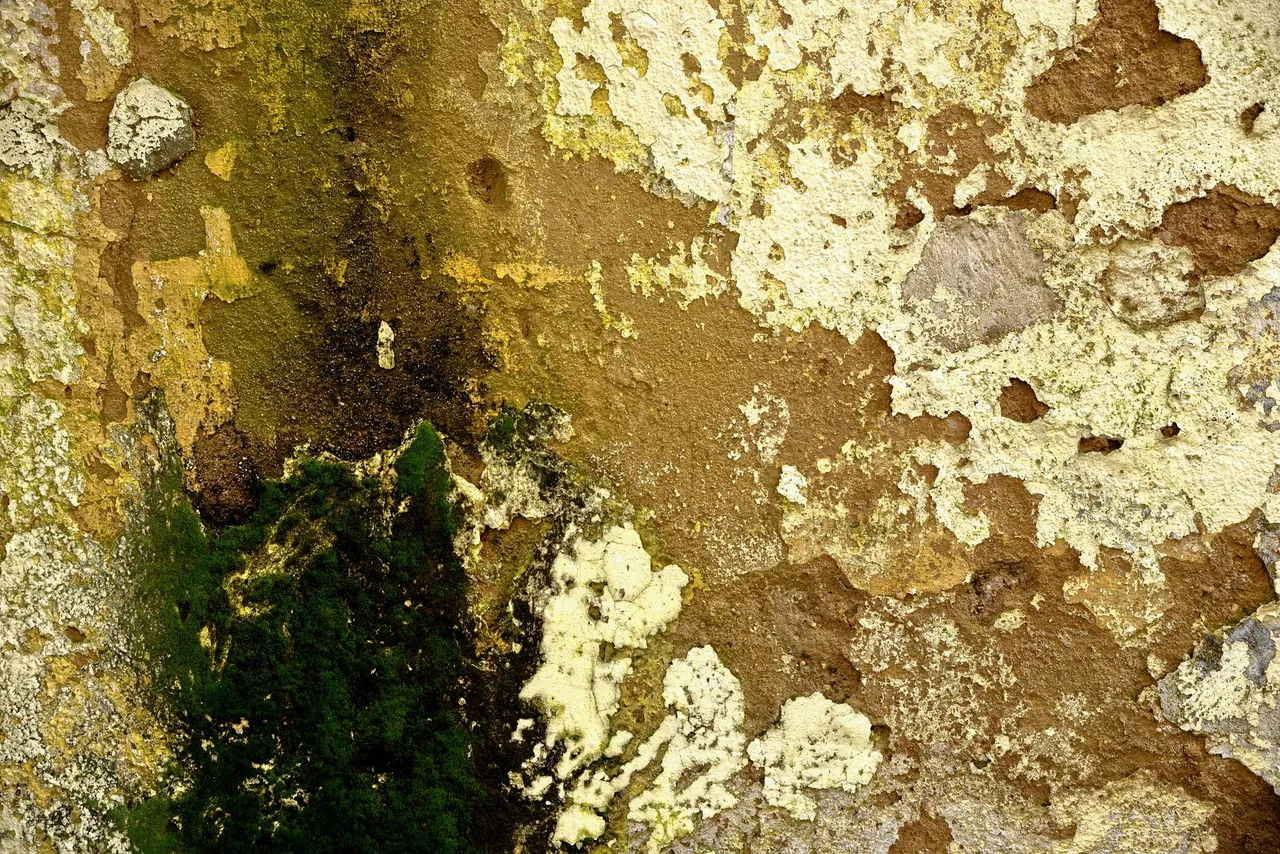
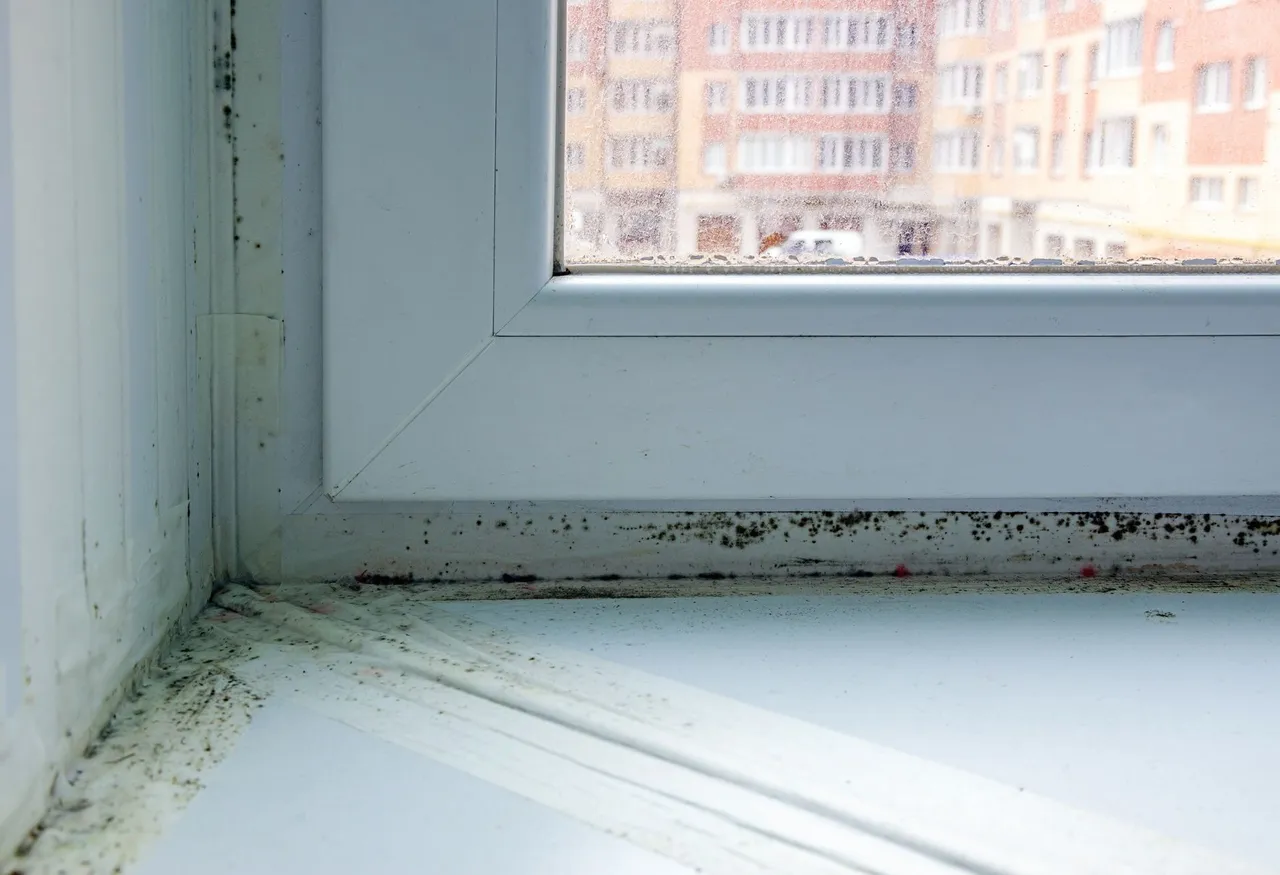
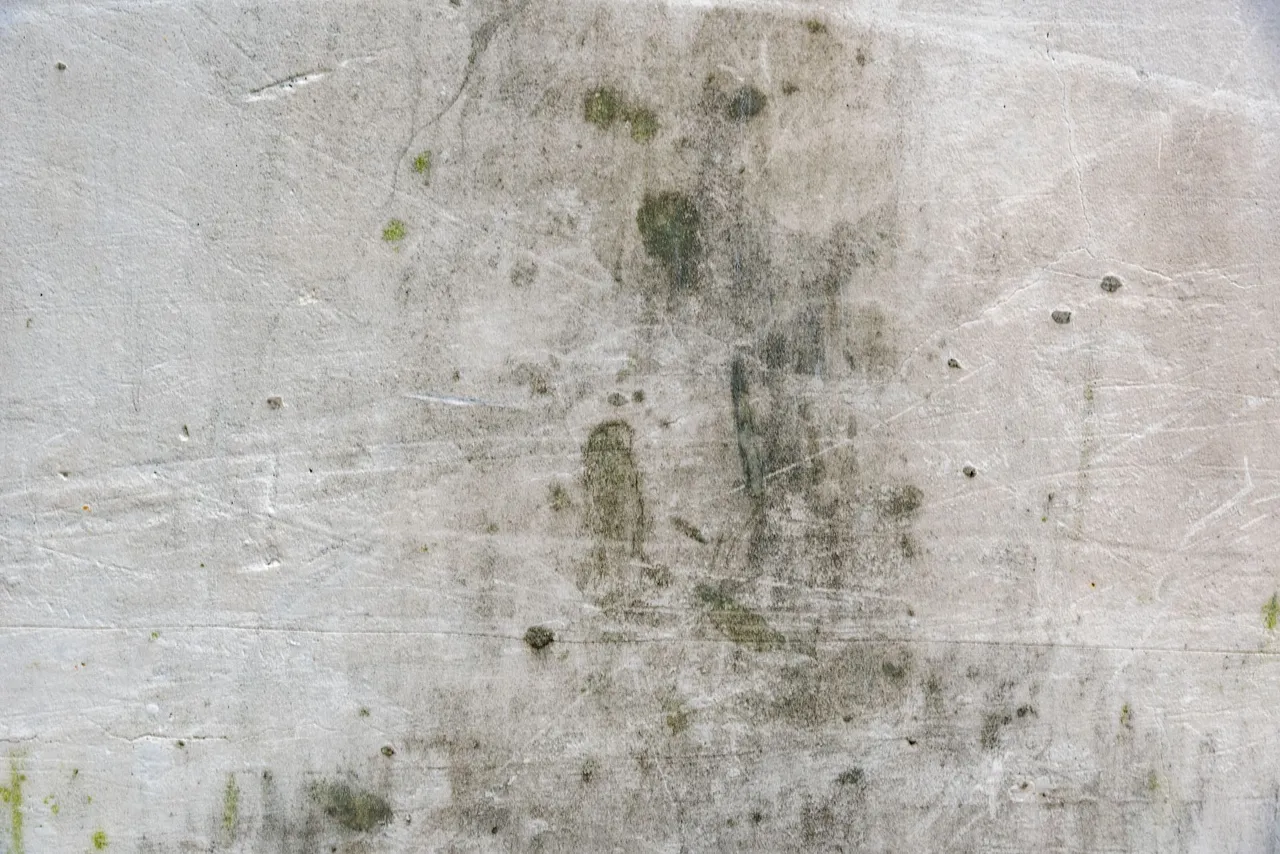
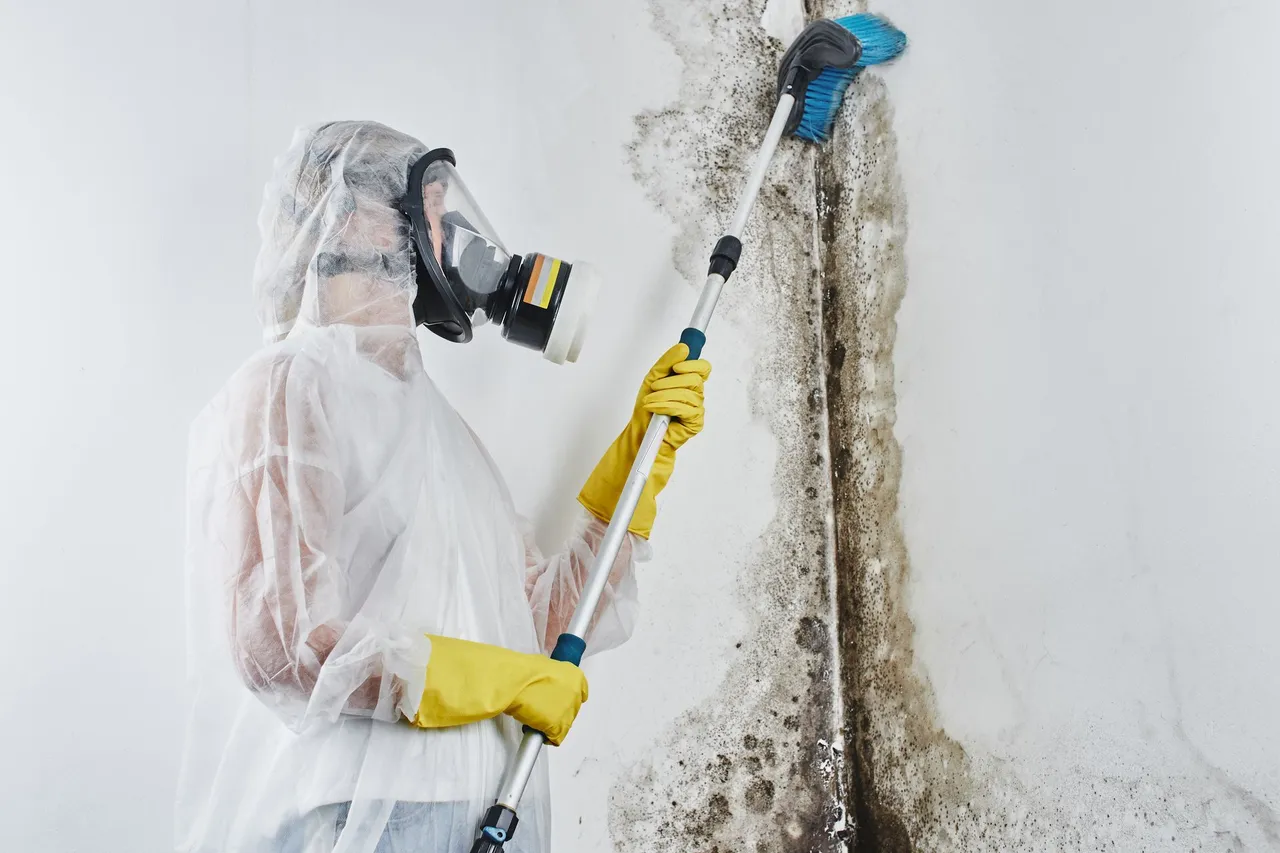
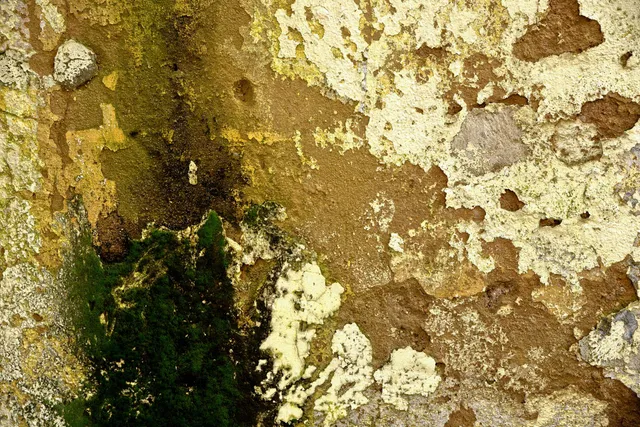
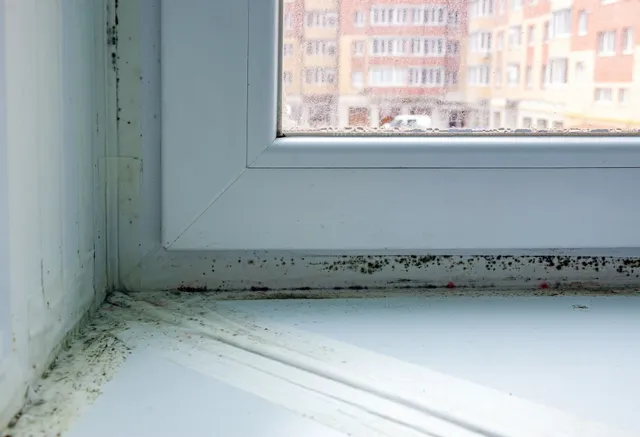
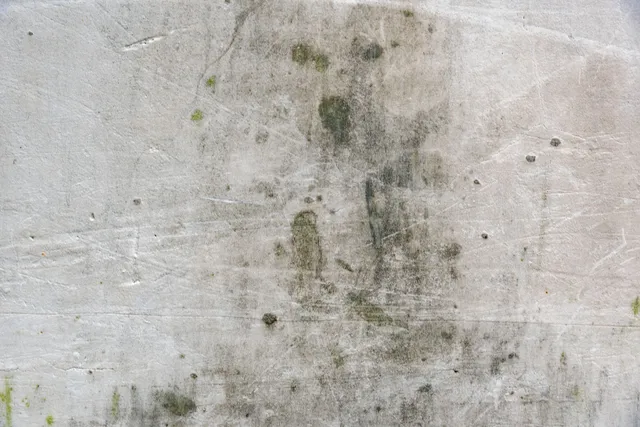
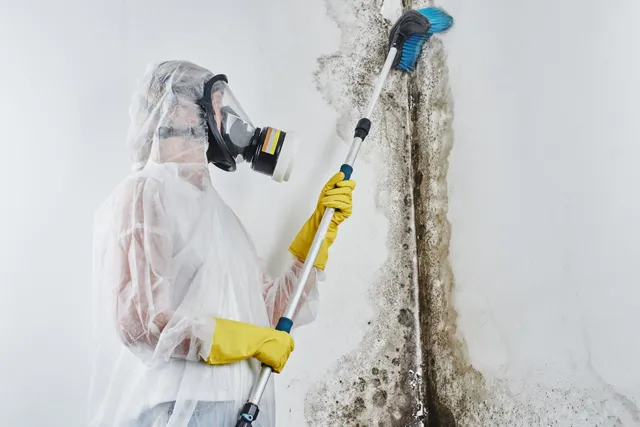
- Visible Mold Growth: Black, green, or brown patches on walls, ceilings, or floors are clear signs that testing is needed.
- Health Symptoms: Frequent sneezing, coughing, or unexplained headaches at home can be linked to mold exposure.
- Water Damage or Leaks: Past leaks from roofs, plumbing, or flooding create ideal conditions for mold to grow.
- Condensation or Humidity Issues: Persistent moisture in certain areas, like bathrooms or basements, may indicate hidden mold behind walls or under floors.
Recognizing these warning signs early can save both time and money. Once you identify potential problems, scheduling
professional mold testing is the next step to get a detailed picture of the situation.
The Step-by-Step Mold Testing Timeline
Many homeowners are curious about the actual process of mold testing. Here is a general step-by-step timeline from start to finish:
Step 1: Initial Consultation
The technician begins by asking questions about your concerns, past water damage, or health symptoms. This initial conversation helps determine the areas of focus and the types of tests needed.
Step 2: Visual Inspection
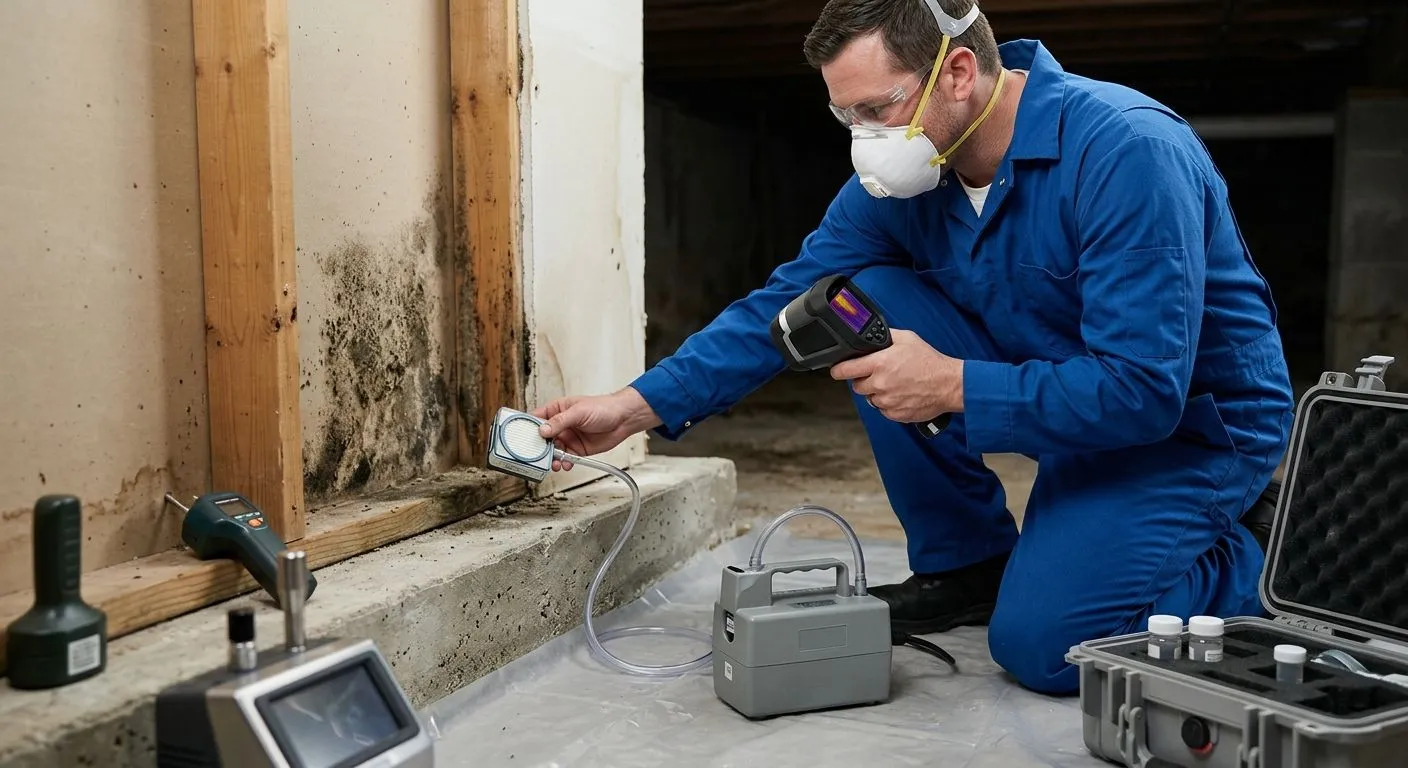
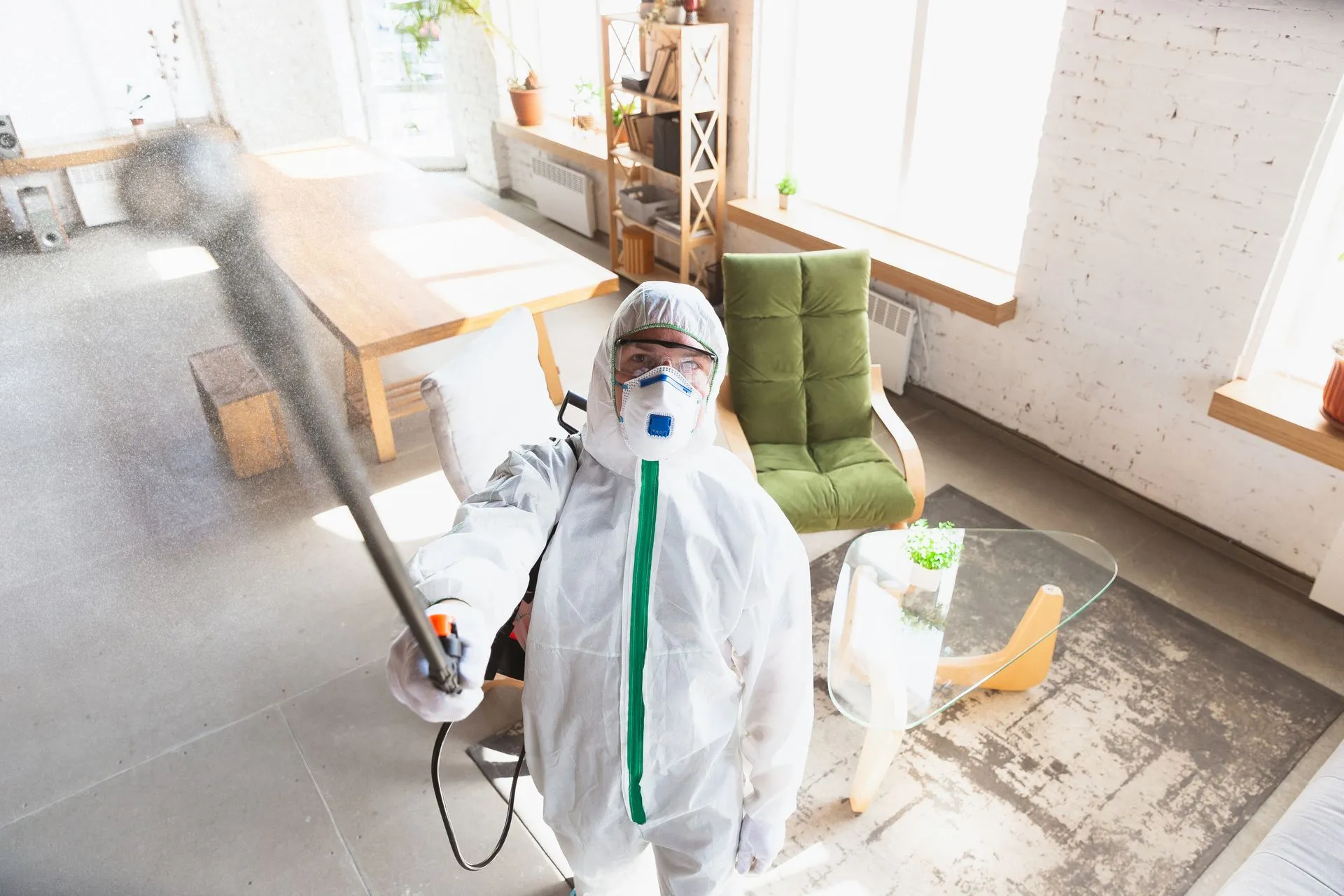
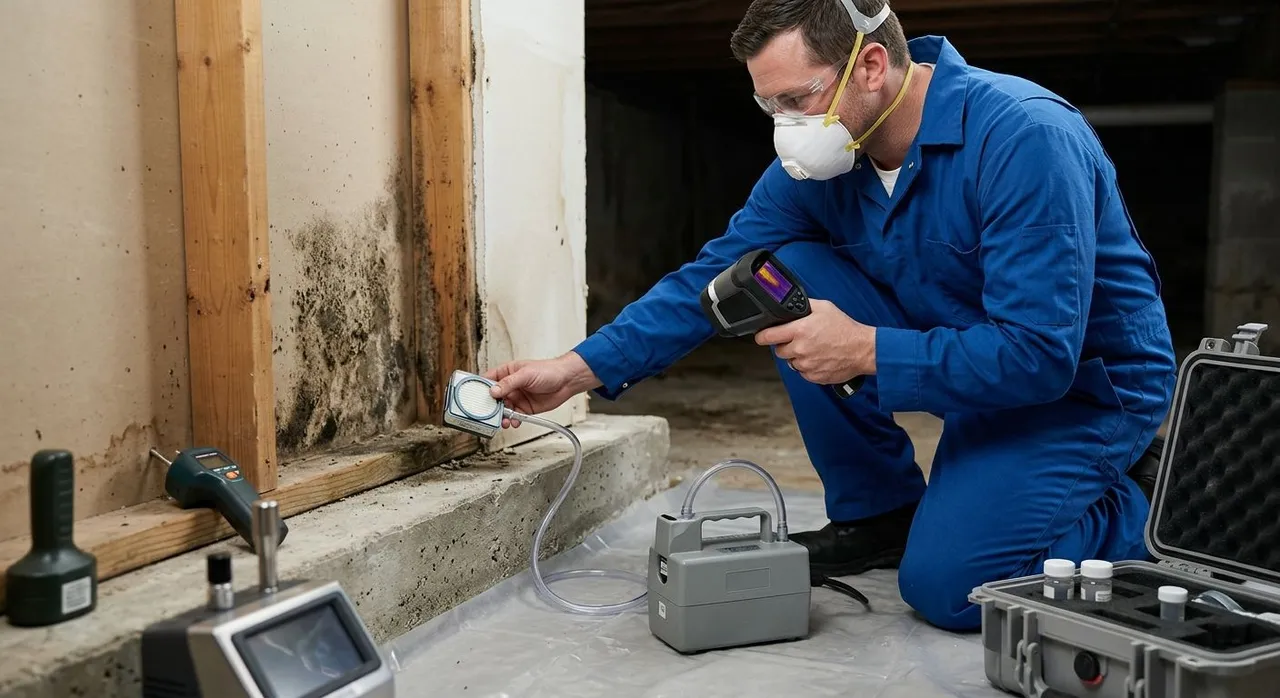
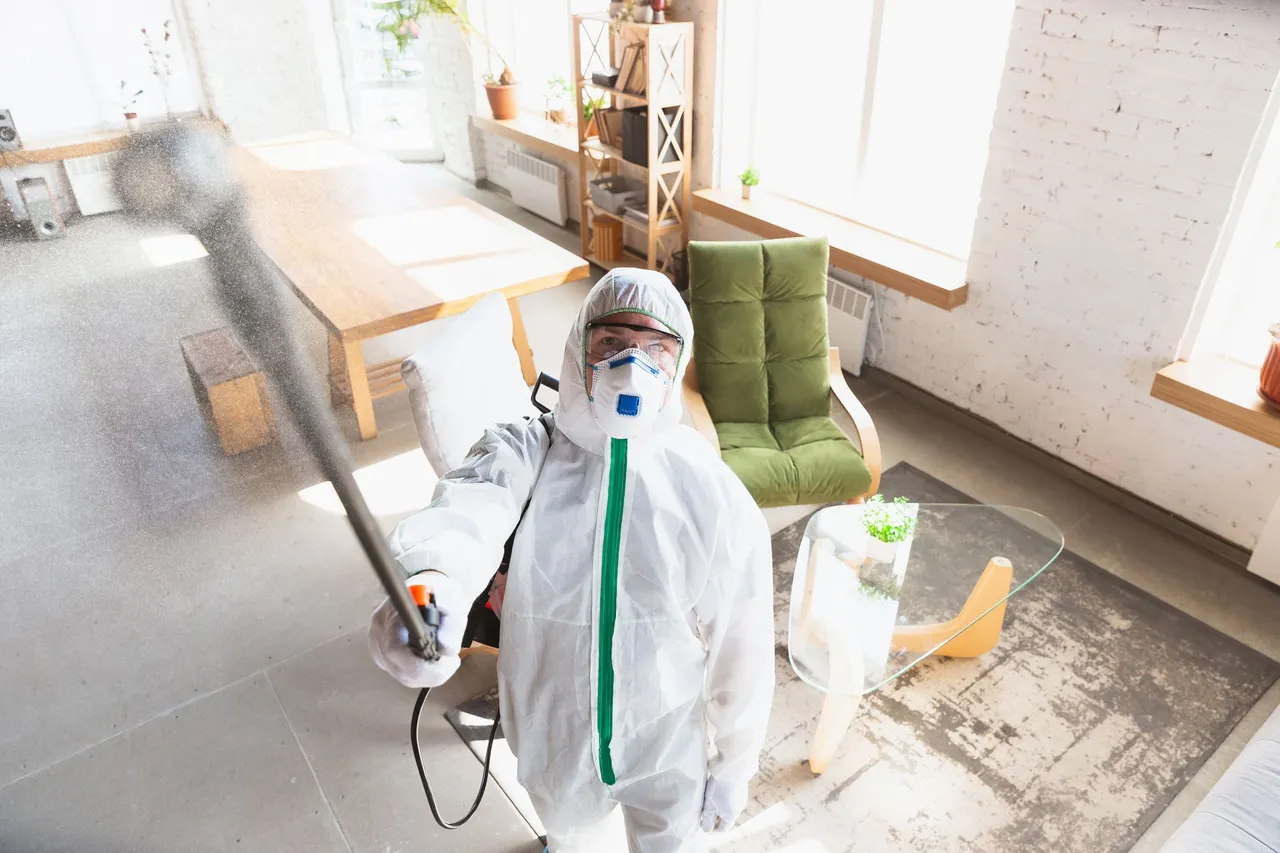
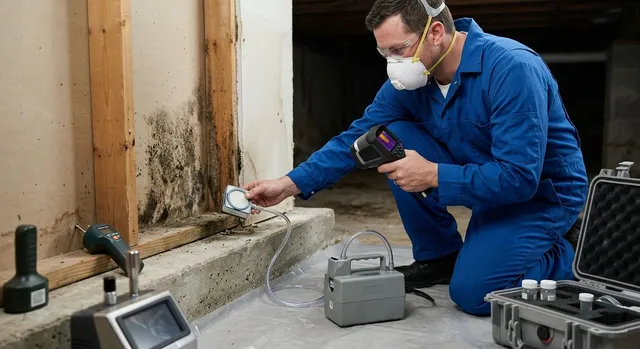
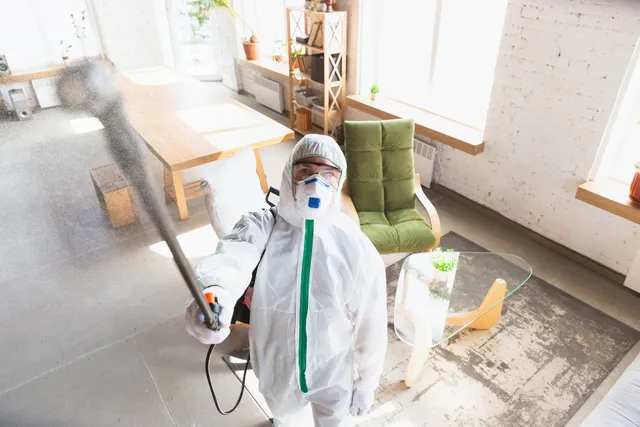
A professional will examine your home for visible mold, signs of moisture, and potential problem areas. They may use moisture meters or thermal cameras to detect hidden water sources behind walls or under flooring.
Step 3: Sampling
There are different types of samples that may be collected:
- Air Samples: Collected to measure the concentration of mold spores in the indoor air compared to outdoor air.
- Surface Samples: Swabs or tape lifts are used on visible mold areas to identify species.
- Bulk Samples: Sometimes a small portion of drywall, insulation, or other materials is collected for lab testing.
This part of the process usually takes 1-2 hours depending on the size of your home and the number of samples collected.
Step 4: Laboratory Analysis
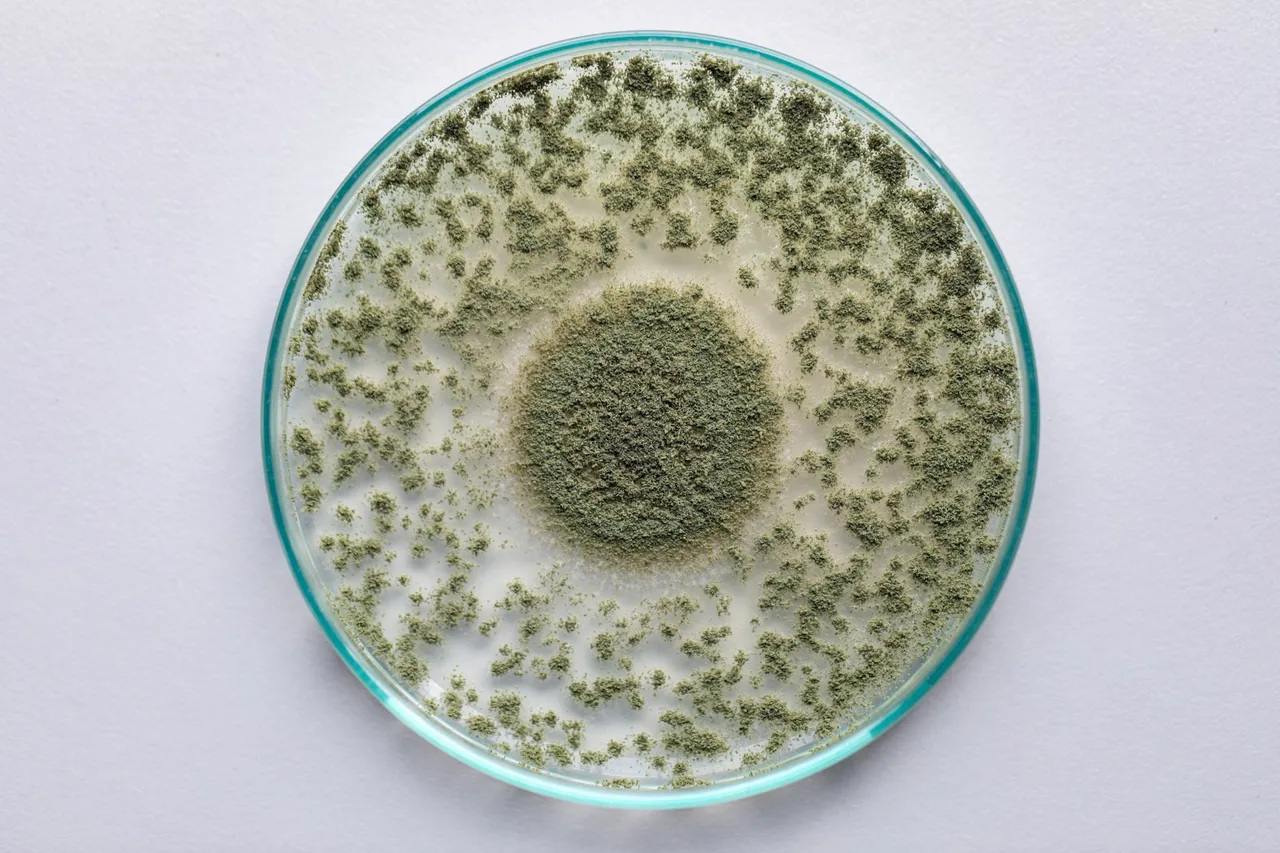
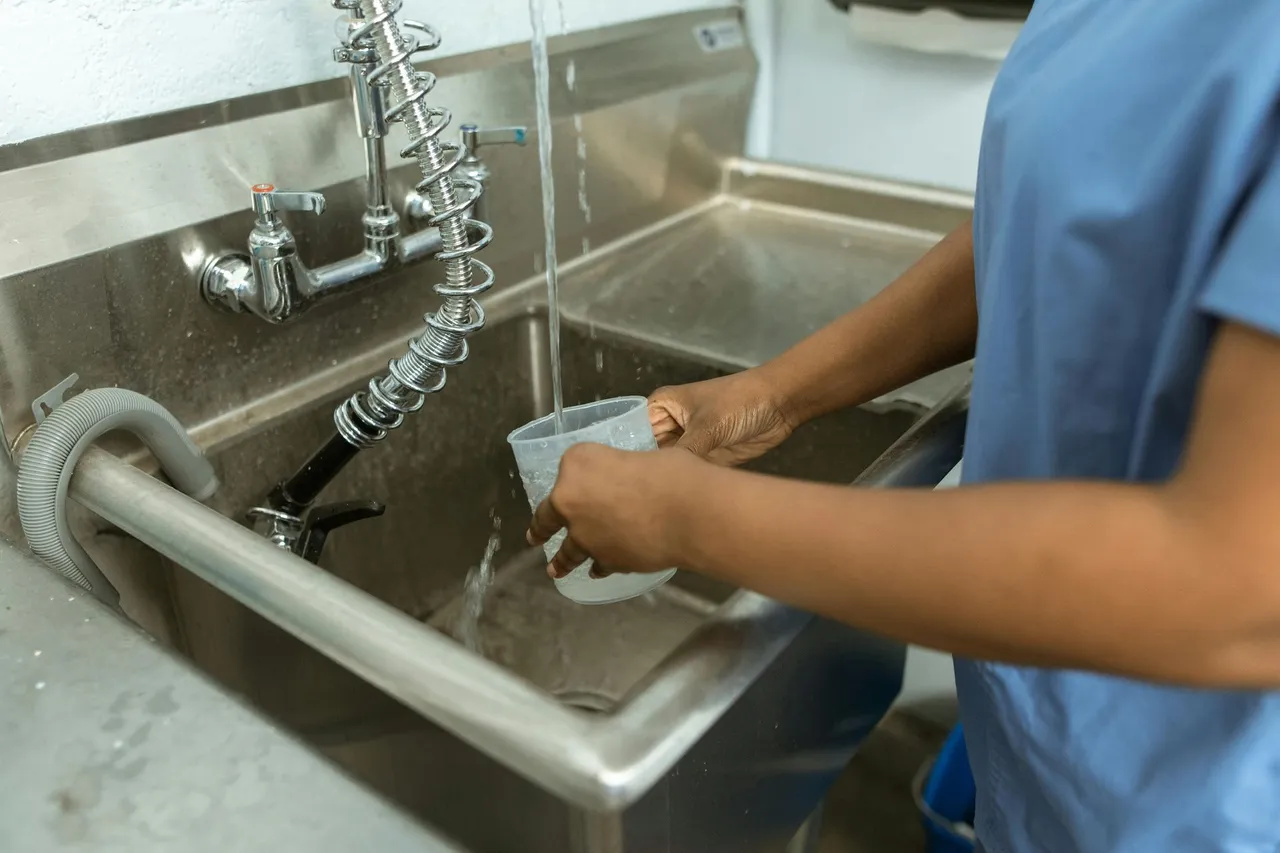
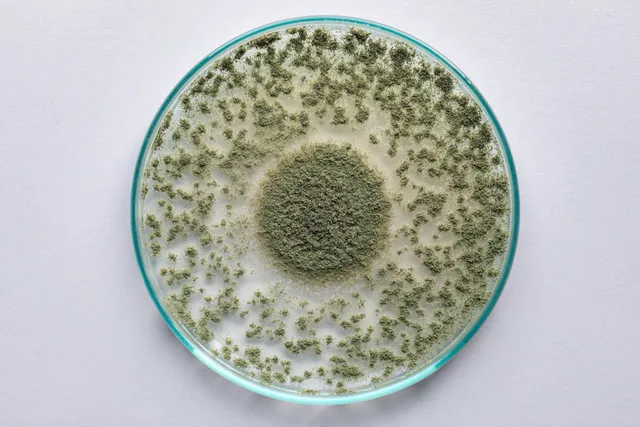
Samples are sent to a certified lab to identify mold species and concentration levels. Lab processing typically takes 2-5 business days, though expedited options may be available.
Step 5: Report and Recommendations
Once the lab results are ready, you will receive a detailed report outlining the type and level of mold detected, along with recommendations for remediation or further action.
Step 6: Follow-Up Actions
If mold is confirmed, professional remediation may be required. The timeline for removal depends on the extent of contamination. A follow-up test may also be scheduled to ensure that mold has been effectively eliminated.
Overall, from the initial consultation to receiving results, most homeowners can expect the process to take
about one week, with variations depending on the size of the property and complexity of testing.
Factors That Affect How Long Mold Testing Takes
Several factors can influence the overall duration of mold testing.
Knowing these can help you set realistic expectations:
- Size of the Home: Larger homes or buildings require more sampling points and inspection time.
- Type of Testing: Air sampling, surface testing, or bulk material analysis each take different amounts of time.
- Number of Problem Areas: Multiple rooms or hidden water damage extend inspection and sampling time.
- Lab Processing Time: Some labs offer faster processing, but standard analysis usually takes a few days.
- Accessibility: Areas that are difficult to reach, like attics or crawl spaces, may require extra time and specialized equipment.
By understanding these factors, you can better prepare for the testing process and plan any necessary follow-up actions.
Tips for Preparing Your Home for Mold Testing
Preparing for mold testing helps the process go smoothly and ensures accurate results.
Here are some tips:
- Do Not Clean Suspected Areas Before Testing: Cleaning can remove mold spores and affect sample accuracy.
- Limit Airflow: Keep doors and windows closed before testing to avoid outside air affecting the results.
- Document Concerns: Note areas with visible mold, water leaks, or musty odors to guide the technician.
- Inform About HVAC Systems: Technicians may need to inspect ductwork or areas affected by airflow patterns.
- Clear Access: Ensure that all areas to be tested are easily accessible to save time during the inspection.
These simple steps help professionals perform a thorough inspection and ensure you get the most reliable results.
Call J&S Air Quality Experts for Professional Mold Testing in Palm Bay FL
Ensure a Safe and Healthy Home Environment
Mold can grow quietly behind walls and under floors, creating potential health risks for your family. J&S Air Quality Experts provides professional mold testing in Palm Bay, FL and surrounding areas, helping you identify and address issues before they become serious problems. Our experts deliver thorough inspections, accurate results, and clear recommendations to protect your home and your loved ones.
In addition to mold testing, we also offer
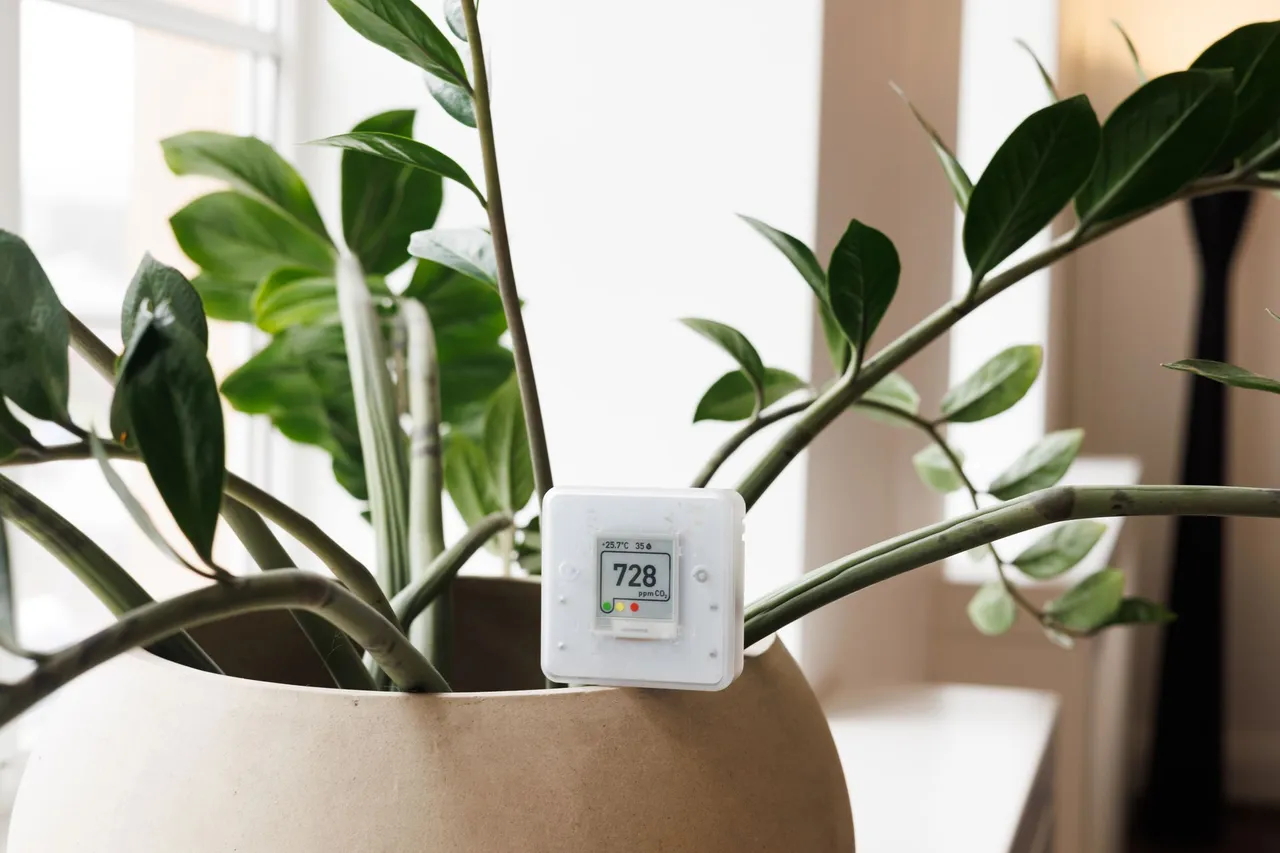
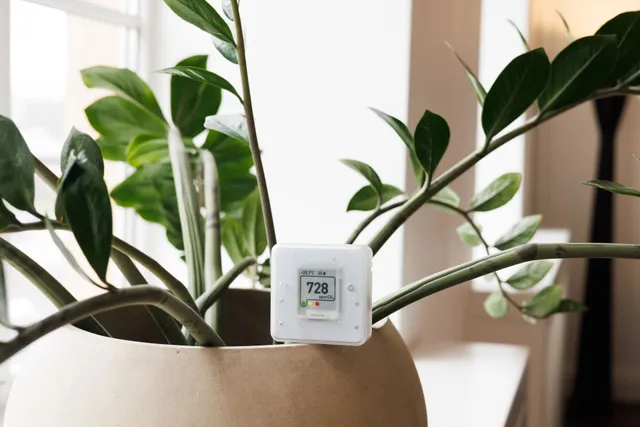
air quality testing,
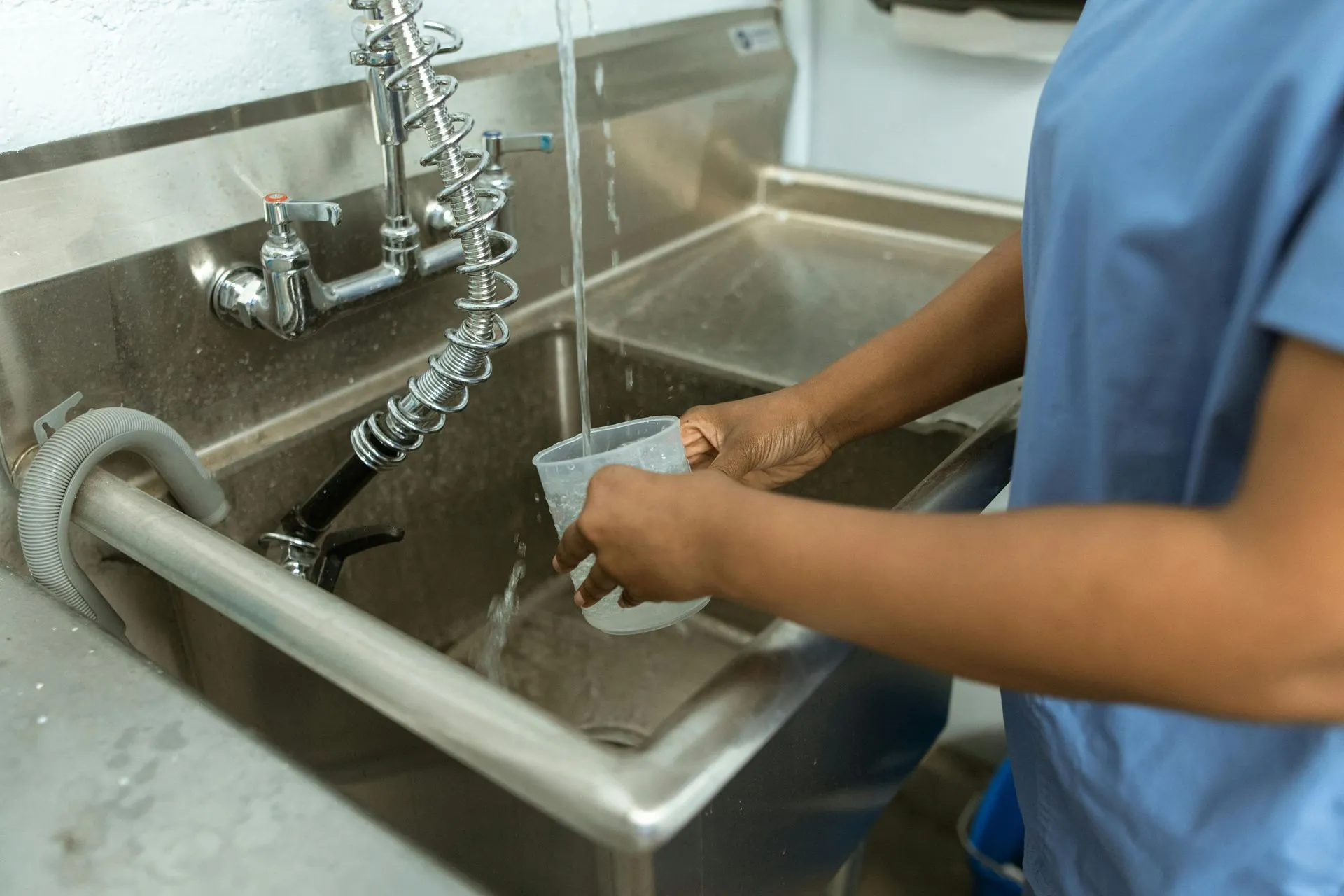
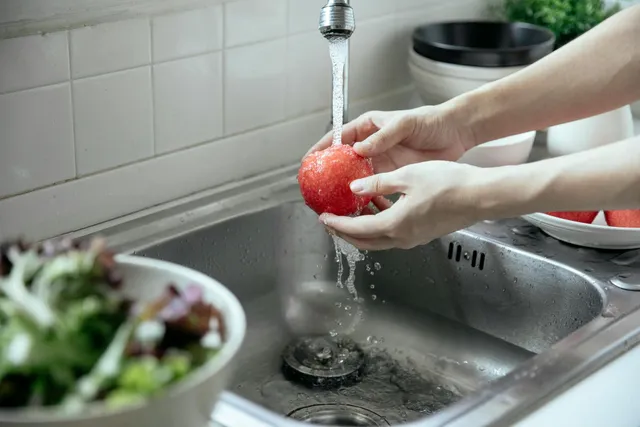
water and bacteria testing, and
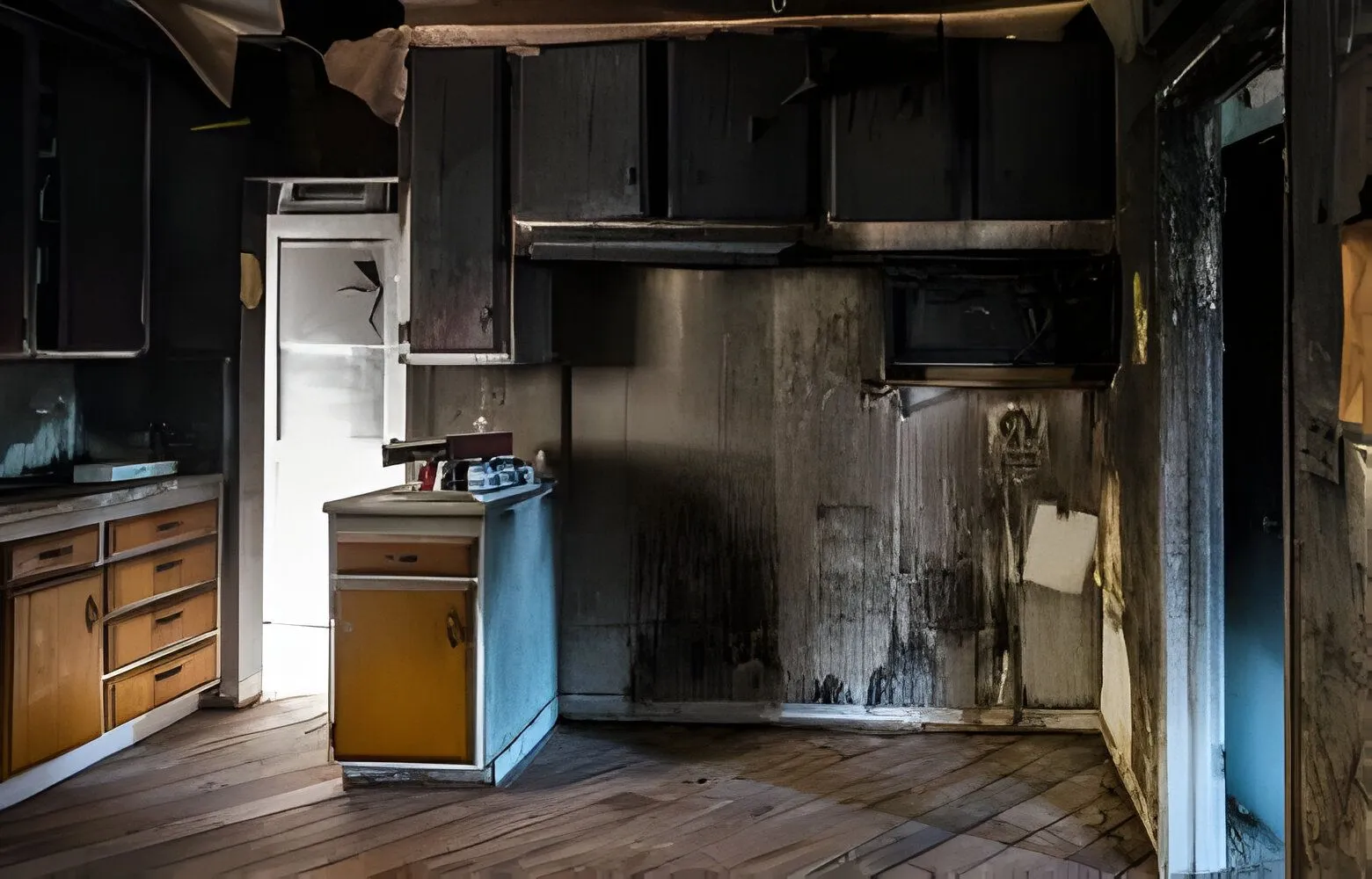
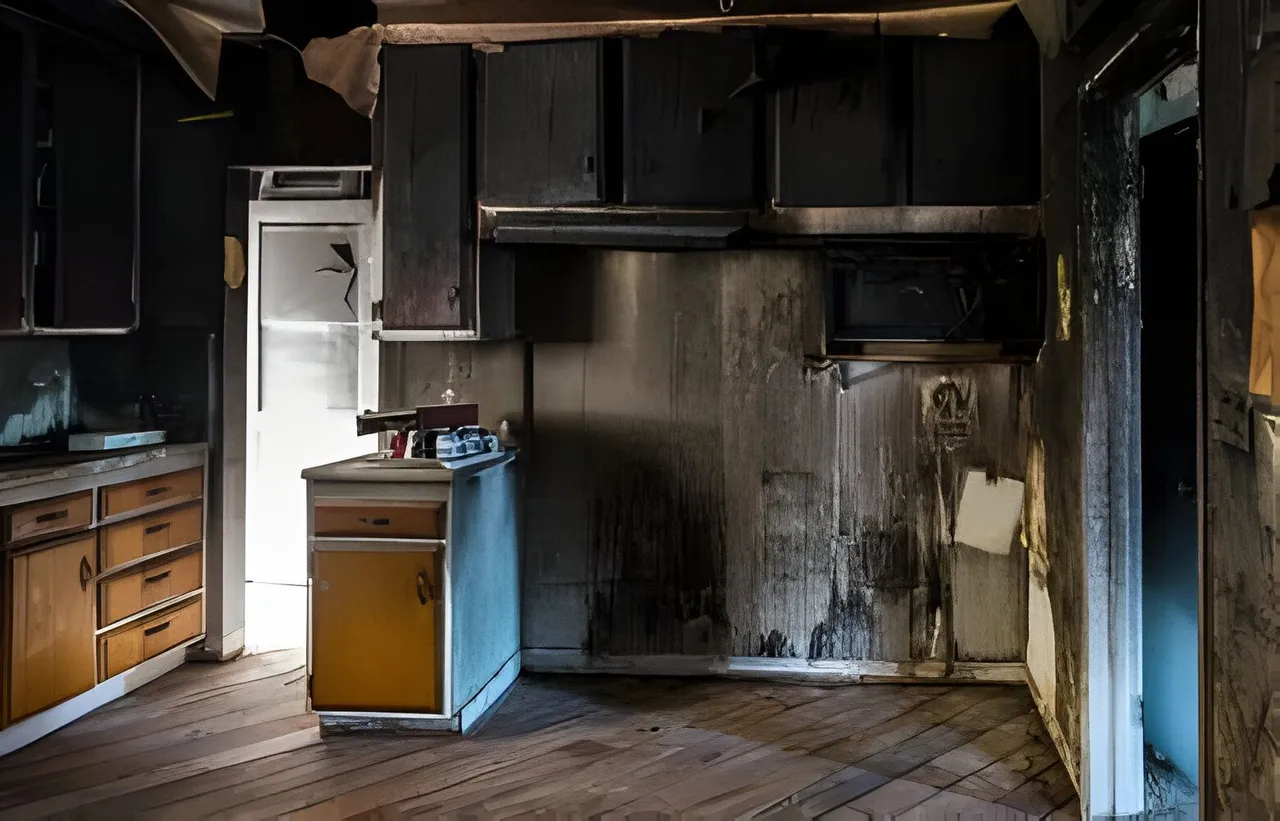
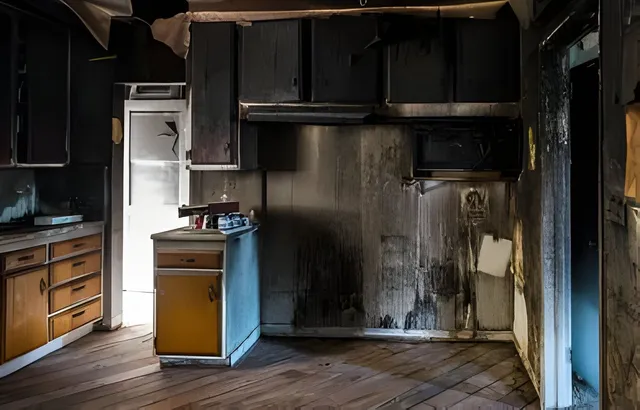
fire and smoke testing. Whether it’s the air you breathe, the water you use, or damage from fire or smoke, we provide comprehensive testing services to keep your home safe. Call us today at
(321) 557-3163 to schedule your inspection and take the first step toward a healthier living environment.
FAQs
How long does a typical mold testing appointment take?
Most inspections and sample collections take 1-2 hours, depending on the size of the home and number of problem areas.
When will I receive my mold testing results?
Lab analysis typically takes 2-5 business days, after which you receive a detailed report with recommendations.
Can I do mold testing myself?
DIY kits exist but are not as accurate as professional testing. Certified technicians provide reliable results and expert guidance.
What if mold is found in my home?
The report will include remediation recommendations. Professional mold removal may be required for extensive contamination.
How often should I schedule mold testing?
If you have had water damage, persistent humidity, or previous mold issues, testing is recommended. Annual or bi-annual testing is a good preventive measure.