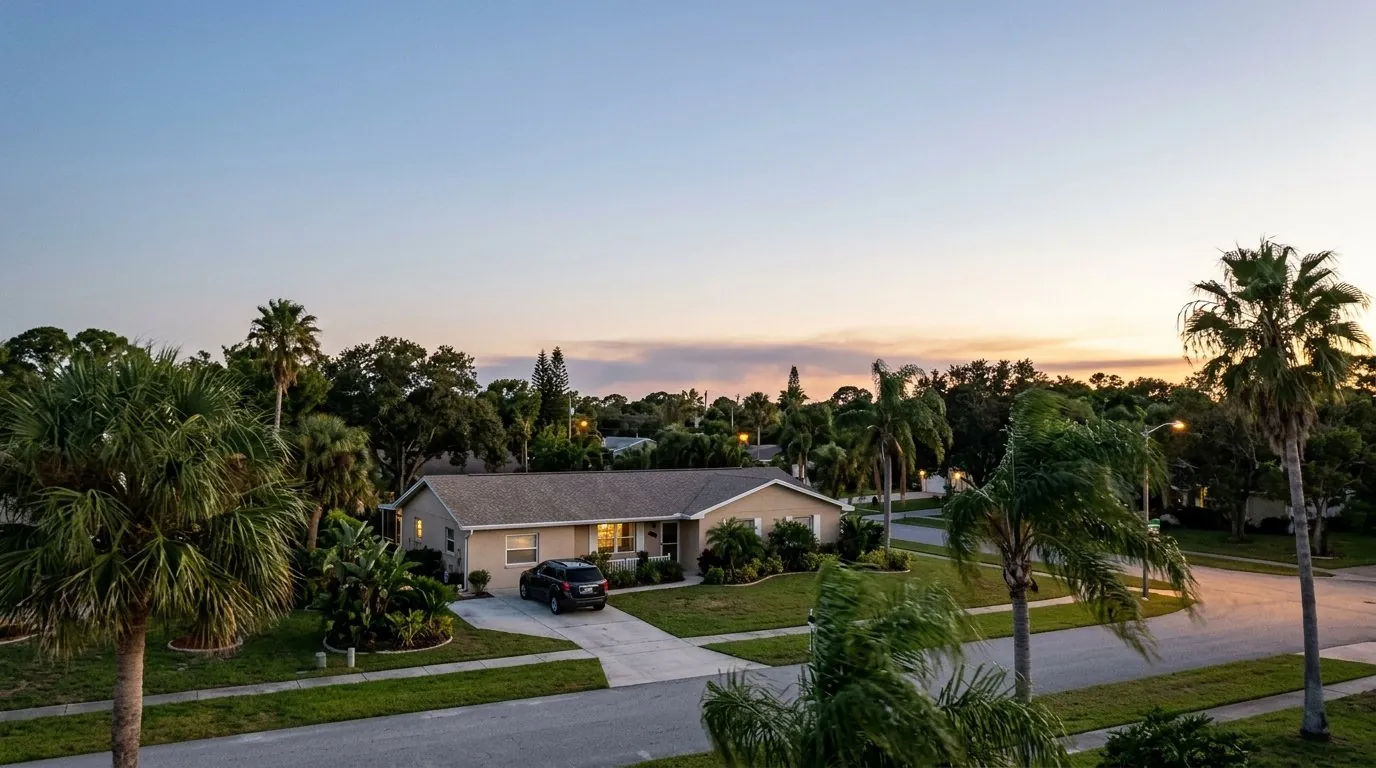
Wildfire smoke doesn't need flames at your door to hurt your indoor air. Fine ash particles travel hundreds of miles on the wind. Fire and smoke testing in Palm Bay is often the only way to confirm hidden damage. Your home could be quietly compromised without you knowing.
Florida's active wildfire season has scorched over 100,000 acres across the state, including a massive 16,000-acre blaze in the Everglades. Combine that with smoke drifting in from out-of-state fires, and regional air quality takes a hit even when local skies look clear. Homeowners rarely realize the danger until symptoms show up.
The Hidden Reach of Wildfire Smoke
When vegetation burns, it releases ultrafine particulate matter known as PM2.5. These particles are so small they bypass standard doors, windows, and weatherstripping with ease. Once inside, they settle into HVAC ductwork, upholstery, carpeting, and even the fibers of your curtains.
You don't have to live near a burn zone to feel the effects. Smoke plumes travel on jet streams and can blanket entire regions long after the fire itself has been contained. That's why homes throughout Palm Bay and Orlando can carry smoke residue without any obvious signs of fire damage nearby.
What Fire and Smoke Testing in Palm Bay Actually Measures
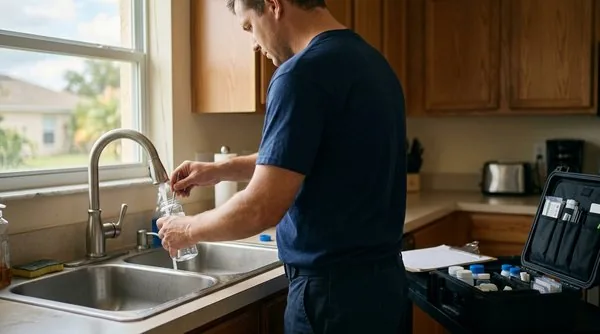
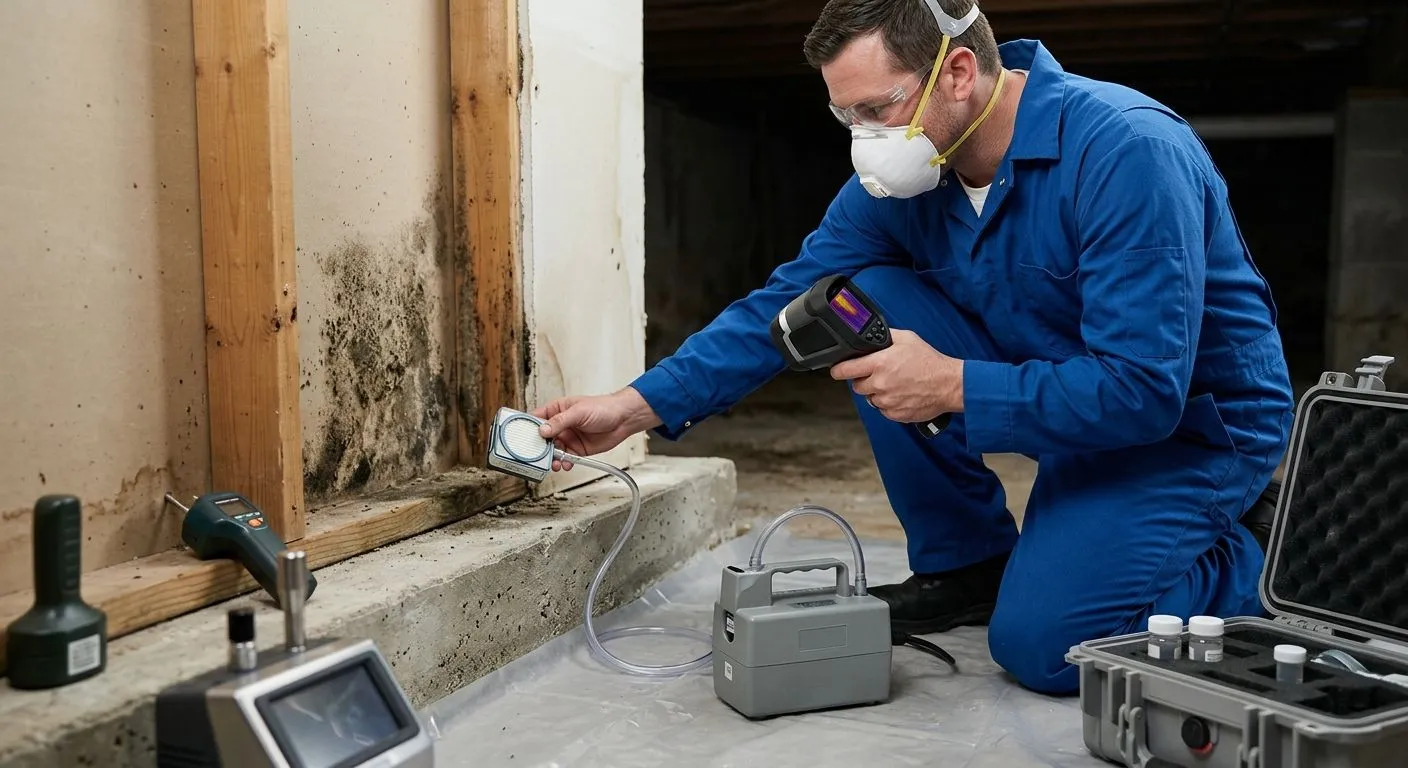
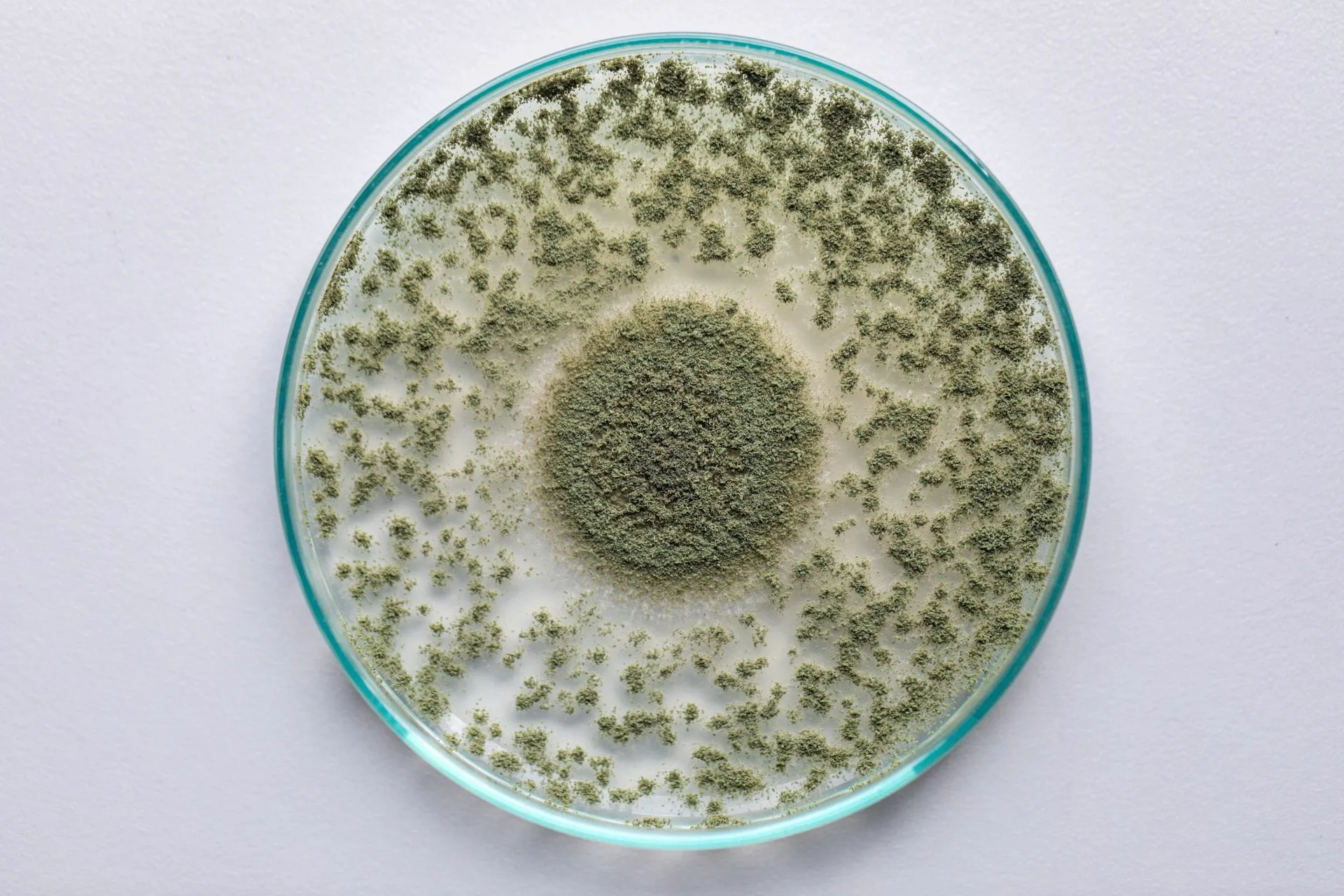
A professional inspection goes far beyond a quick sniff test or a glance at your air filter. Certified technicians use lab-grade equipment to identify exactly what's floating in your air and settling on your surfaces.
Here's what a thorough assessment typically evaluates:
- Concentration of PM2.5 and other airborne particulates
- Presence of soot and ash residue on hard surfaces and fabrics
- Chemical byproducts left behind from smoke exposure
- HVAC contamination and filtration efficiency
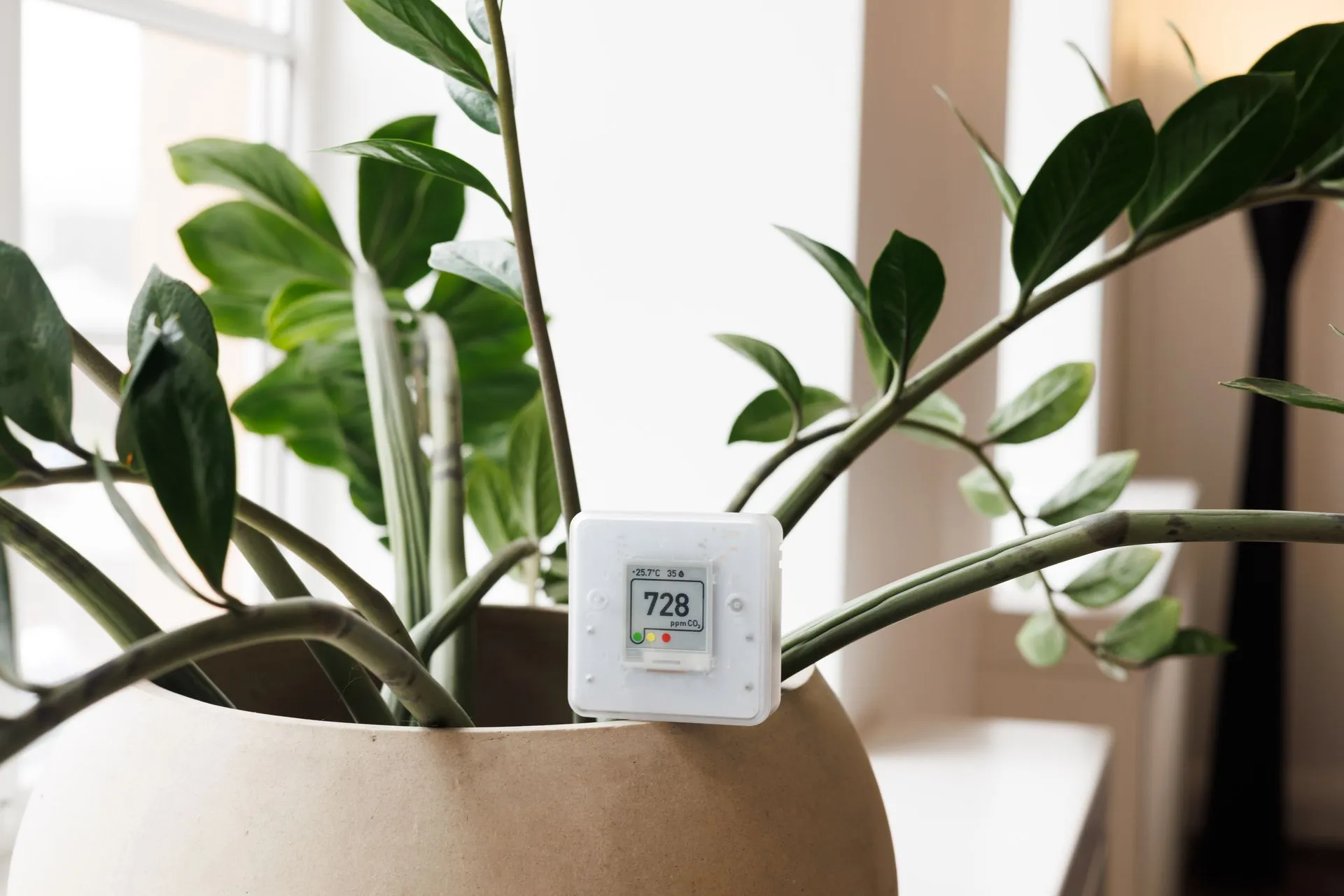
- Overall indoor air quality compared to safe household benchmarks
This data gives you something a visual inspection never can: objective proof of what's actually in your air.
Signs Your Home Might Need Testing
Smoke exposure doesn't always announce itself with a smell. Sometimes the clues are subtler, showing up in how you feel rather than what you see.
Watch for these warning signs, especially during active regional burn periods:
- Unexplained coughing or throat irritation indoors
- Eye irritation that improves once you leave the house
- A faint smoky odor that lingers in fabrics or carpet
- Visible dust or soot buildup near air vents
- Headaches or fatigue that seem tied to time spent at home
If any of these sound familiar, it's worth having your home's air evaluated rather than guessing.
Why DIY Air Fresheners Won't Cut It
Plug-in fresheners and scented candles only mask odors. They do nothing to remove the microscopic particles or chemical residues that smoke leaves behind. Worse, some air fresheners add their own volatile compounds to an already compromised environment.
Customers who've worked with J&S Air Quality Experts often mention something valuable. They love finding the real root cause of a problem. That's better than paying for a surface-level fix that solves nothing. That same principle applies directly to smoke contamination. Masking a smoky smell isn't the same as removing the particles causing it.
What to Expect From a Professional Fire and Smoke Testing Visit
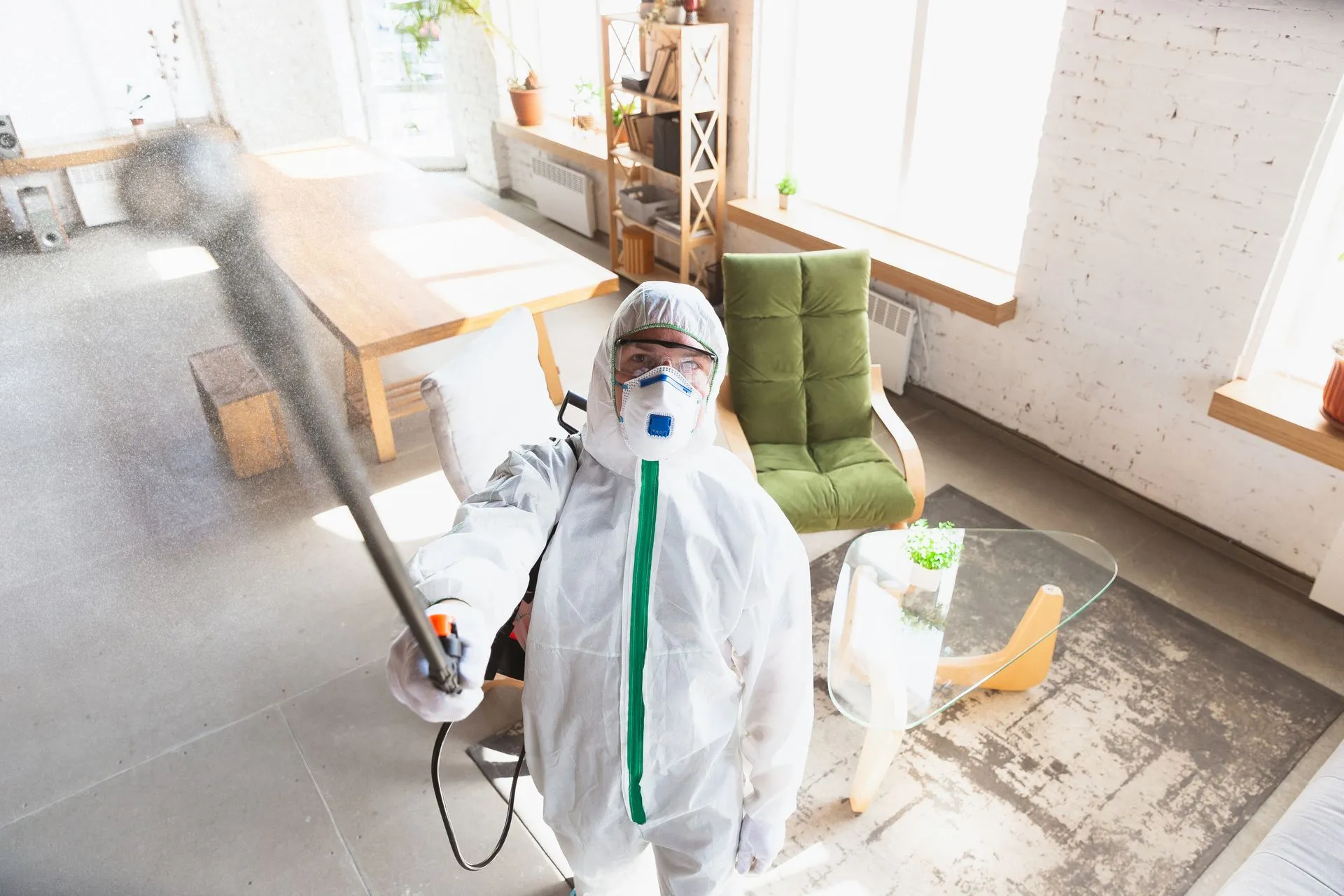
A proper fire and smoke testing visit starts with a walkthrough of your home. Technicians then perform targeted air sampling in the rooms where you spend the most time. Technicians also check HVAC intake points, since these systems tend to pull in and circulate outdoor contaminants continuously.
Once samples are collected, they're analyzed to determine particulate levels and composition. You receive a clear report explaining what was found and whether levels exceed healthy indoor thresholds. This gives you the unbiased data needed to make an informed decision. You won't feel pressured to buy remediation services from the same company that tested your home.
Protecting Your Family Between Burn Events
October in Palm Bay often still carries warm, humid conditions, and many households keep windows closed to let air conditioning manage the heat. That closed-house habit, while comfortable, can trap any smoke particles that already made their way indoors during a recent burn window.
Routine testing isn't just for homes near an active fire. It's a smart check-in whenever regional air quality has been compromised, giving you peace of mind before symptoms worsen.
If wildfire smoke has you wondering what's really in your home's air, professional testing gives you real answers instead of guesswork. Reach out to J&S Air Quality Experts to schedule your fire and smoke testing appointment today.
Frequently Asked Questions
Does my home need to be near a wildfire to be affected by smoke?
No. PM2.5 particles from wildfires can travel hundreds of miles on wind currents, meaning homes far from any active blaze can still experience smoke infiltration.
How is fire and smoke testing different from a general air quality test?
Fire and smoke testing specifically targets particulate matter, soot, and chemical residues from combustion. General air quality testing looks at a broader range of pollutants, like VOCs and allergens.
Can smoke damage affect my home even without a visible smell?
Yes. Particulate residue can settle into HVAC systems and fabrics without producing a strong odor, especially as smoke disperses over time.
How often should testing be done in a high-risk season?
It's wise to test after any significant regional burn event or if household members develop unexplained respiratory symptoms tied to being indoors.