

J&S Air Quality Experts
Water Testing Palm Bay: What's Really in Your Tap
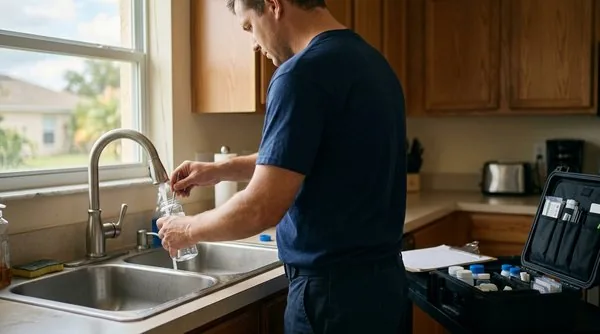
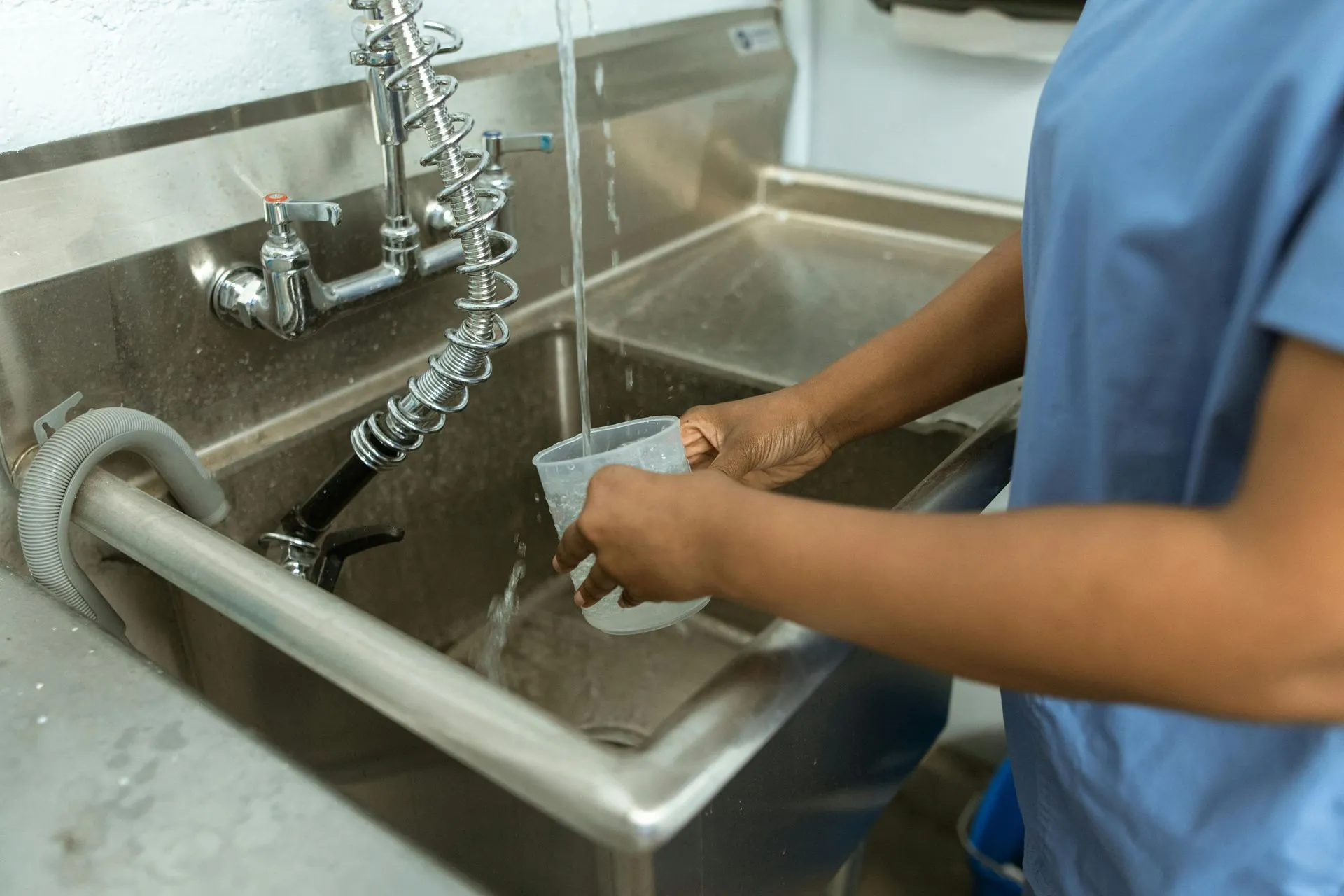
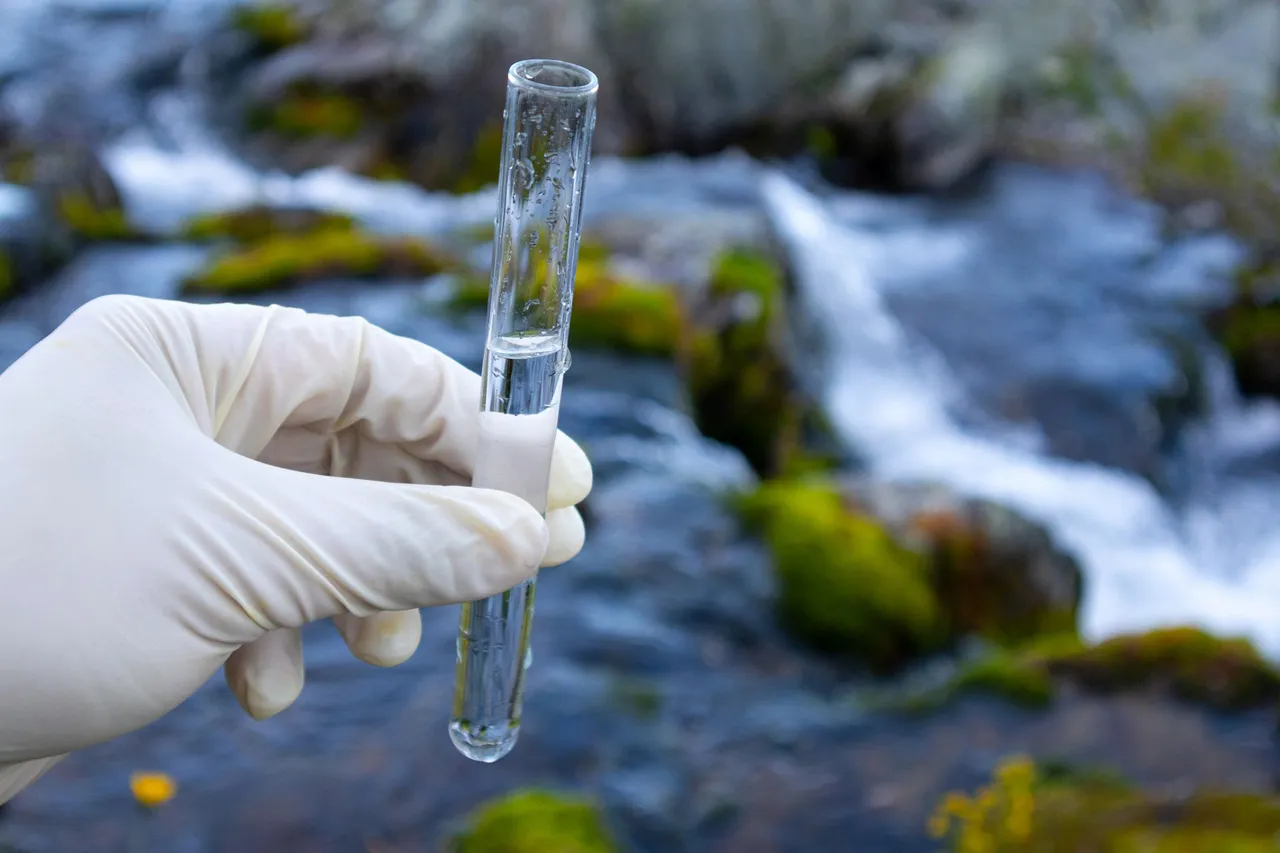
Your tap water may look perfectly clear, but looks tell you almost nothing about what is actually inside it. For Palm Bay homeowners, professional water testing is one of the most direct ways to protect your family's health from invisible contaminants.
J&S Air Quality Experts provides comprehensive water testing services for Palm Bay and Orlando residents who want real answers, not guesses. And in 2026, there are compelling reasons why more local homeowners are making that call.
Palm Bay Has a Specific Water Quality Problem
Most people assume that if their water passes municipal treatment standards, it is safe. That assumption has real limits. A comprehensive water quality assessment released by Public Employees for Environmental Responsibility (PEER) and Waterkeepers Florida found that over 52% of Florida's assessed water bodies fail to meet state water quality standards. The primary culprits are runoff and nutrient pollution from surrounding land use.
Closer to home, Brevard County residents have repeatedly reported tap water that carries a distinct odor. The smell is often described as muddy, musty, or faintly like mildew. Local water authorities have attributed this to heavy seasonal rains and algal blooms in Lake Washington. These blooms feed into the regional water supply. September's tail end of the rainy season makes this a timely concern.
That odor is unpleasant. It is also a warning sign worth investigating professionally.
The PFAS Problem Right Here in Palm Bay
Beyond seasonal odors, there is a more persistent threat: synthetic chemicals known as PFAS, or “forever chemicals.” Independent testing has historically detected PFAS contamination at local public sites, including the Turkey Creek Sanctuary right here in Palm Bay.
PFAS compounds do not break down in the environment or in the human body. They accumulate over time. They have been linked to a range of serious health concerns. The troubling reality is that standard municipal water treatment is not specifically designed to remove them. Your water can technically pass baseline federal safety standards and still carry a PFAS load that matters for long-term health.
This is exactly why professional water testing Palm Bay residents invest in goes beyond a basic municipal report.
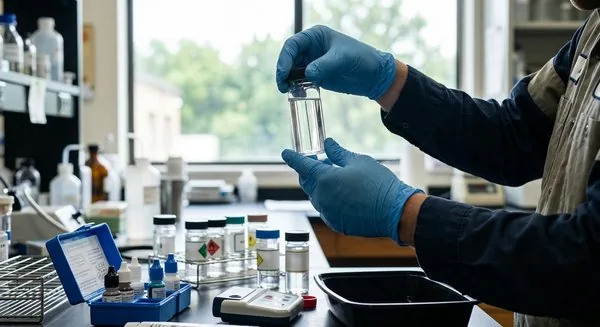
What Professional Water Testing Actually Checks
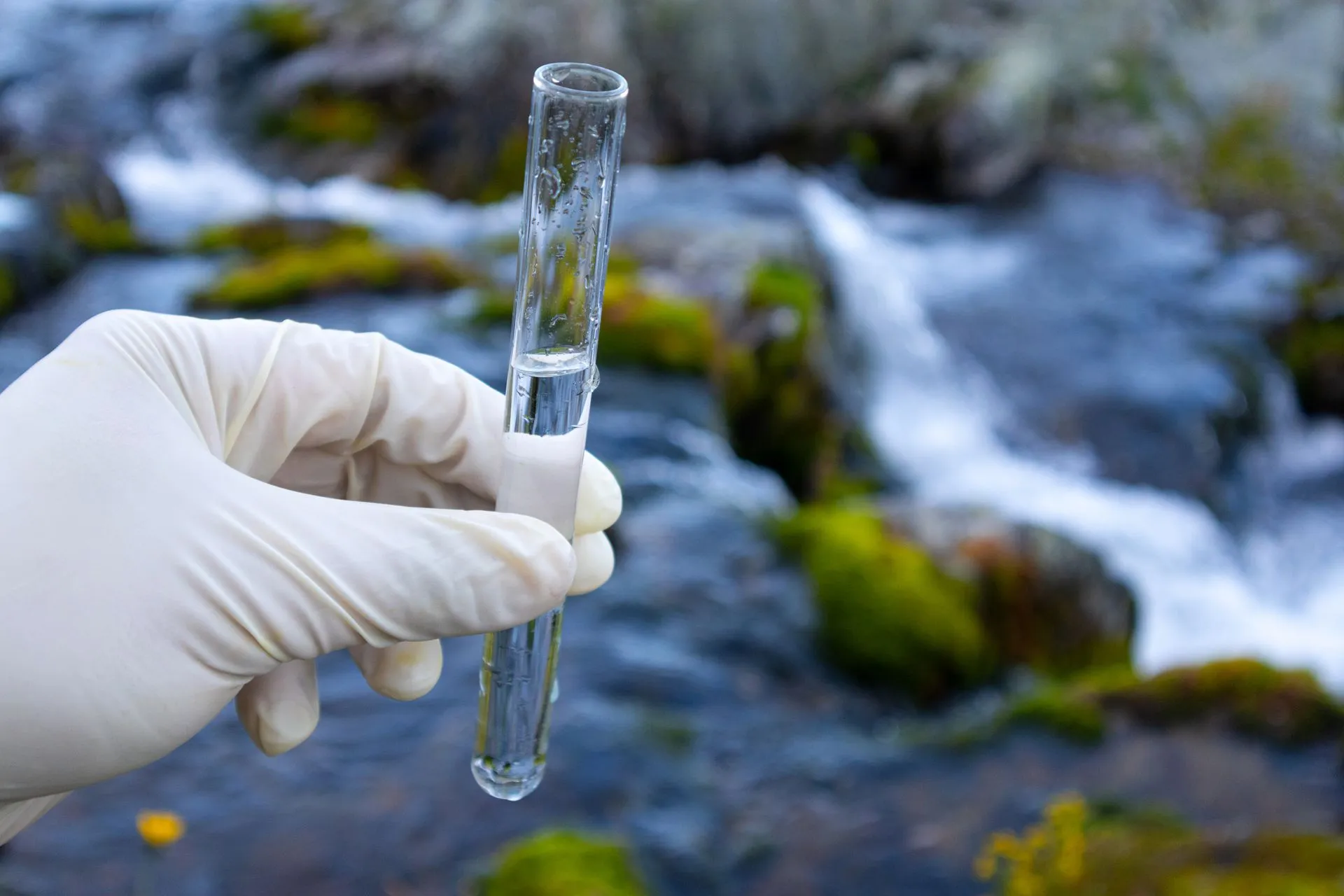
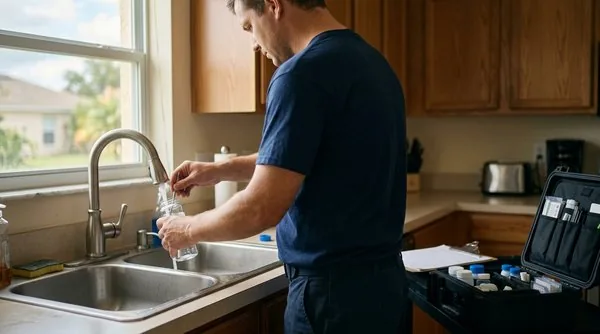
A municipal water report is a snapshot of water quality at the treatment plant. By the time water reaches your faucet, a lot can change. Here is what professional water testing can examine that a utility report cannot:
- Lead and copper leaching from aging pipes inside your home or in your neighborhood's distribution lines
- PFAS and synthetic chemical presence not routinely disclosed in standard utility reports
- Chlorine and chloramine levels, which municipalities use for disinfection but which can affect taste, odor, and long-term consumption safety
- Bacterial and microbial contamination, particularly relevant after heavy flooding or pipe disturbances
- Nitrates and agricultural runoff compounds, common near areas with significant landscaping or farming activity
- pH and hardness levels, which affect corrosion potential and appliance wear
The results give you something a utility report cannot: a precise picture of what is coming out of your specific faucet, in your specific home.
Water Testing for Well Owners Is Even More Critical
Not every Palm Bay household is connected to city water. Private well owners carry full personal responsibility for their water quality. There is no municipal oversight or treatment system between the aquifer and their glass. Wells can be affected by nearby agricultural activity, septic system proximity, and natural mineral content in local soils.
Without routine testing, well owners simply do not know what they are drinking. Annual testing is the standard recommendation for private wells, and post-storm or post-flooding testing adds another layer of protection.
How Often Should You Test Your Water?
Frequency depends on your situation, but here are practical guidelines:
- Annually, for private well owners as a baseline minimum
- After any major plumbing work in your home, which can disturb pipe sediment and introduce contaminants
- After significant flooding or storm surge, which can introduce surface contaminants into wells or the local distribution system
- When you notice changes in taste, odor, or color, even subtle ones
- Before and after installing a filtration system, to confirm it is actually working as intended
For city water users in Palm Bay, testing every two to three years is a reasonable starting point, with additional tests triggered by any of the events above.
The Right Filtration Starts With the Right Test
Here is something many homeowners get wrong. They purchase a water filter, often an expensive one, without knowing what is actually in their water. A filter optimized for chlorine removal may do nothing about lead. A reverse osmosis system addresses certain contaminants but not all.
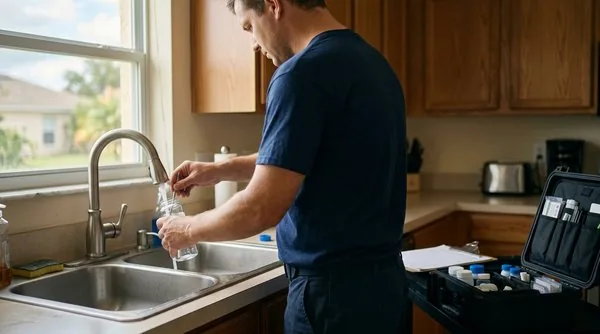
Professional water testing Palm Bay homeowners rely on gives you the specific data needed to choose the right filtration approach. Without that data, you are essentially guessing. Testing first, then filtering, is the logical order that actually protects your family.
Ready to find out exactly what is in your water? Reach out to J&S Air Quality Experts today to schedule professional water testing for your Palm Bay home and get the clear answers your family deserves.
Frequently Asked Questions
Does passing municipal standards mean my water is safe to drink?
Not necessarily. Municipal standards represent a legal baseline, but they do not account for what happens inside your home's pipes, seasonal contamination events, or emerging threats like PFAS that older regulations do not fully address.
What does water that smells musty or muddy indicate?
Musty or earthy odors are often linked to algal blooms or organic matter in the source water supply. In Palm Bay, this is frequently tied to seasonal rainfall and activity in Lake Washington. While it may not indicate immediate danger, it warrants testing to identify the specific cause.
Can my water have PFAS and still taste and smell normal?
Yes. PFAS compounds are odorless and tasteless at typical contamination levels. There is no sensory way to detect them. A professional water test is the only reliable method of identification.
How long does water testing take?
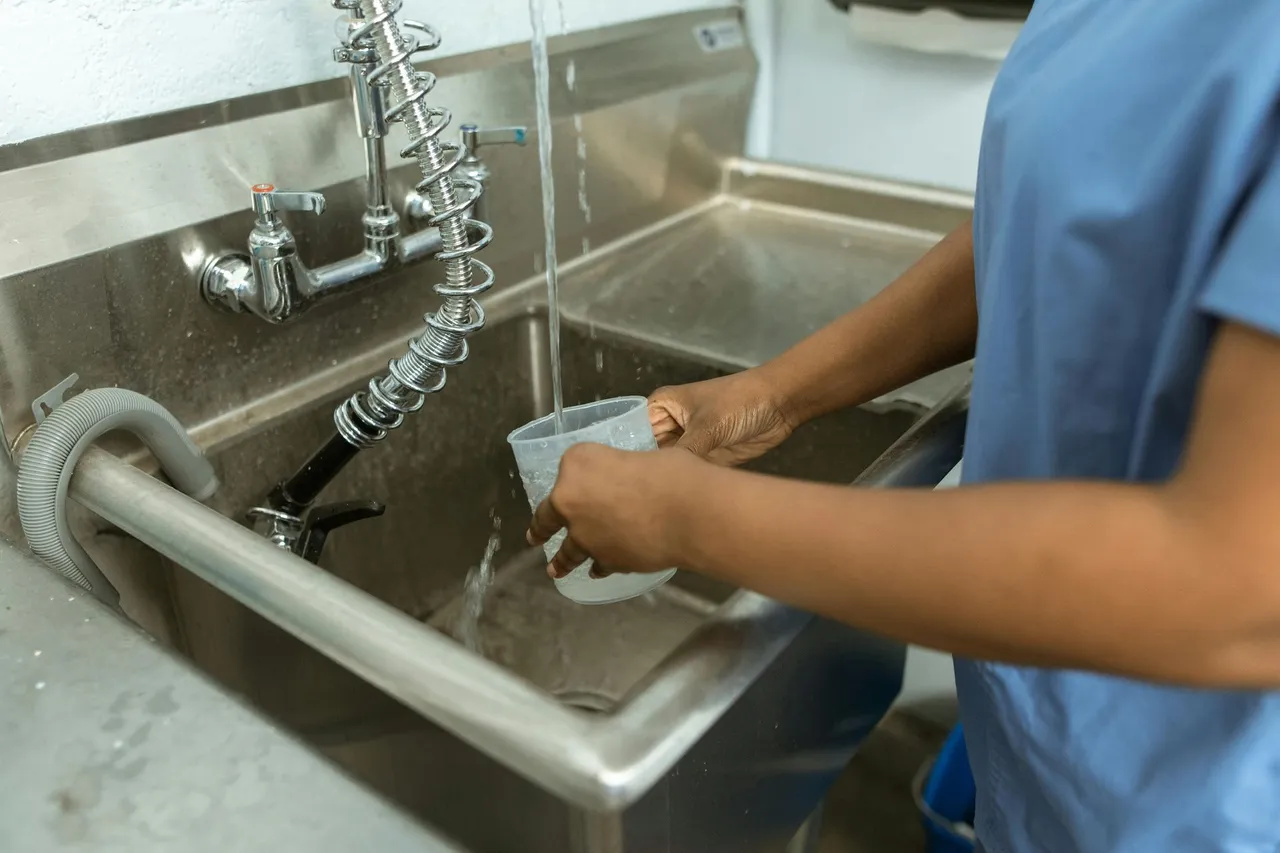
The collection process itself is quick, usually under an hour. Lab results typically return within a few days to a couple of weeks depending on the scope of the panel requested.
Is water testing worth it if I already use a filter?
Absolutely. Testing after installation confirms your filter is performing correctly and actually reducing the specific contaminants in your water. Many homeowners are surprised to discover their filter is not addressing their most significant issue.