

J&S Air Quality Experts
Indoor Air Quality Testing: What's Hiding in Your Air
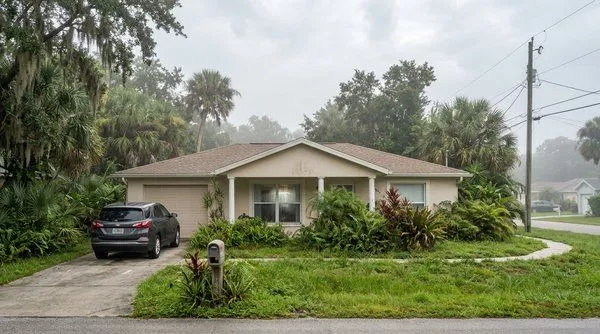
Most Palm Bay homeowners never suspect their indoor air could be more polluted than the air outside. That's the uncomfortable reality for many Florida homes in 2026, and professional indoor air quality testing is the clearest way to know what you're actually breathing.
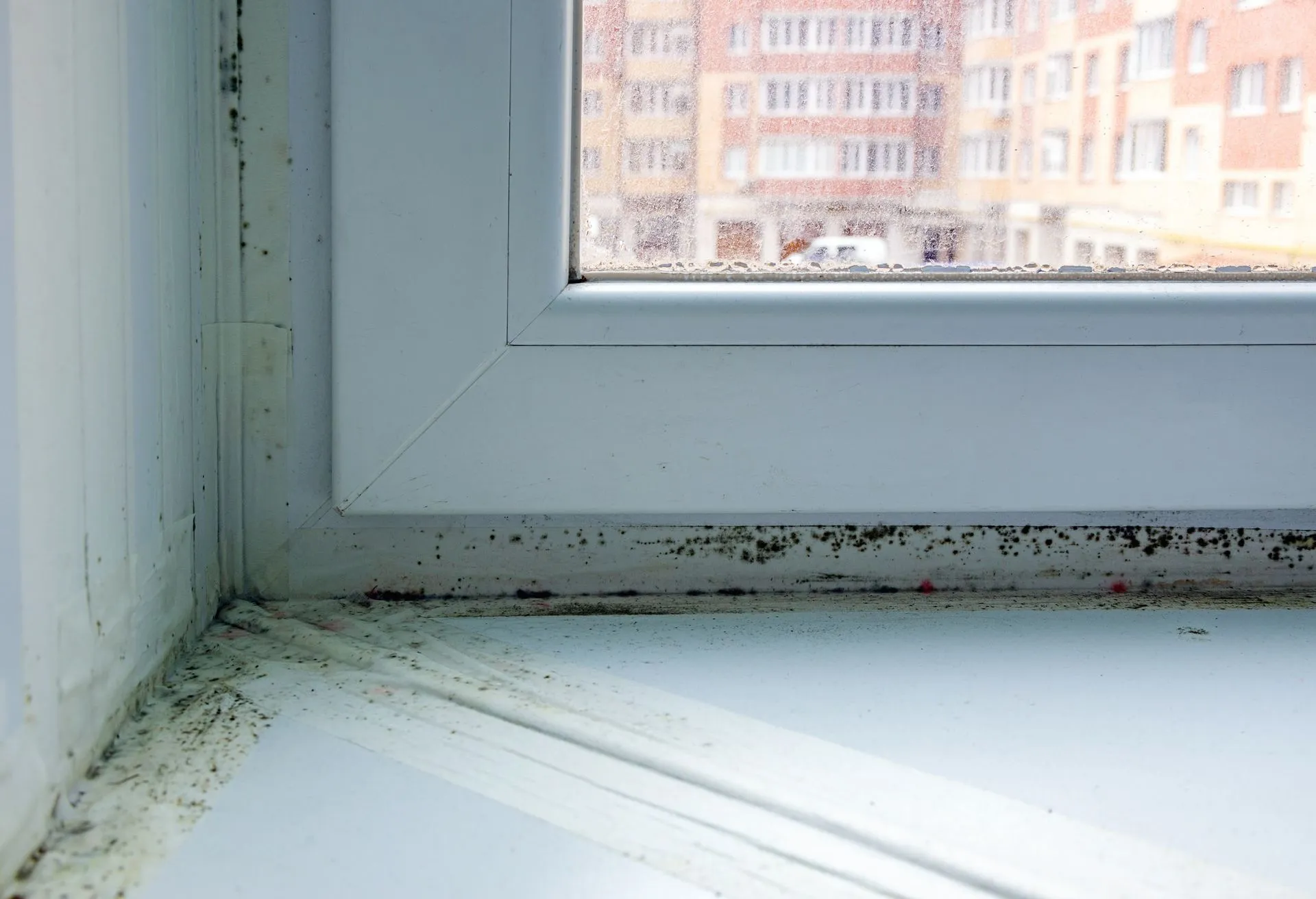
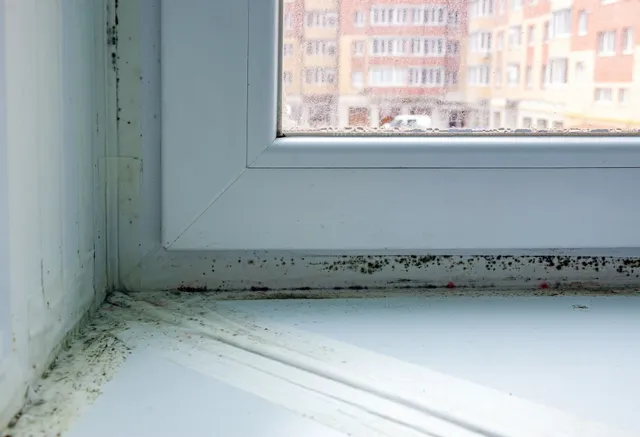
Florida's coastal humidity creates conditions that most other states simply don't face. Moisture seeps into walls, ductwork, and crawl spaces quietly and constantly. By the time symptoms appear, the underlying problem has often been building for months.
J&S Air Quality Experts helps Palm Bay and Orlando residents get clear, factual answers about what is circulating through their living spaces every single day.
Why Palm Bay Homes Face Unique Air Quality Risks
Palm Bay's climate is relentless. High humidity levels persist through long stretches of the year, and that moisture does not stay outside. It migrates into your home through gaps in windows, doors, and HVAC ductwork.
Here's what makes the local environment especially challenging:
- Coastal humidity: Moisture levels in Brevard County regularly create ideal conditions for mold growth inside duct systems and wall cavities.
- Wildfire and prescribed burn smoke: The surrounding Florida scrub landscape produces episodic smoke events that push fine particulate matter (PM2.5) indoors through standard window seals and filters.
- Aging HVAC systems: Duct systems that have never been inspected often harbor hidden mold, leaks, and debris that circulate allergens continuously.
- VOCs from building materials: Newer homes and recently renovated spaces frequently off-gas volatile organic compounds from paints, adhesives, and flooring.
Each of these factors compounds the others. A home with aging ducts, high humidity, and nearby wildfire smoke faces layered risks that no single fix can address.
The Hidden Duct Mold Problem Is Bigger Than Most Realize
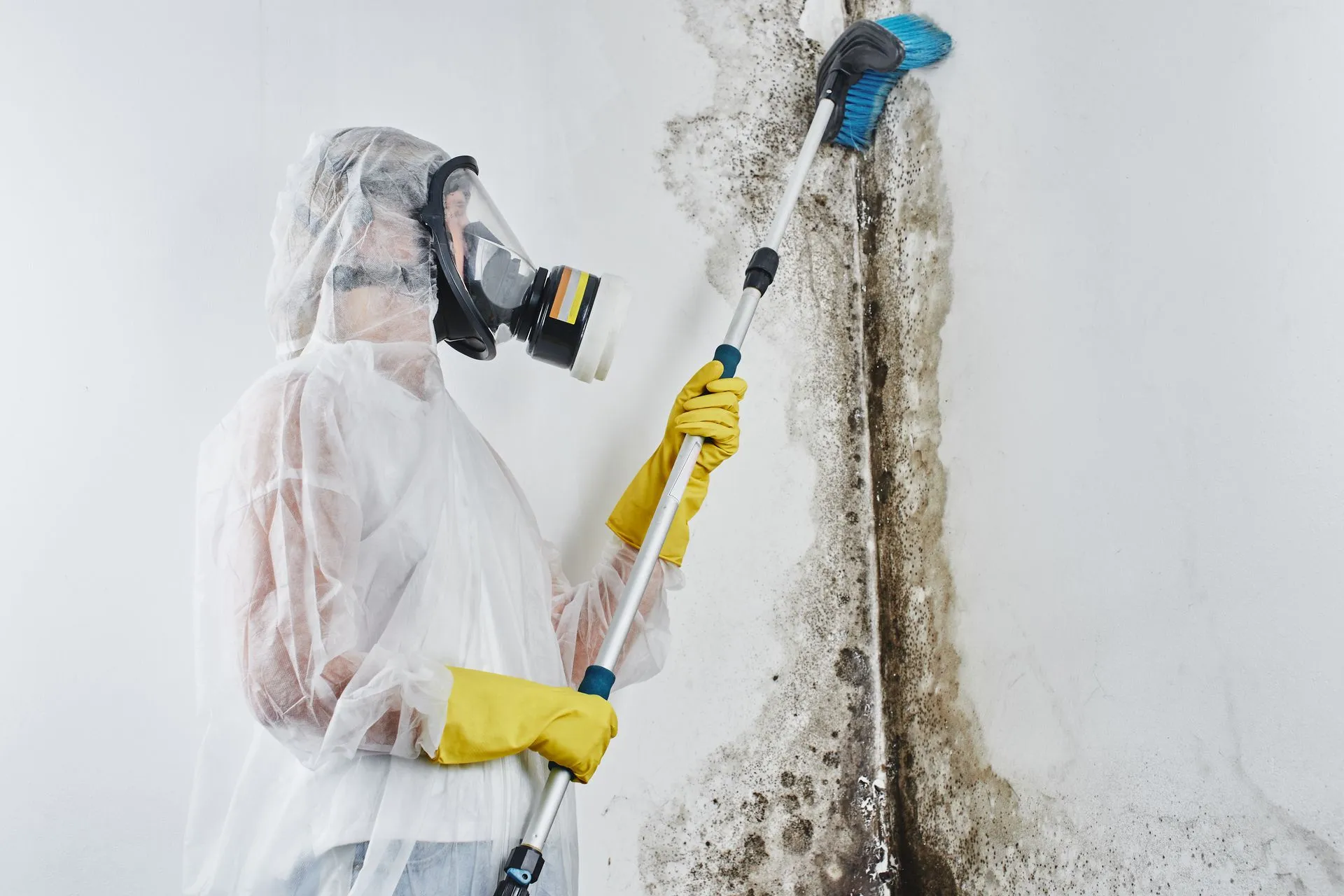
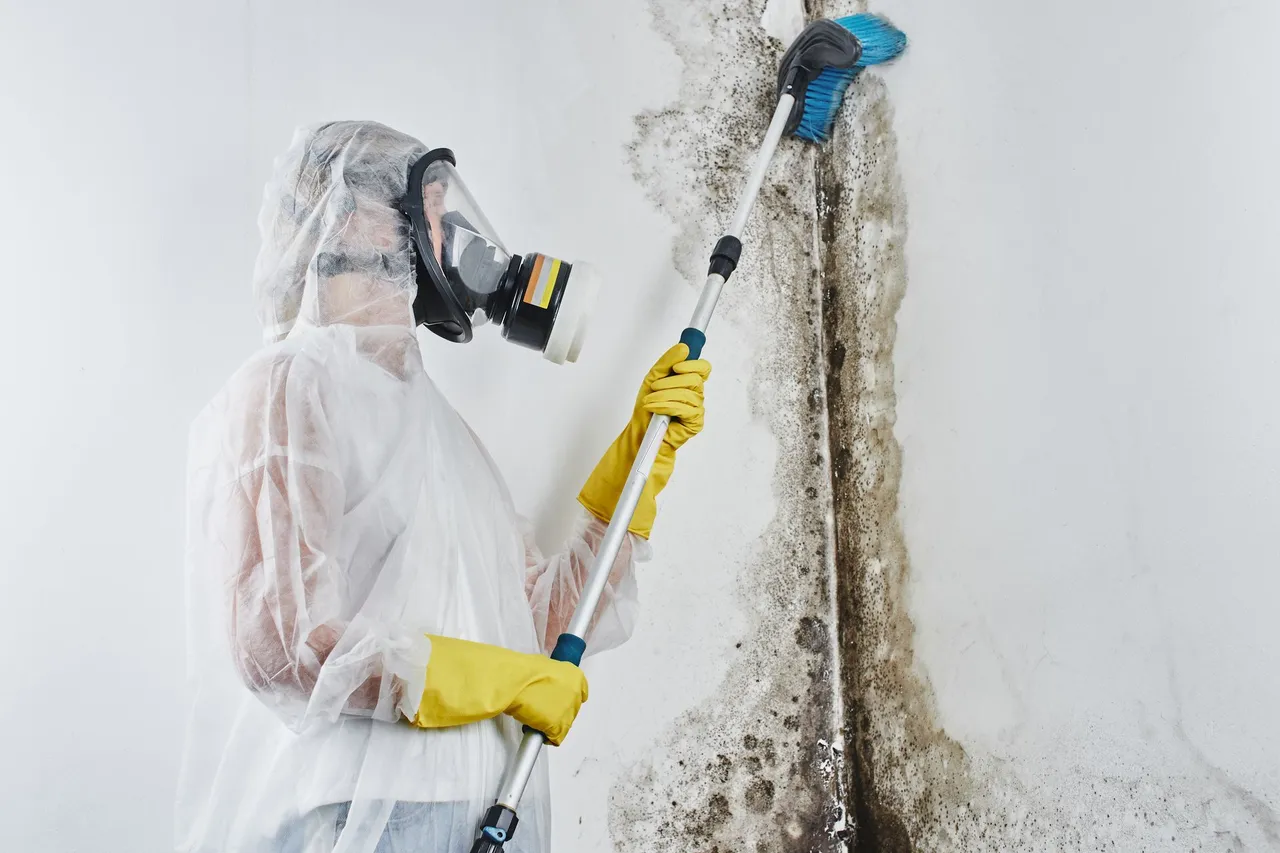
Regional air quality inspection data reveals a striking pattern: more than half of inspected duct systems in coastal Florida contain hidden mold, moisture, or leaks. That statistic applies directly to neighborhoods right here in Palm Bay.
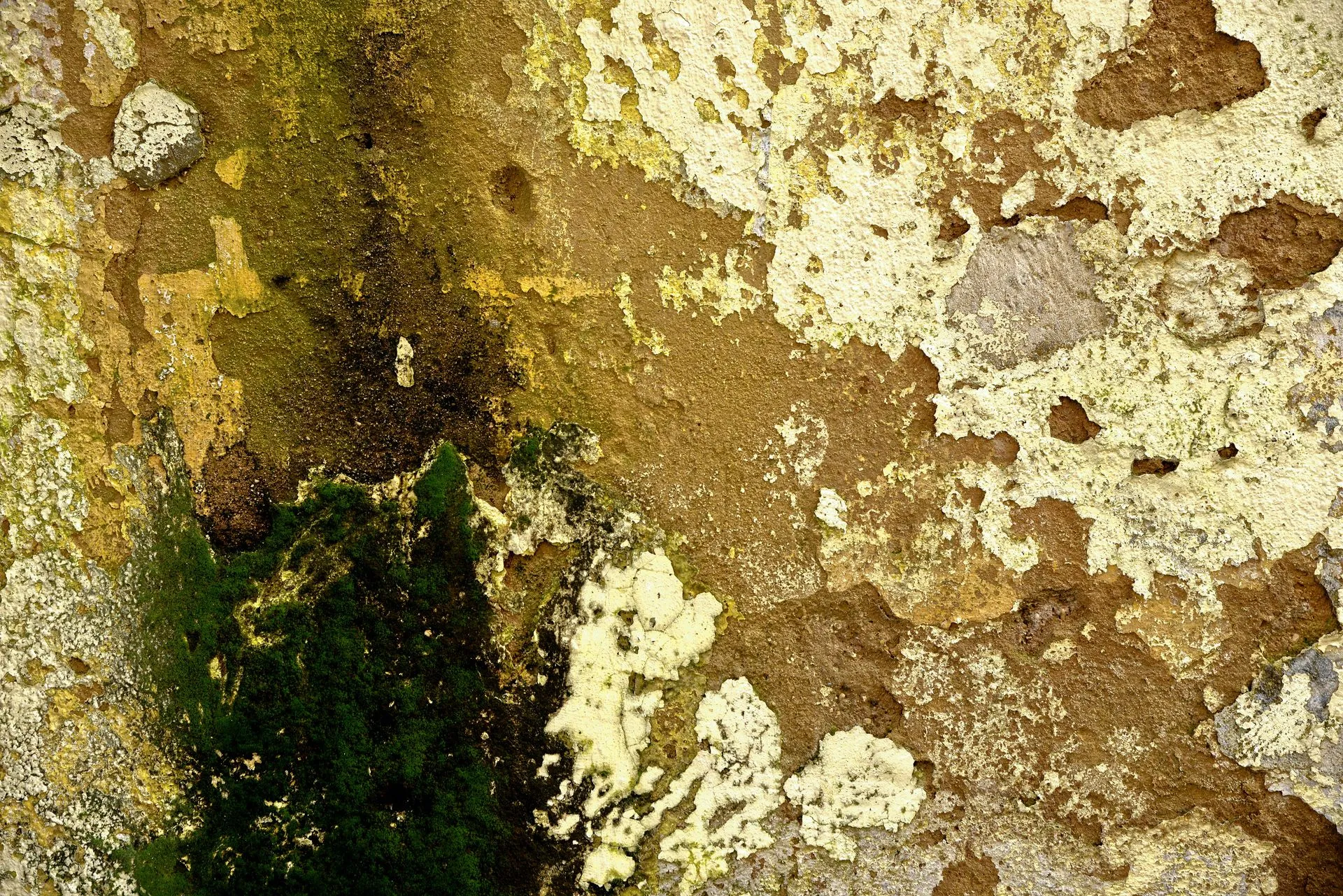
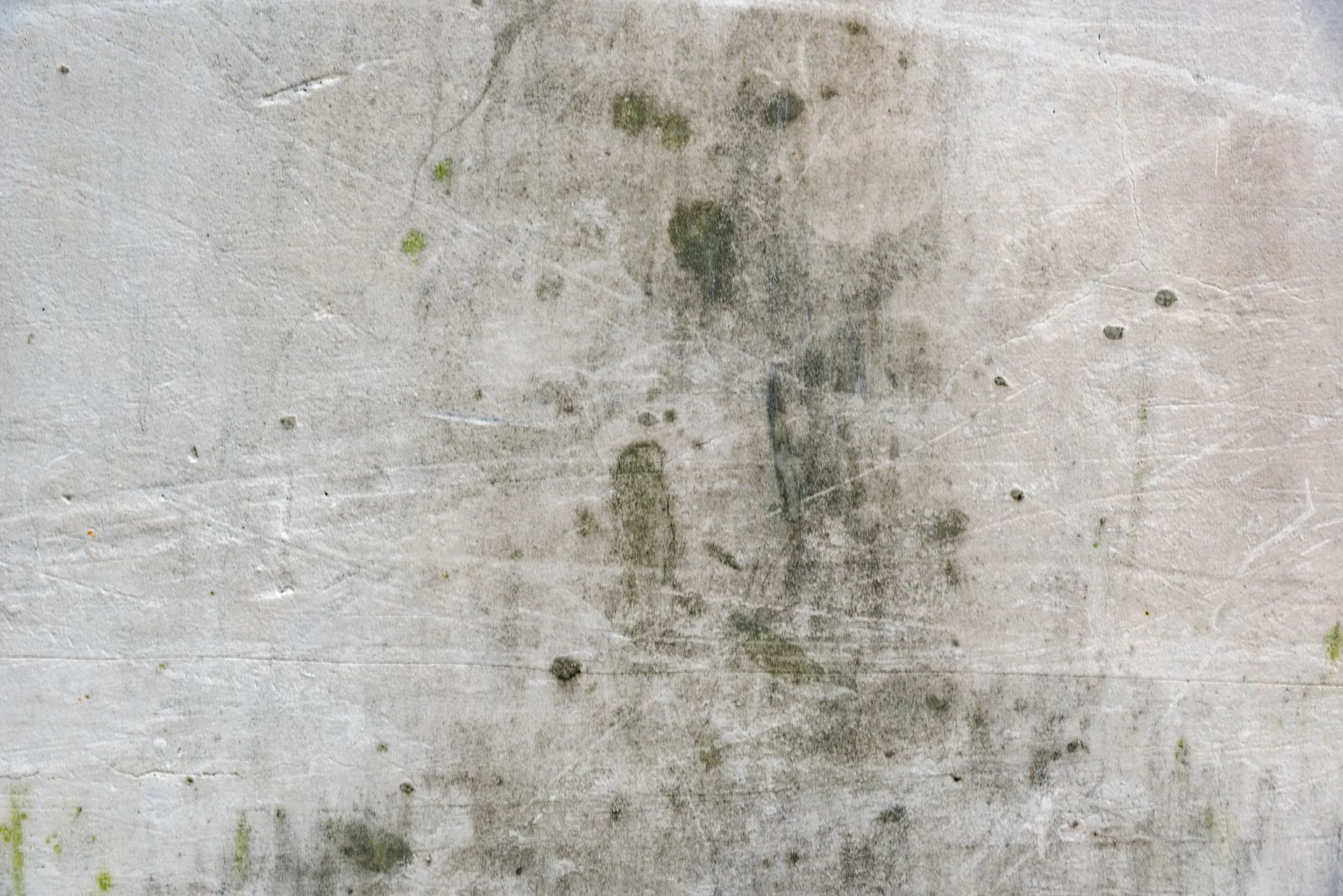
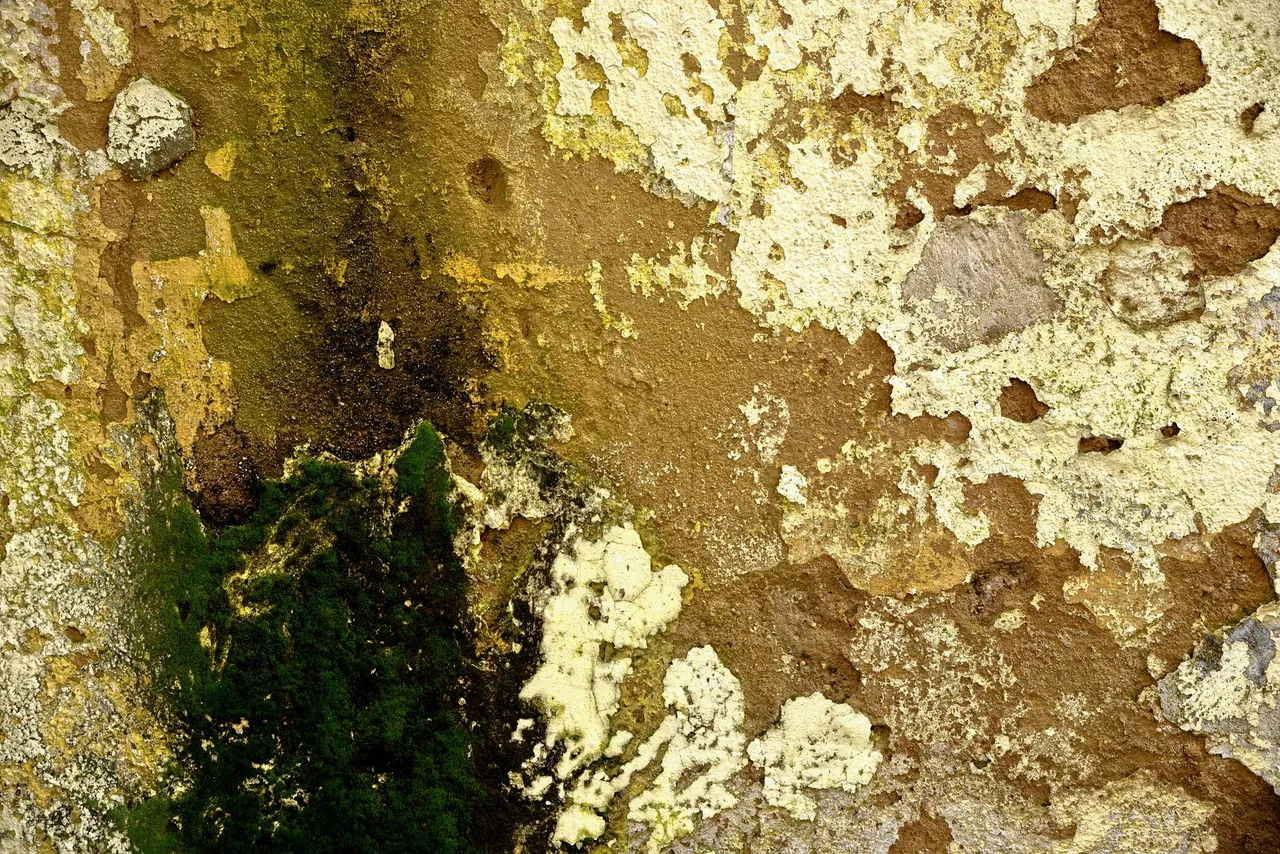
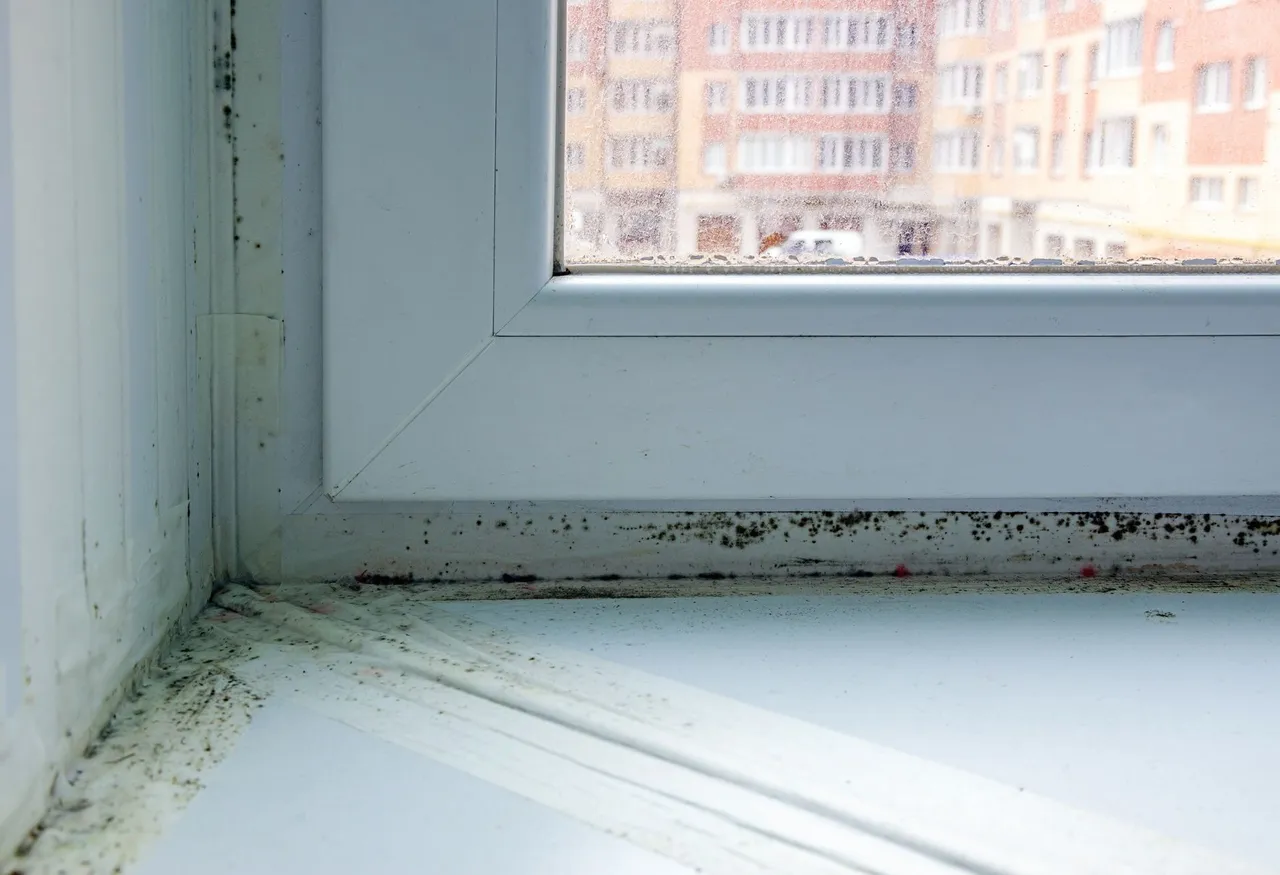
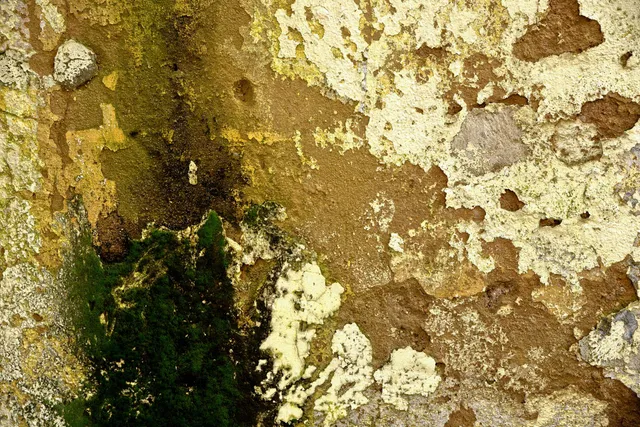
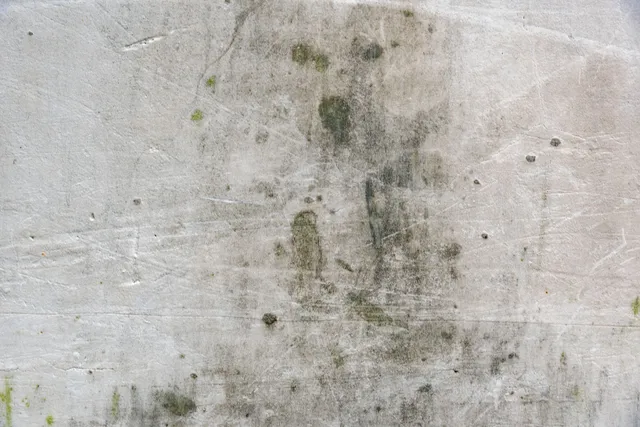
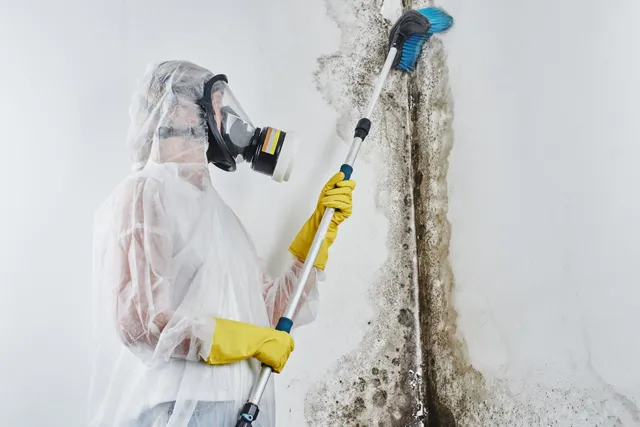
The danger is not just what you can see or smell. Mold spores are microscopic. Your HVAC system moves air through every room in your home. If mold has taken hold inside the ductwork, those spores travel with it.
Palm Bay mold allergy risk levels frequently reach "Extreme" or "Very High" on regional monitoring charts. That is not a coincidence. It is a direct result of the climate and the hidden contamination inside many local homes.
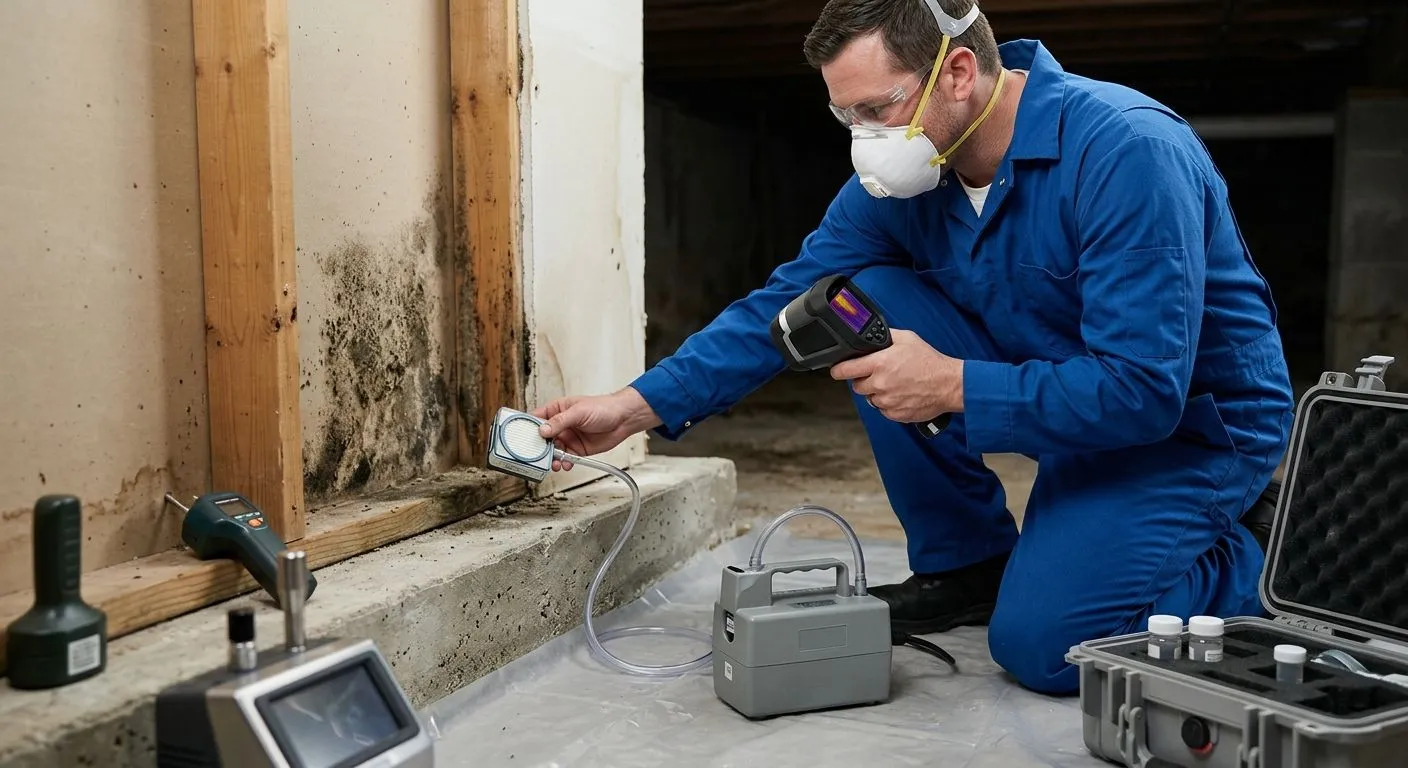
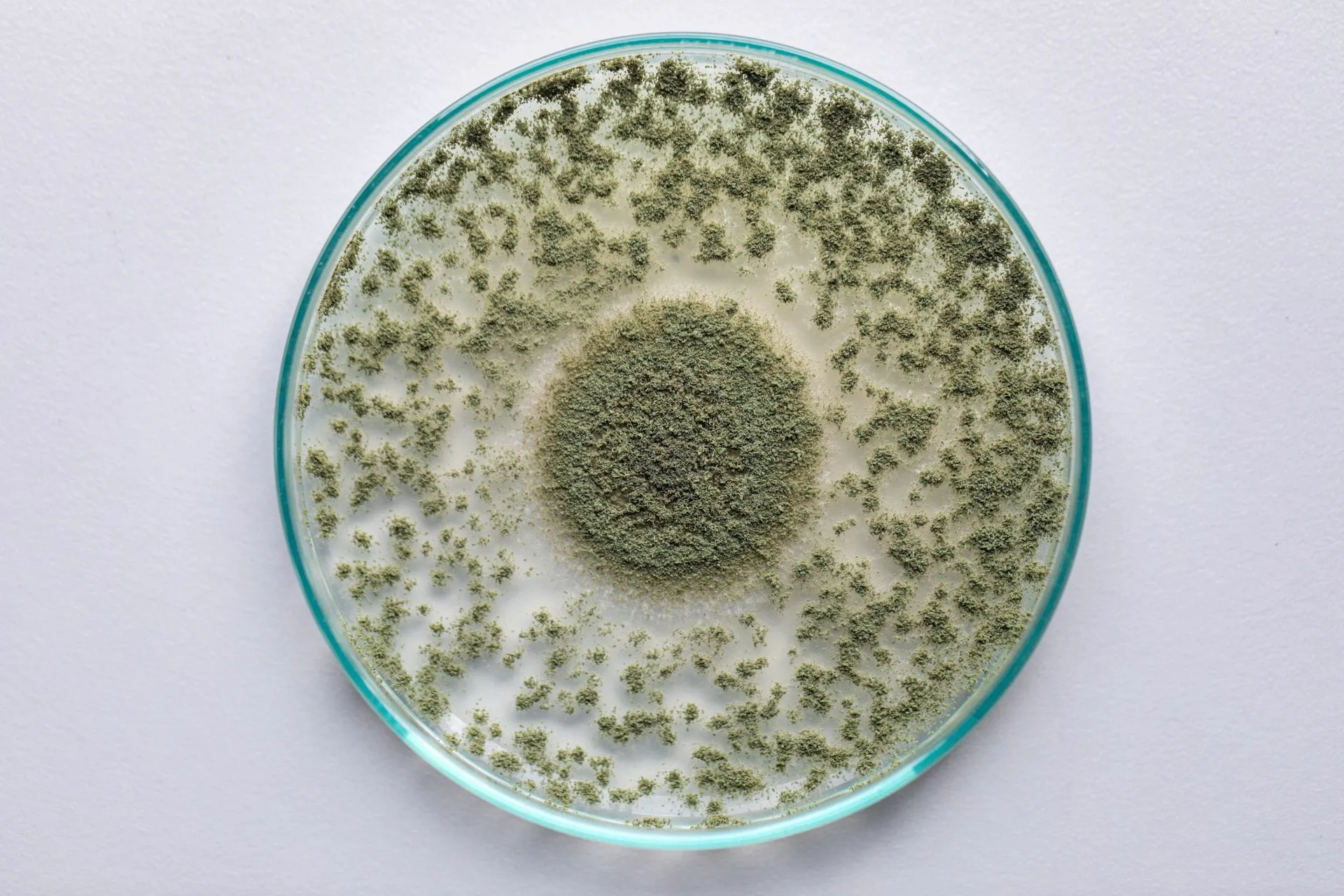
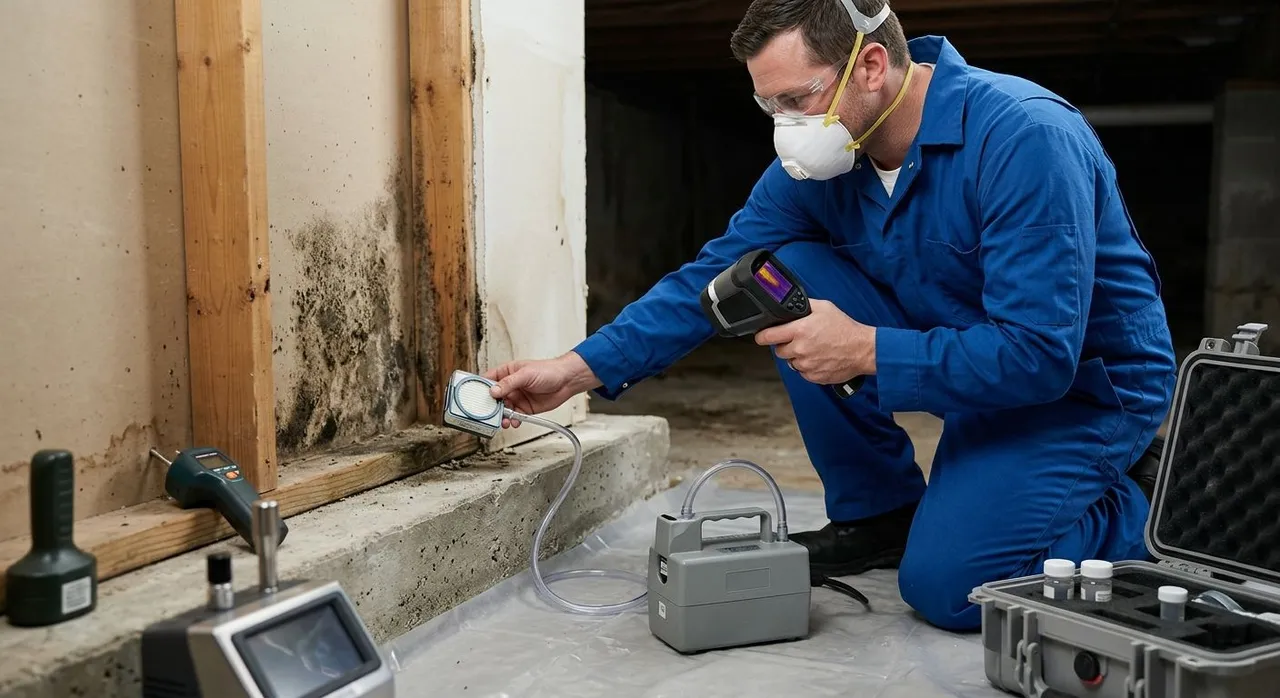
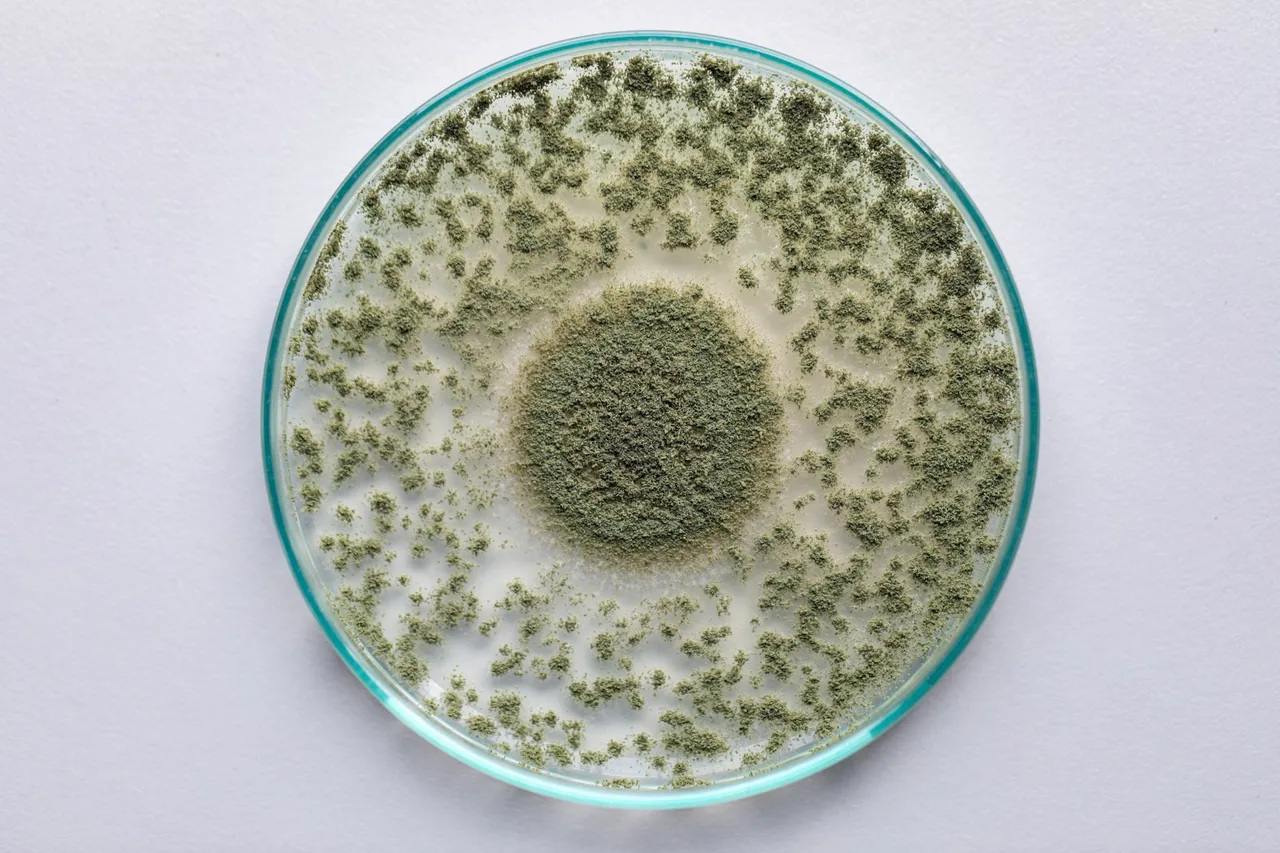
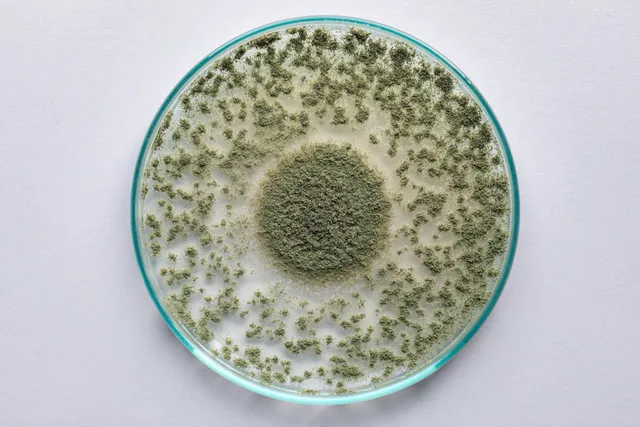
Professional indoor air quality testing identifies spore counts, species, and concentration levels. You cannot guess your way to that information.
What Volatile Organic Compounds (VOCs) Are Doing Indoors
VOCs are chemical gases released from everyday household products and materials. Paint, cleaning supplies, new carpeting, pressed wood furniture, and air fresheners all contribute to indoor VOC levels.
Short-term exposure causes headaches, eye irritation, and dizziness. Long-term exposure to high concentrations is linked to more serious health outcomes. In a well-sealed, energy-efficient Florida home, VOCs accumulate faster. Less outdoor air naturally dilutes them.
Testing measures the actual VOC load in your air. It identifies which specific compounds are present and at what levels. That information allows you to make targeted changes rather than just guessing at the source.
Wildfire Smoke: A Serious Indoor Concern in 2026
This year, Florida's prescribed burn season and scrub wildfire activity have continued to affect air quality across Brevard County. Most residents close their windows during visible smoke events. That step helps, but it does not fully protect indoor air.
Fine particulate matter, or PM2.5, is small enough to pass through standard AC filters and window seals. Once inside, these particles settle into carpets, upholstered furniture, and ductwork. They do not simply disappear when the smoke clears outdoors.
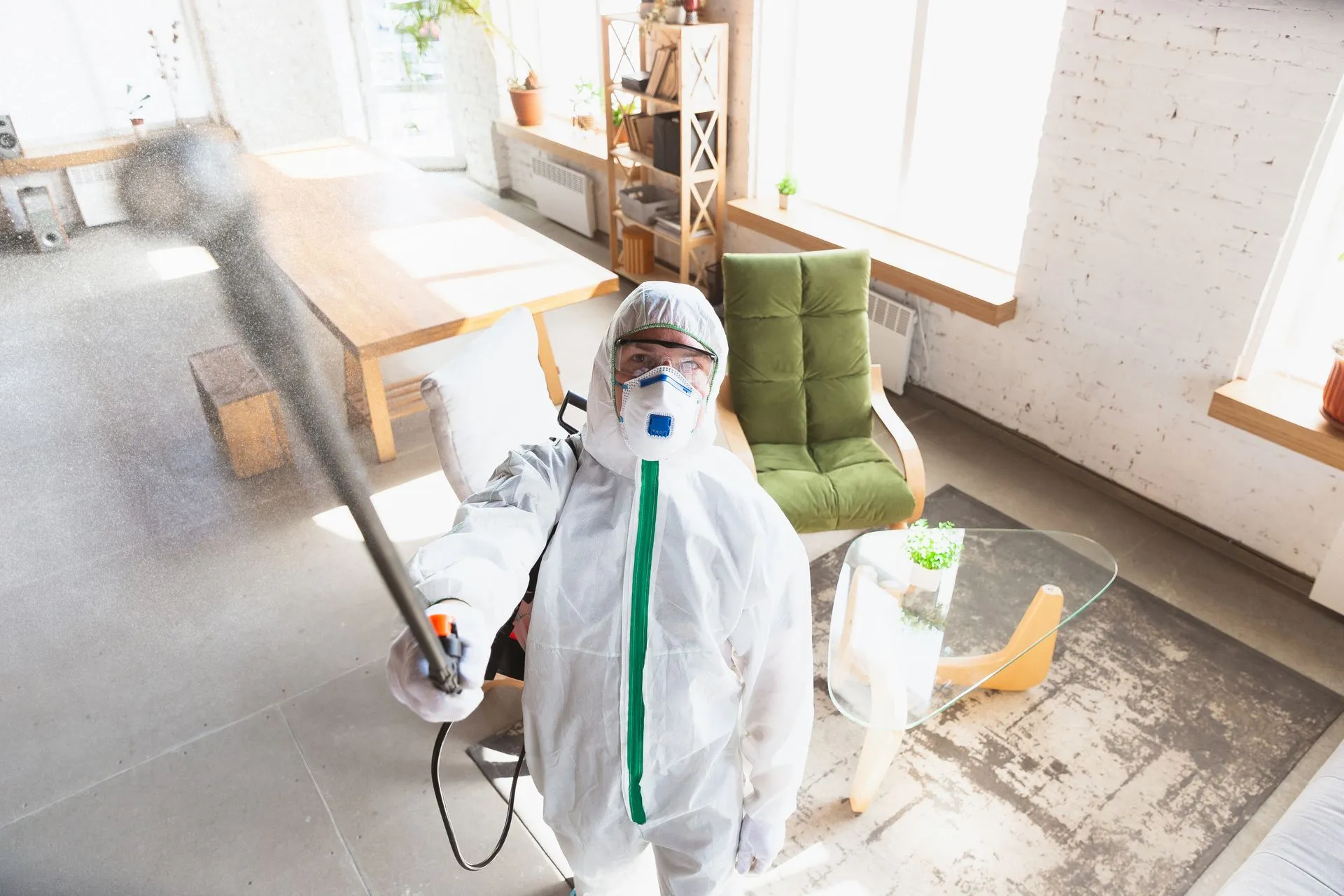
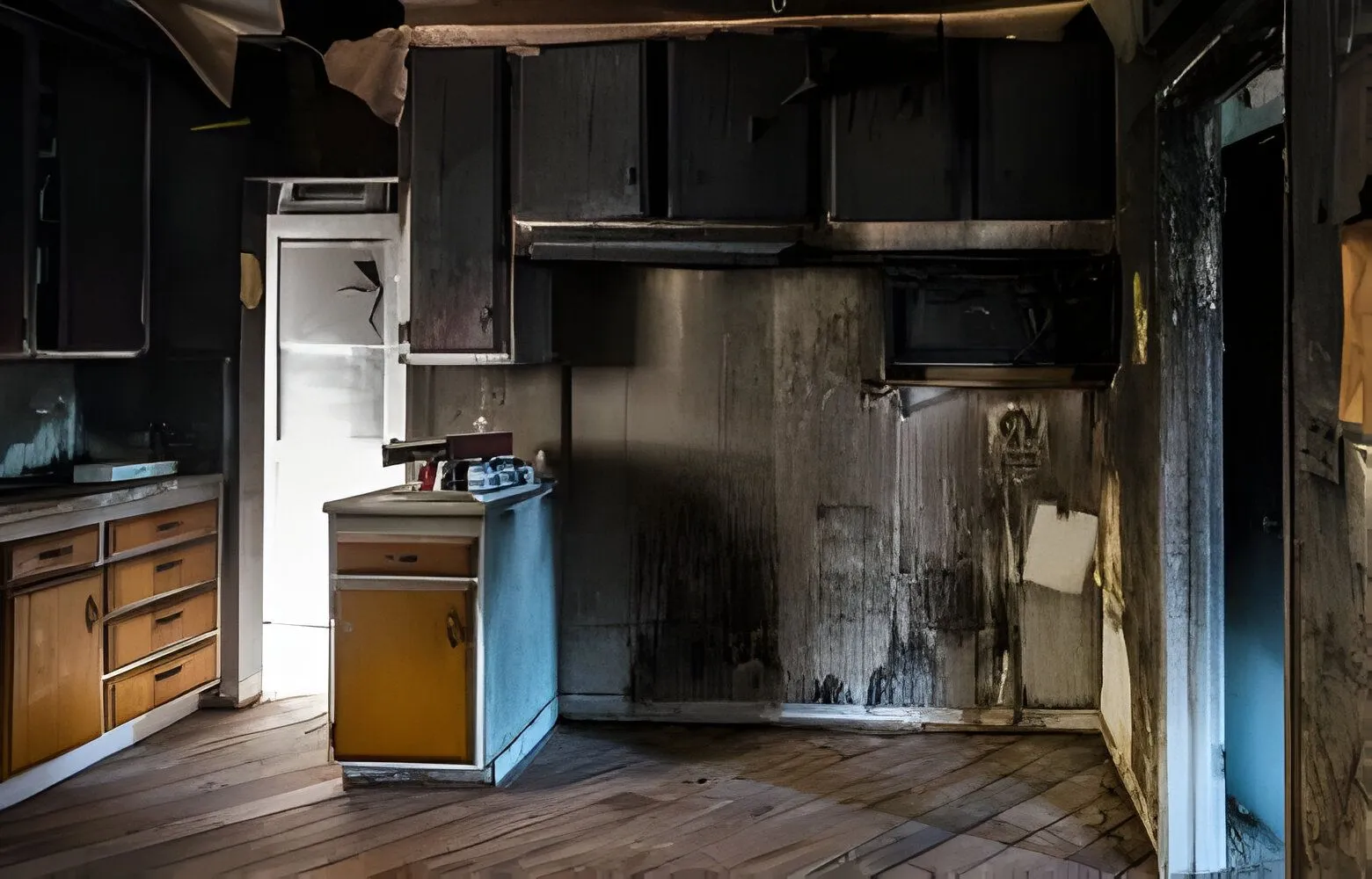
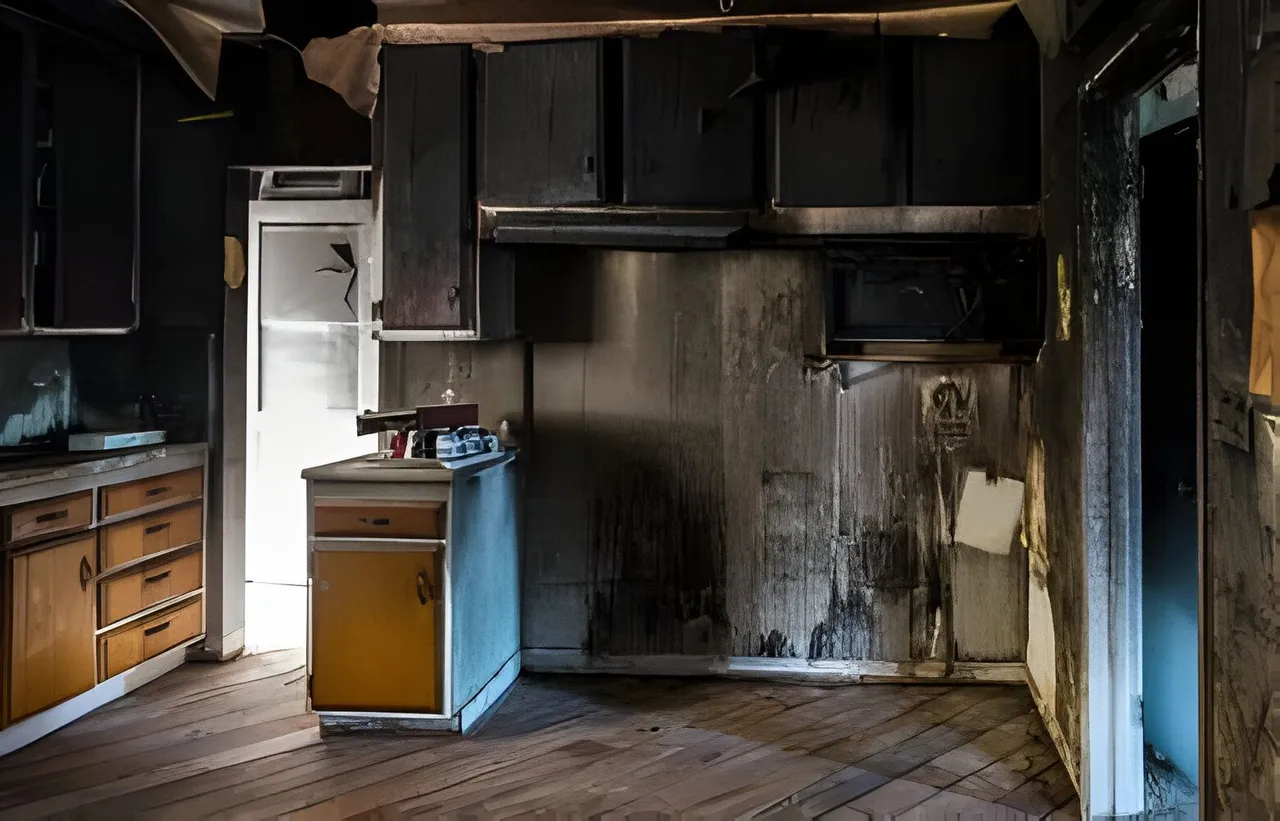
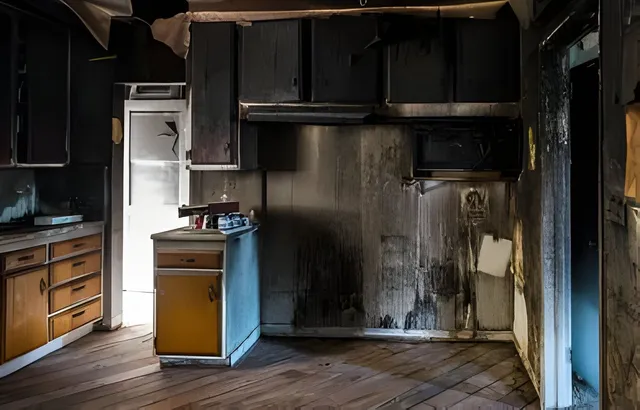
Persistent throat irritation, eye redness, and a lingering smoky odor after a nearby burn are all signs that particles have settled inside your home. Fire and smoke testing documents what is present. This matters especially for insurance claims or deciding on deep cleaning priorities.
Proactive Testing: The 2026 Standard for Smart Homeowners
The approach to air quality management has shifted dramatically. Historically, residents called for testing only after a visible mold outbreak or a serious health episode. That reactive model is expensive and avoidable.
Preventative indoor air quality testing now functions like a routine health checkup for your home. You schedule it before problems become emergencies, not after. The data you receive tells you where humidity levels are climbing, where VOC concentrations are concerning, and whether mold spore counts are trending upward.
For Palm Bay homeowners, this means catching a moisture problem inside ductwork before it becomes a full mold remediation project. It means verifying that your family's air is genuinely safe, not just assuming it is.
Your home's air deserves the same attention as any other part of your health routine. If you are ready to find out what is actually circulating through your Palm Bay home, reach out to the team at J&S Air Quality Experts to schedule your
professional indoor air quality testing today.
Frequently Asked Questions
How often should I schedule indoor air quality testing in Palm Bay?
Annual testing is a reasonable baseline for most Palm Bay homes. Homes near water, with older HVAC systems, or that recently experienced flooding or fire smoke exposure benefit from more frequent checks.
What does an indoor air quality test actually measure?
A professional test measures mold spore counts, VOC concentrations, particulate matter levels, humidity, and in some cases specific allergens. The scope depends on your concerns and the type of testing selected.
Can I just buy a home air quality monitor instead?
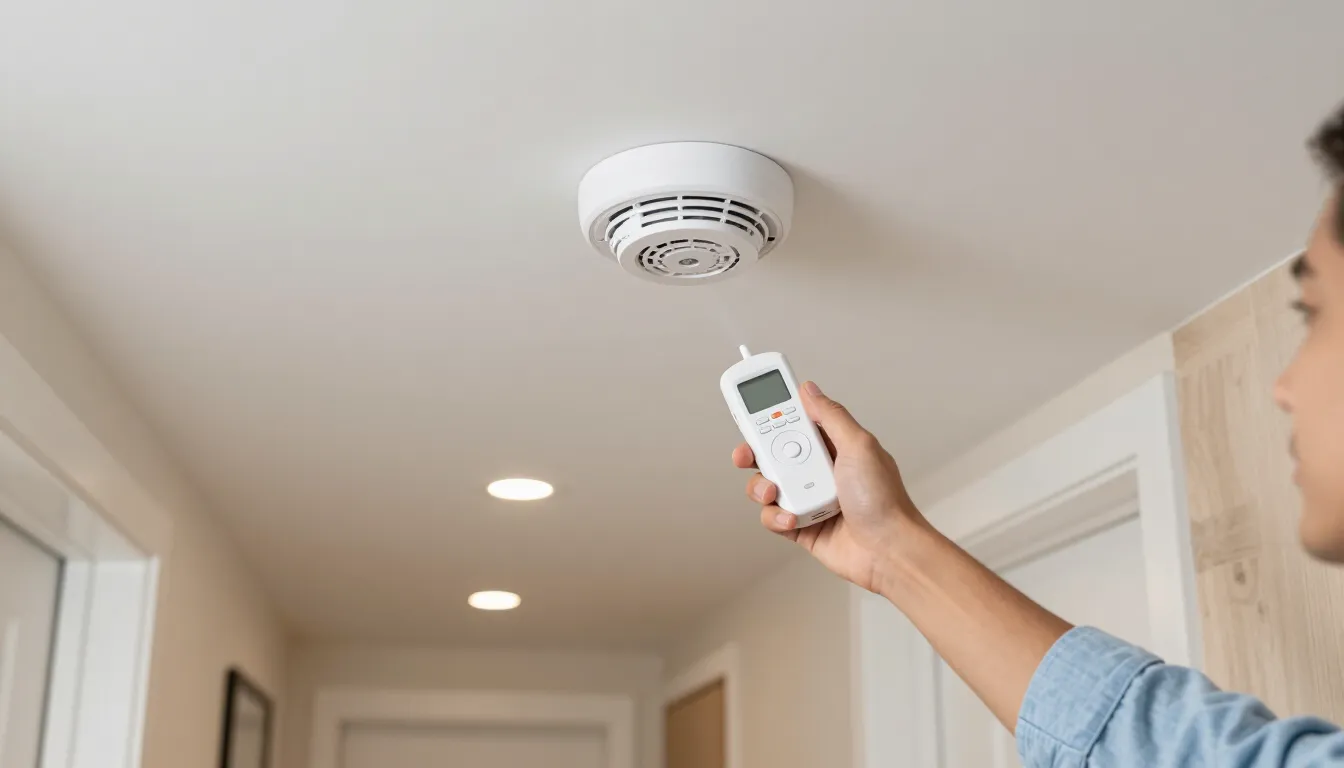
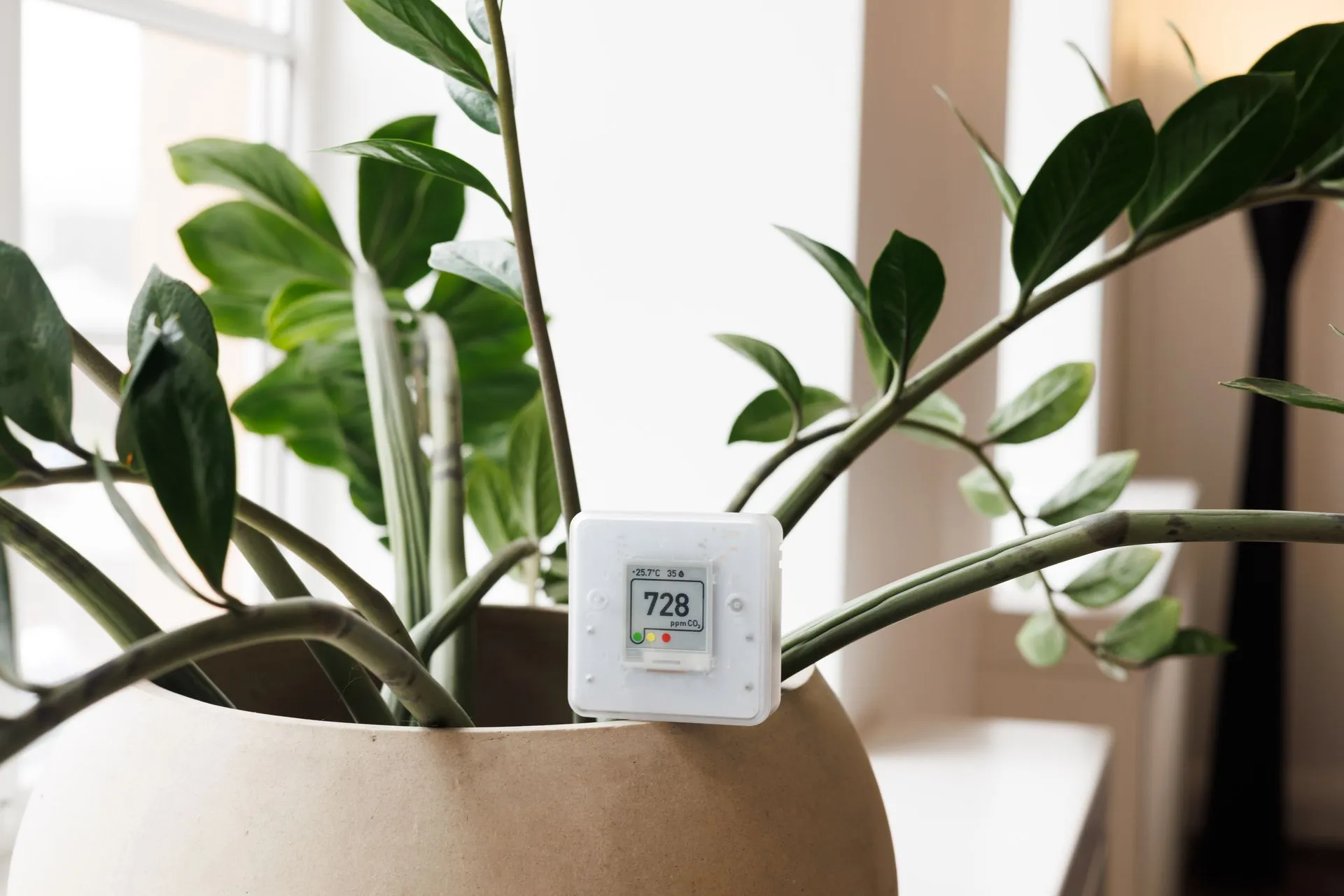
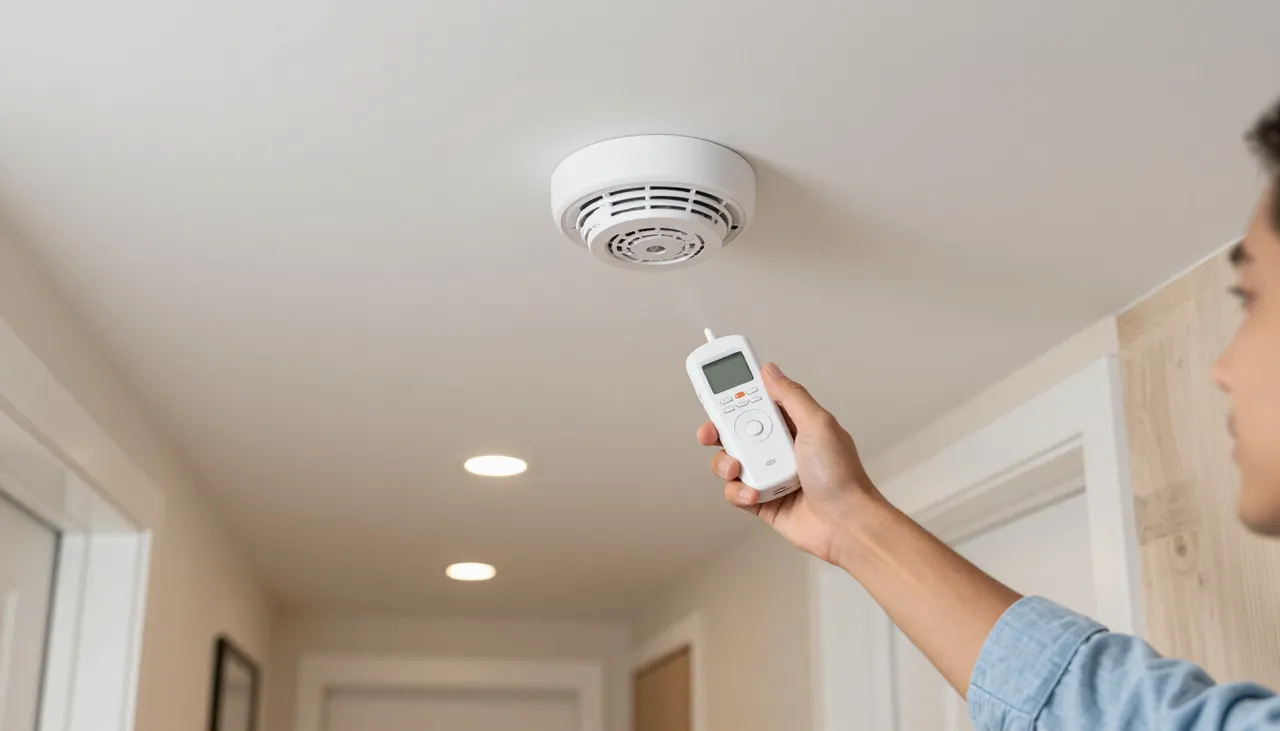
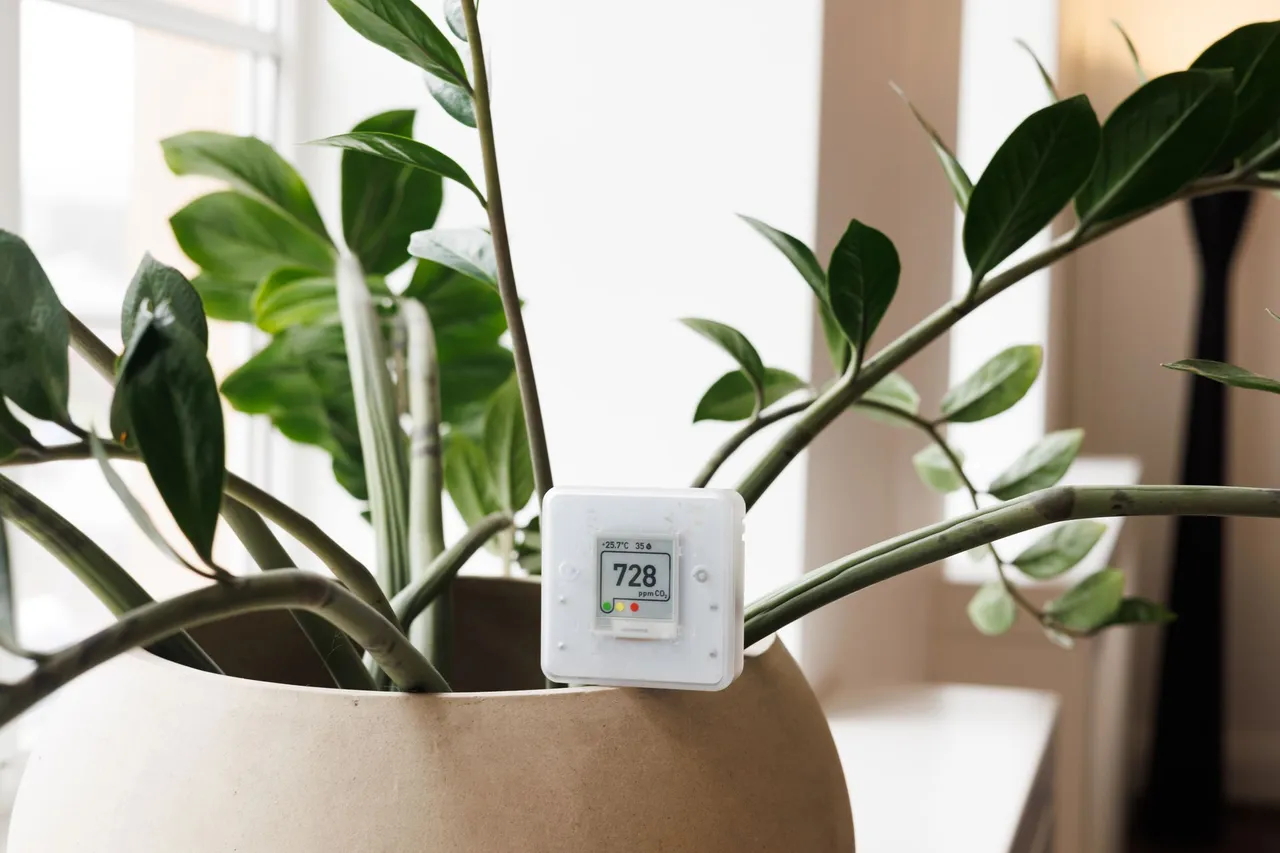
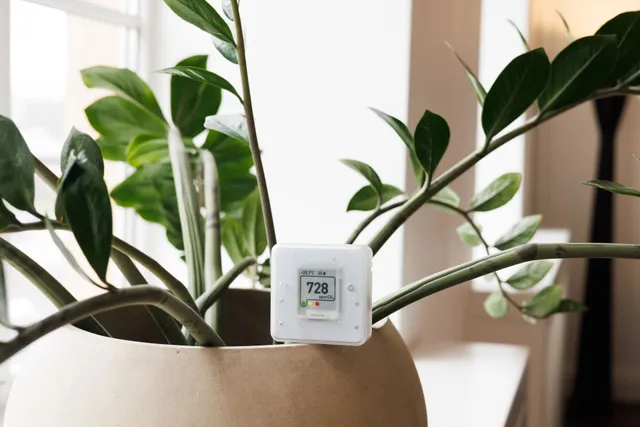
Consumer monitors provide general readings for some pollutants. They do not identify mold species, detect specific VOCs at meaningful detail, or provide documentation usable for insurance or remediation purposes. Professional testing delivers far more specific, actionable data.
Is air quality testing disruptive to my home or daily routine?
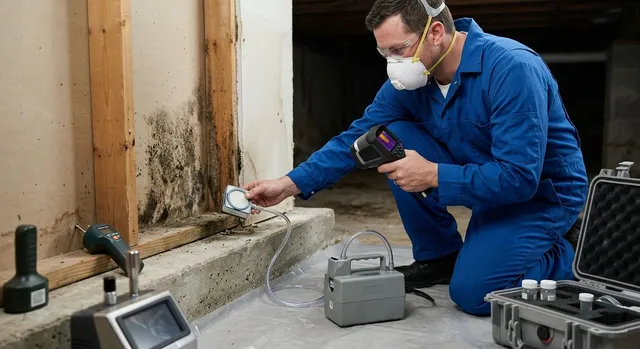
No. Professional air quality testing is non-invasive. Inspectors collect air and surface samples, which takes a few hours at most. There is no demolition or major disruption involved.
What should I do if my test results show elevated mold spores or VOCs?
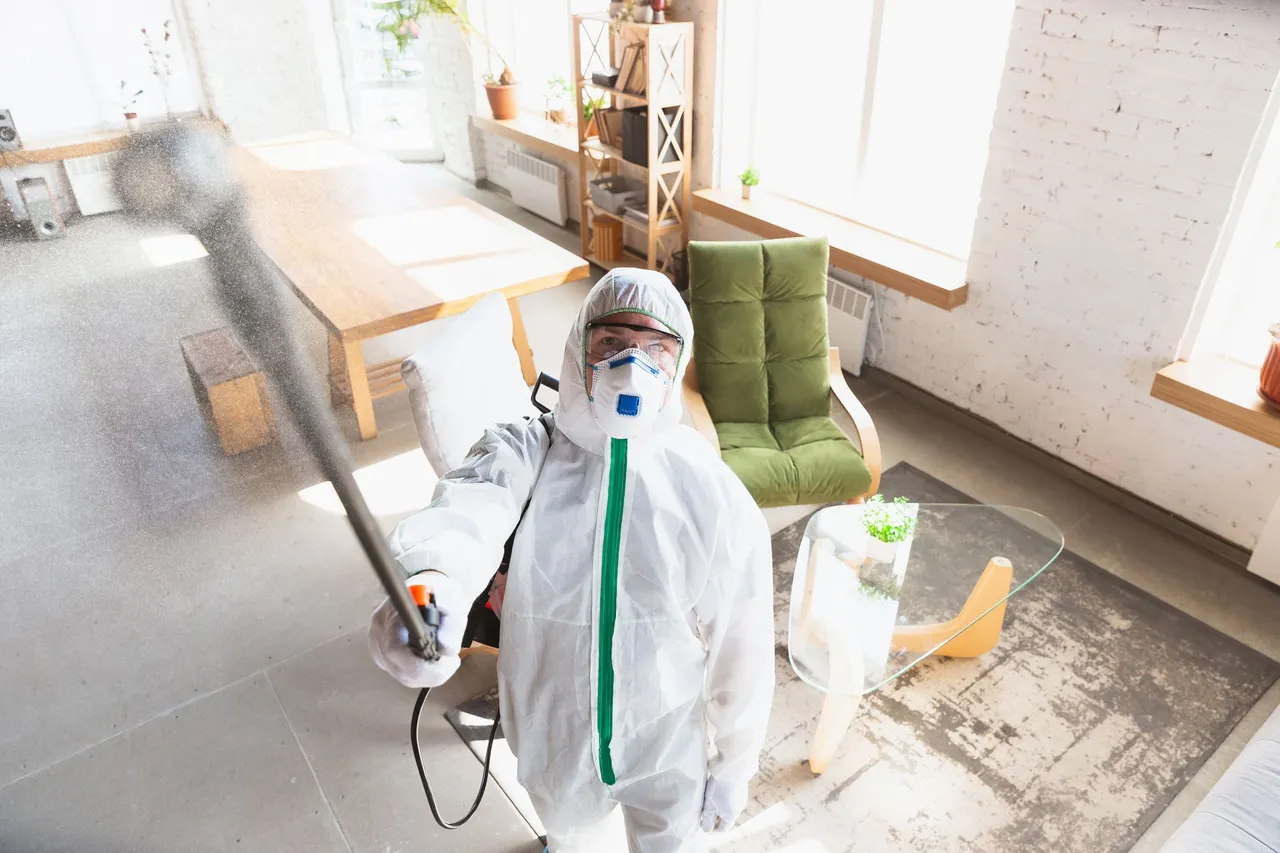
Your testing report will outline the findings in detail. From there, a remediation specialist can address the identified source. Testing itself does not fix the problem, but it tells you exactly what you are dealing with and where.