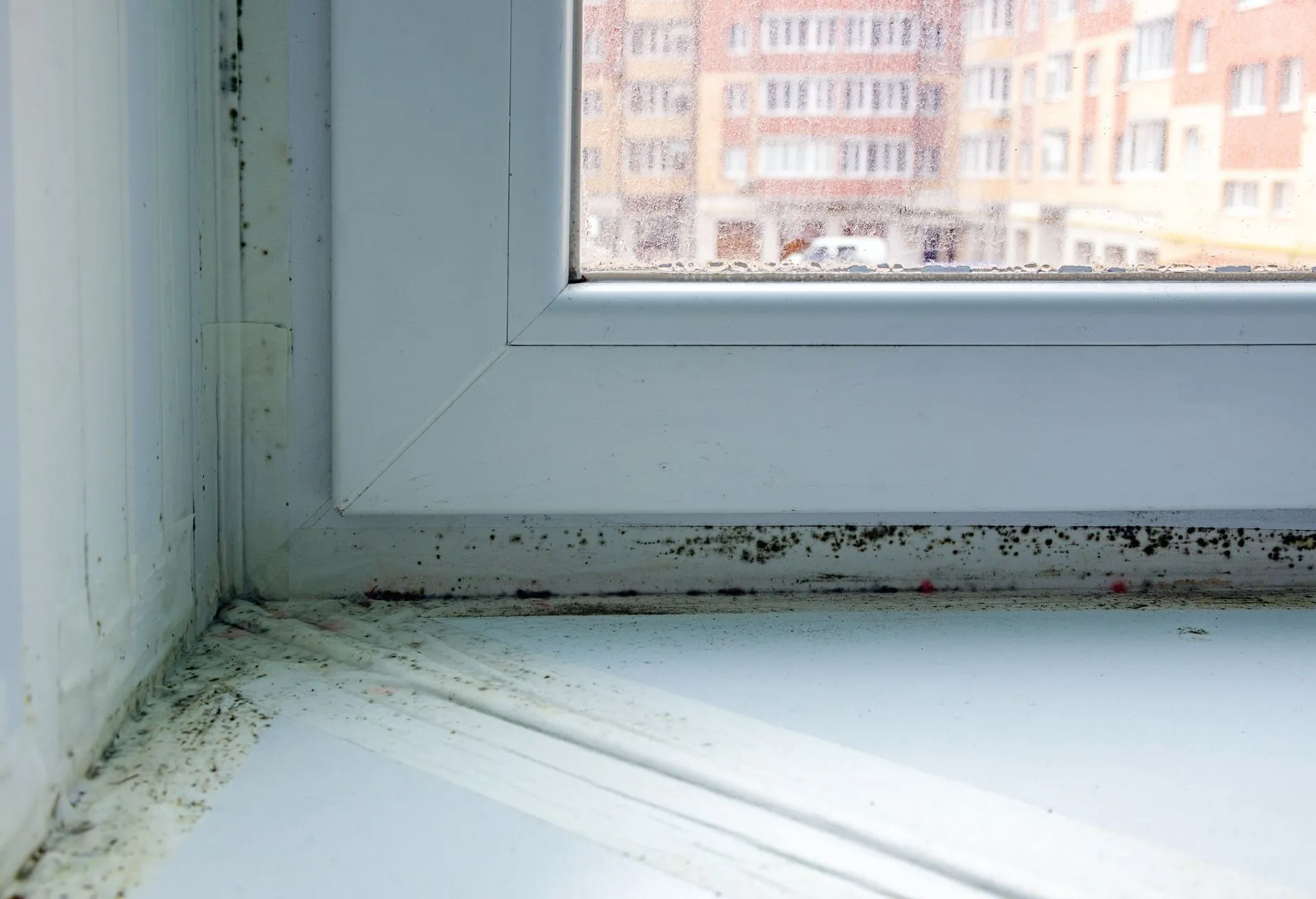



Mold testing in Palm Bay matters most in the one spot homeowners almost never check: the air handler closet. That small, enclosed space behind a louvered door is often the first place moisture collects, and the last place anyone thinks to look. By the time a musty smell reaches the living room, spores have usually been circulating for weeks.
The area's climate makes this an everyday risk, not a rare one. With the AC running nearly year round, condensation, clogged drain lines, and humid air handler closets create ideal breeding conditions. November brings slightly cooler air, but humidity still lingers across the region, so cooling systems keep cycling and moisture keeps forming.
The AC Closet: A Hidden Humidity Trap
Many single-story CBS homes in older Palm Bay neighborhoods place air handlers in interior closets with short return ducts. These tight spaces have limited airflow and little natural light, which means early moisture problems go unnoticed. A minor drain line clog or a hairline stucco leak can quietly raise humidity inside the closet.
Once humidity climbs, conditions become favorable for mold like Aspergillus, Penicillium, or Stachybotrys to take hold. These spores don't stay put. Every cooling cycle pushes air, and potentially spores, directly into bedrooms and common living areas.
Why This Risk Doesn't Go Away in Cooler Months
It's tempting to assume mold risk fades once the heat of summer passes. In reality, homes in the area rarely get a true break from humidity, even heading into the cooler stretch of the year. Sealed, energy-efficient homes built along growing corridors trap moisture just as easily in November as they do in July.
Indoor air pollutant levels inside tightly sealed homes can run far higher than the air outside. Since most residents spend the vast majority of their time indoors with the AC on, that recirculated air matters. A short-cycling unit or a single clogged line can push indoor humidity above the threshold where spores multiply rapidly and invisibly.
Signs Your Ductwork May Be Spreading Spores
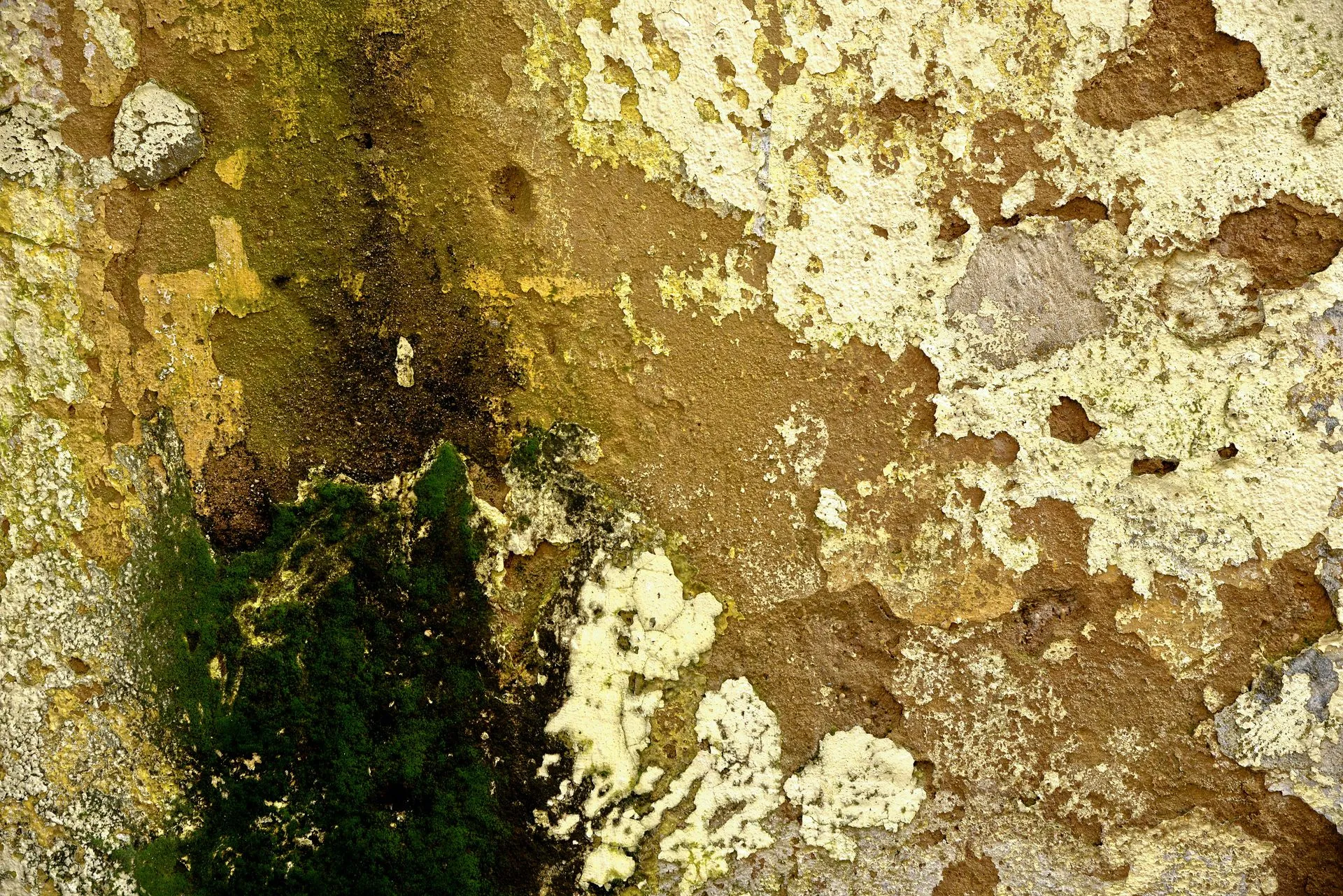
Visible mold is the obvious warning sign, but it's often the last one to appear. Watch for these earlier indicators instead:
- A persistent musty or earthy odor near vents, even without visible staining
- Unexplained allergy symptoms, coughing, or sinus irritation that ease when you leave the house
- Visible moisture, rust, or staining around the air handler closet door or baseboards
- Inconsistent cooling or an AC unit that runs longer than it used to
- Condensation pooling near the drain pan or closet flooring
Any one of these on its own isn't proof of a problem. Together, they're a strong reason to schedule professional testing before the issue spreads further.
Why Mold Testing in Palm Bay Shouldn't Be a Guessing Game
Dampness and indoor mold exposure are linked to a meaningful share of current asthma cases, and exposure can raise the risk of developing asthma substantially. That's not a small concern for households with children, older adults, or anyone with respiratory sensitivities. Guessing based on smell or a quick visual check simply isn't reliable enough to rule out a real problem.
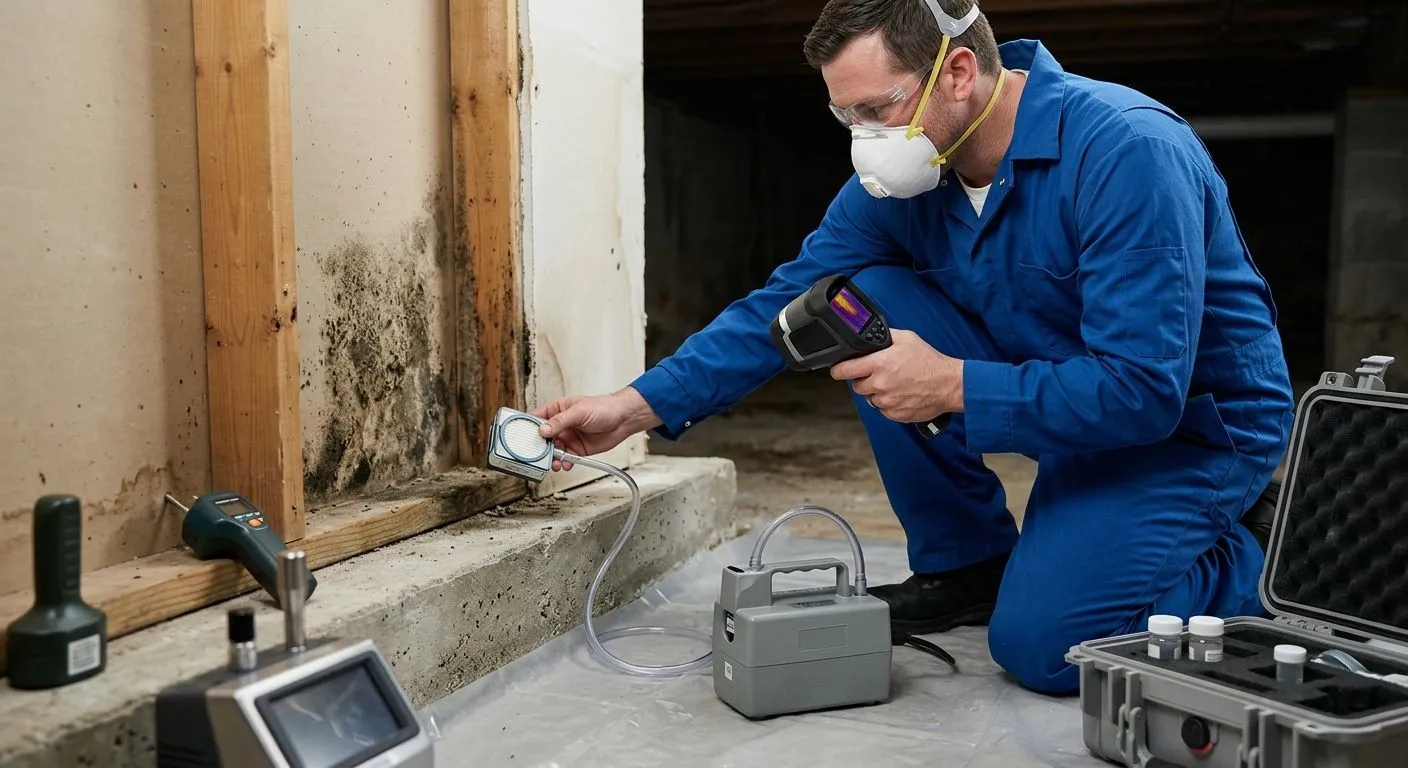
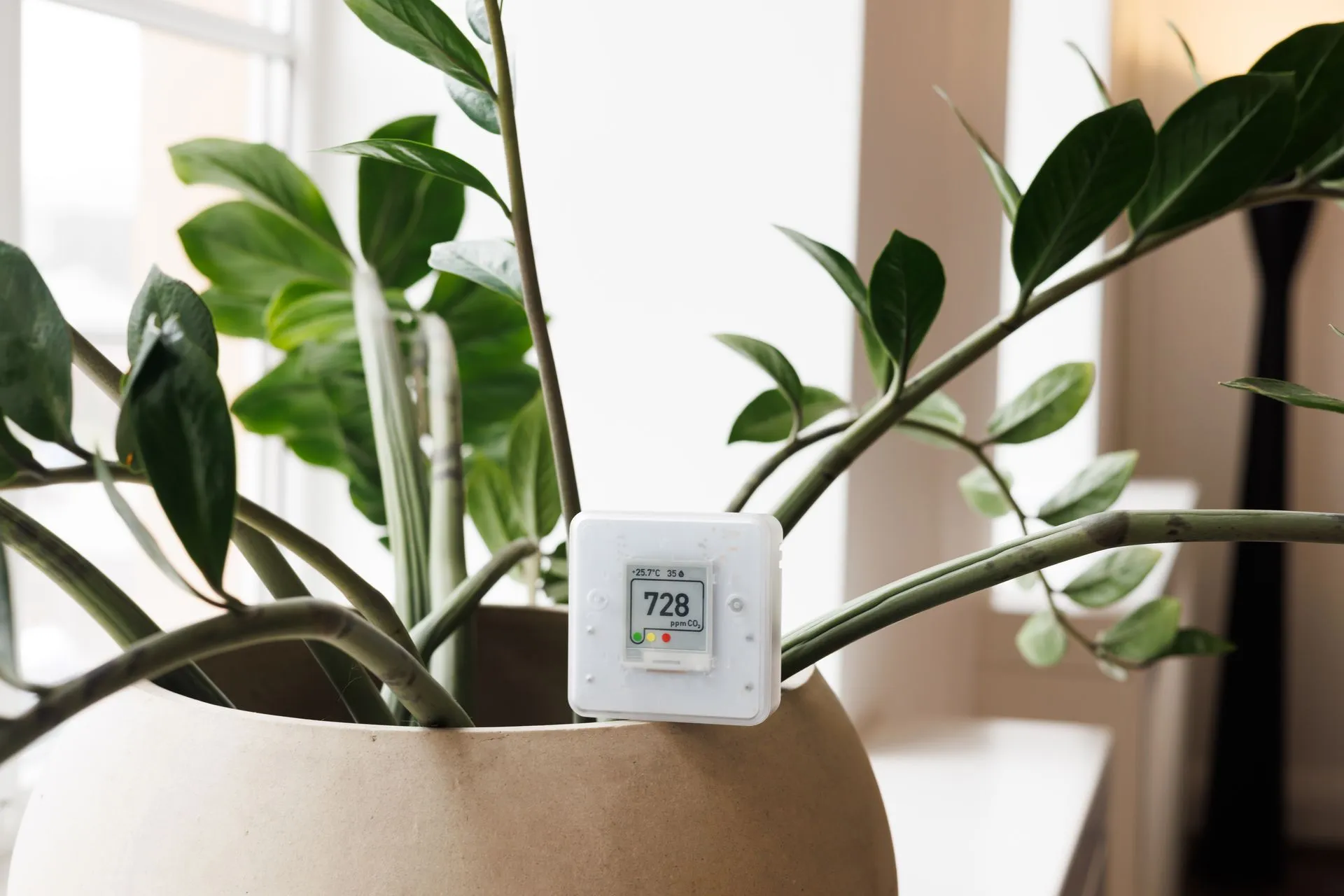
Professional mold testing in Palm Bay relies on tools most homeowners don't have access to. Thermal imaging and moisture meters locate hidden damp spots inside walls, attics, and air handler closets. Air cassette sampling then confirms whether spore levels are actually elevated, giving you lab-backed data instead of a guess.
What to Expect From a Professional Assessment
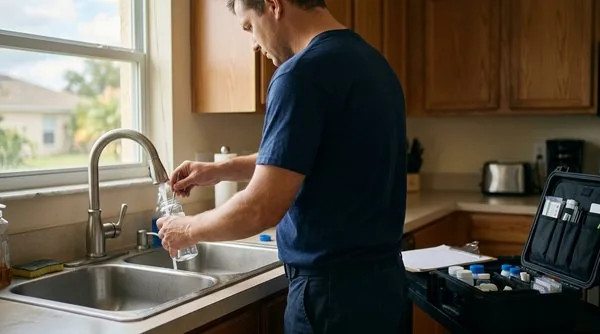
A trained assessor doesn't just glance at the closet and move on. The process typically starts with scanning nearby walls and flooring for hidden moisture. Technicians also inspect the condensate line and drain pan. Finally, they collect air samples from multiple points throughout the home. Many homeowners who go through this process say the real value is in the explanation that follows. Technicians walk through exactly what was tested and what the results mean, so there's no confusion left once the report arrives.
That clarity matters. A lab result full of jargon doesn't help anyone make a decision. A clear conversation about what's actually happening inside your air system does.
Protecting Your Home Year Round
Mold doesn't wait for a convenient season, and neither should an inspection. If your air handler closet hasn't been checked recently, it's worth a look. The same goes for cooling performance that has quietly declined. Addressing it early keeps small moisture issues from becoming structural problems. The team at J&S Air Quality Experts works throughout Palm Bay and the surrounding communities handling exactly this kind of hidden moisture assessment.
Frequently Asked Questions
Does a tightly sealed, energy-efficient home increase mold risk?
Yes. Sealed, energy-efficient homes trap moisture and airborne contaminants more easily than older, draftier construction. This can push indoor humidity high enough for mold to develop undetected.
How often should an AC closet be checked for moisture?
There's no single rule for every home. But musty odor, visible staining, or inconsistent cooling are all warning signs. Any of these is reason enough to schedule an inspection right away.
Can mold spread through the ductwork without visible mold in the home?
Yes. Once spores enter the air handler or ducts, they spread quickly. Each cooling cycle can carry them into living spaces. This can happen long before any visible growth appears on walls or ceilings.
Is professional testing necessary if there's no visible mold yet?
Professional testing is most valuable before visible signs appear. Air sampling and moisture detection can catch elevated spore levels or hidden dampness long before a problem becomes obvious.
Can my AC system contribute to mold growth even if it is working properly?
Yes, your AC system can contribute to mold growth even when it appears to be working normally. Moisture from condensation can collect in drain pans, air handler closets, and ductwork. If that moisture does not drain properly, mold can develop over time. Regular inspections can help identify moisture problems before they spread.
A musty smell or unexplained allergy symptoms can be unsettling. If you're wondering what's happening inside your air system, reach out. Schedule an assessment with J&S Air Quality Experts.